









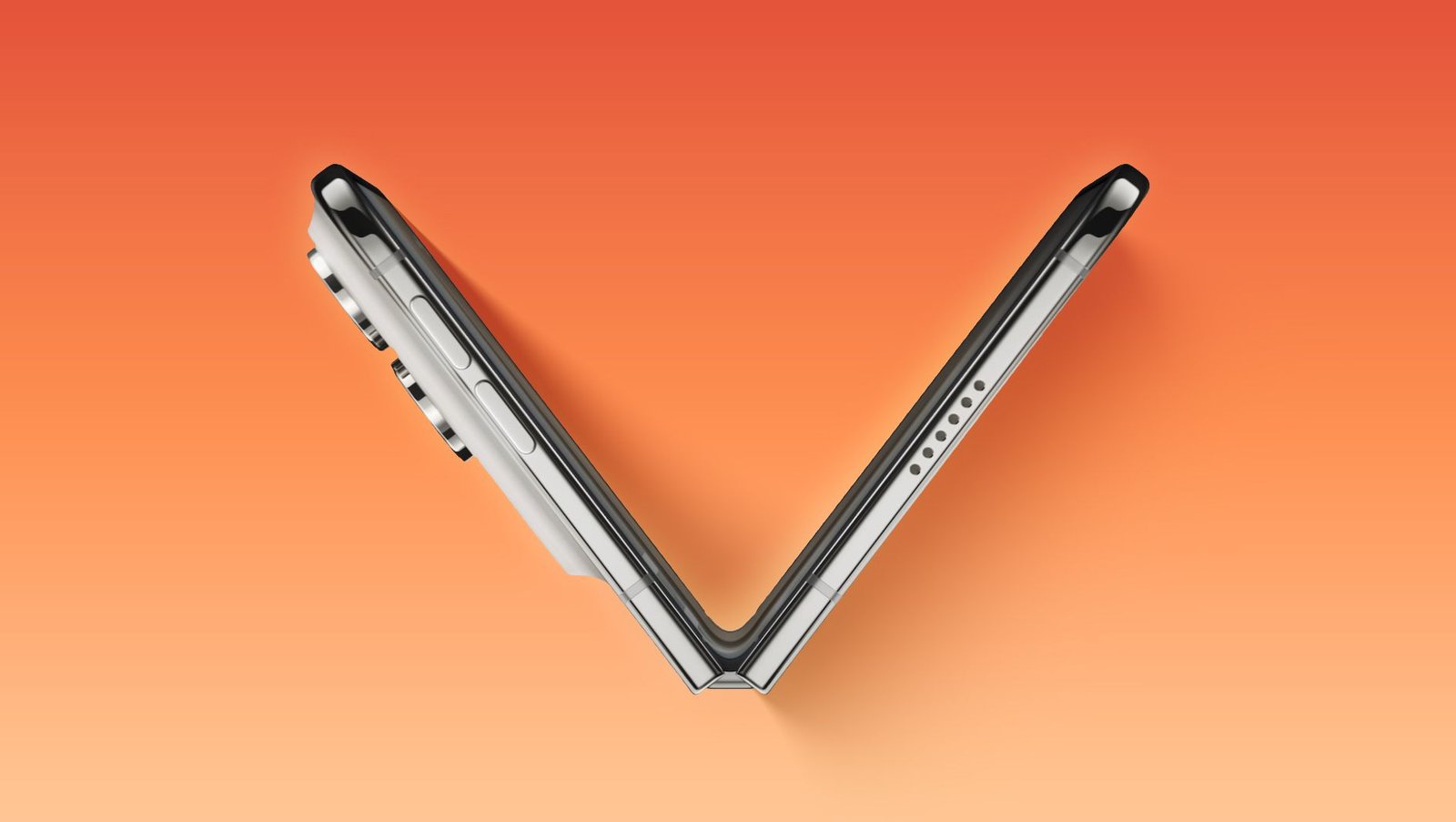
Understanding the Thermal Dynamics of the iPhone Duo
The release of the iPhone Duo has sparked a significant technical debate regarding its thermal management. As Apple’s first foray into the foldable smartphone market, the device presents a unique engineering challenge: maintaining the high performance of the A20 Pro chip while navigating the physical constraints of a hinged design. Initial reviews from across the industry reveal a divide in user experience, with some reporting noticeable heat buildup during intensive tasks, while others suggest the thermal regulation system functions within acceptable parameters.
At the core of the discussion is the device’s cooling architecture. The iPhone Duo utilizes a custom vapor chamber setup inherited from the iPhone 18 Pro series. However, to accommodate the foldable form factor, the chamber is notably thinner. To compensate for this reduction in volume, Apple integrated a flexible graphite pipe housed within the hinge. This component serves as a thermal bridge, intended to transfer heat between the two halves of the device, thereby increasing the total surface area available for heat dissipation. While technically innovative, the real-world application of this design appears to produce varying results depending on the specific workload.
Performance Under Pressure
Stress testing has become a primary metric for evaluating how the iPhone Duo handles sustained loads. Independent benchmarks and long-duration testing have highlighted a correlation between heat and throttling. In controlled environments, such as 30-minute gaming sessions, the iPhone Duo reached temperatures of 46.5°C, significantly higher than the 43.2°C to 43.8°C ranges observed in the standard iPhone 18 Pro models. This thermal increase appears to correspond with a drop in frame rates and a reduction in display brightness, with the device lowering output to approximately 185 nits to mitigate further temperature spikes.
These results suggest that when the A20 Pro chip is pushed to its limits—particularly during sustained 3D rendering or high-resolution video processing—the thermal envelope of the foldable design is more easily compromised than that of its rigid counterparts. The data indicates that users engaged in heavy photo editing or high-fidelity gaming may encounter performance stability issues as the system prioritizes temperature control over maximum throughput.
Thermal Distribution and User Interaction
One of the defining aspects of the iPhone Duo’s design is how it manages the distribution of heat across its surface. Unlike traditional smartphones, where heat is typically concentrated near the camera module or the logic board, the iPhone Duo attempts to spread thermal energy across the larger footprint of the folded or unfolded device.
Testing indicates that the graphite pipe system is effective at moving heat away from the silicon; however, this results in the outer casing reaching temperatures that are perceptible to the user. Reviewers noted that during activities like FaceTime calls or extended camera usage, the chassis becomes warm to the touch. Apple has maintained that this is a deliberate function of the design, intended to move heat away from the internal processing components to preserve performance. Nevertheless, the physical sensation of a device becoming hot during standard operations has led to varying interpretations of the product’s reliability.
The Impact of Multitasking and Software Load
The “Duo Preview” feature, which utilizes both displays simultaneously, serves as a significant stressor for the system. Reports indicate that when both screens are active, the device generates more heat than when in a single-screen configuration. This is likely due to the increased demand on the GPU and the logic board to drive dual interfaces.
Third-party software also plays a role in the thermal outcomes. Applications that are not fully optimized for the A20 Pro or those that trigger continuous background processing, such as certain video streaming or heavy third-party camera apps, have been observed to cause more frequent heating events. While benchmarks show that the iPhone Duo is capable of maintaining decent stability scores in stress tests—landing between the iPhone 18 Pro Max and competing foldable devices—the margin for error in thermal management is smaller due to the complex physical architecture of the hinge.
Looking Ahead to Daily Usage Patterns
As the iPhone Duo reaches the broader consumer market, the focus will shift from synthetic benchmarks to real-world usage. It is common for high-performance mobile devices to exhibit thermal management signatures during the initial setup phase or when heavy data syncing occurs. The critical question remains whether the heat observed during initial testing is a persistent issue or a characteristic that will be balanced by future software updates designed to optimize power consumption and heat distribution.
The engineering trade-offs made to achieve the foldable form factor—a thinner vapor chamber and the reliance on a graphite pipe—are clear attempts to prioritize portability without sacrificing too much performance. Whether this cooling strategy is viewed as a successful trade-off or a limitation will depend heavily on the individual user’s habits. For most, the device will likely function within expected parameters; however, for power users who demand maximum performance for long durations, the thermal ceiling of the iPhone Duo will be a defining factor in their experience. Future firmware refinements will likely play a crucial role in how the system manages these thermal spikes, potentially narrowing the performance gap currently observed between the Duo and the Pro series.
Disclaimer: This content is auto-generated for informational purposes only.
Source: Read Original News