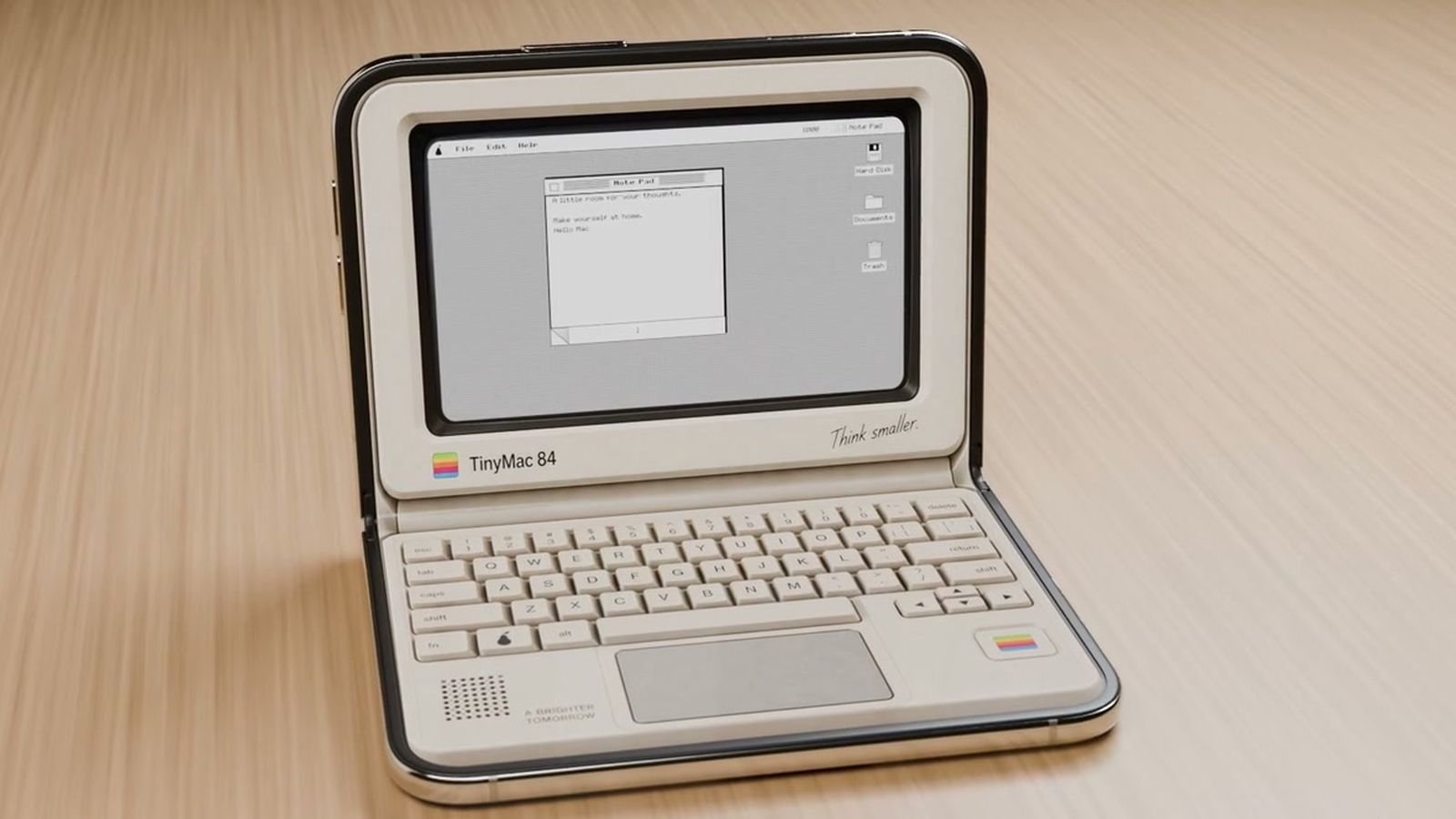










The Architectural Promise of the iPhone Duo
The introduction of the iPhone Duo represents a significant pivot in Apple’s hardware strategy, marking the company’s formal entry into the foldable smartphone market. Designed to offer a tablet-like expansive display that collapses into a pocket-sized form factor, the device utilizes an innovative hinge mechanism and flexible OLED screen technology. The promise is a seamless transition between a compact phone and a high-resolution workspace, aimed at power users who demand more screen real estate for multitasking, content consumption, and creative workflows.
However, the transition to foldable displays introduces complex engineering challenges. Unlike traditional rigid glass displays, flexible screens must endure thousands of mechanical cycles—opening and closing—without sustaining structural fatigue. The iPhone Duo features a sophisticated hinge architecture intended to distribute stress evenly, yet the physical constraints of folding a display layer over a localized point remain a major obstacle in display manufacturing.
Technical Concerns Beyond Surface Aesthetics
Initial reception of the iPhone Duo has been characterized by a divide between the hardware’s potential and its current operational shortcomings. Technical reviews highlighted several areas where the device falls short of industry benchmarks. The FaceTime camera output has drawn criticism for lack of clarity and poor dynamic range, suggesting that software processing algorithms have yet to be fully calibrated for the unique optics of the foldable module.
Furthermore, software compatibility remains a primary hurdle. Many developers have not yet updated their applications to adapt to the variable aspect ratio of the inner screen, leading to scaling artifacts and inefficient use of the larger display space. Perhaps most concerning during early testing was the gradual degradation of the screen at the hinge. Observers noted that the crease—a common characteristic of foldable screens—appears to become more pronounced with prolonged use, indicating potential issues with the structural integrity of the display’s substrate or the protective polymer layers applied over the panel.
The Emergence of Catastrophic Hinge Failures
While software and visual performance are typical concerns for a first-generation product, reports surfacing shortly after the official launch indicate a far more severe structural defect. Numerous users have documented incidents where the inner display suffers a full-length fracture along the vertical axis of the hinge. These reports are not isolated to a single geographic region, with documented cases originating from the United States, Australia, and China, suggesting a potentially widespread manufacturing or design inconsistency.
These fractures are described as vertical splits that span the entire height of the hinge. The severity of the damage extends beyond the display surface; the physical break often severs the conductive pathways for the screen’s pixel grid. This results in a persistent, bright white vertical line appearing on the right-hand side of the inner panel. For some users, this failure occurred after minimal usage, with reports citing that the display cracked after fewer than twenty folding cycles within the first six hours of ownership.
Manufacturing and Supply Chain Implications
The appearance of these defects points to a significant failure in the durability testing phases of the product’s development. Whether the issue stems from an incorrect calibration of the hinge’s tension, the chemical composition of the flexible screen’s protective layer, or a flaw in the assembly process remains subject to investigation. As the incidents gained visibility, Apple began efforts to recover the affected units.
Technically, collecting these devices is essential for root-cause analysis. By examining the specific stress points and the fracture patterns of the damaged displays, engineers can identify whether the failure is caused by a weakness in the hinge’s mechanical housing or an issue with the display’s tolerance to bending radius limits. Moving forward, such data will be critical for Apple to refine the manufacturing process and potentially implement a silent revision to the device’s hardware, often referred to as a “stepping update,” to resolve these structural vulnerabilities in future production batches.
Customer Support and Consumer Expectations
The current reality for early adopters is an exercise in navigating post-purchase technical support. Experiences with Apple’s support channels have been varied. Some users report that initial remote support attempts involve standard protocols—such as holding the full cost of a replacement device—which can be a significant barrier for consumers who have just invested heavily in a new flagship. However, in-store resolutions have proven more efficient, with retailers frequently replacing defective units on the spot, indicating that Apple has proactively allocated stock for immediate replacement scenarios.
For the broader technology community, the launch of the iPhone Duo serves as a reminder of the inherent risks associated with first-generation hardware. While early adopters act as a crucial testing ground for new form factors, the occurrences of physical screen failures represent a departure from the high reliability traditionally expected of premium devices. As Apple works to address these defects, the focus for the company will be on maintaining consumer trust through transparent communication and rapid service to ensure that the promise of the foldable era is not obscured by the technical growing pains of its inception.
Disclaimer: This content is auto-generated for informational purposes only.
Source: Read Original News