








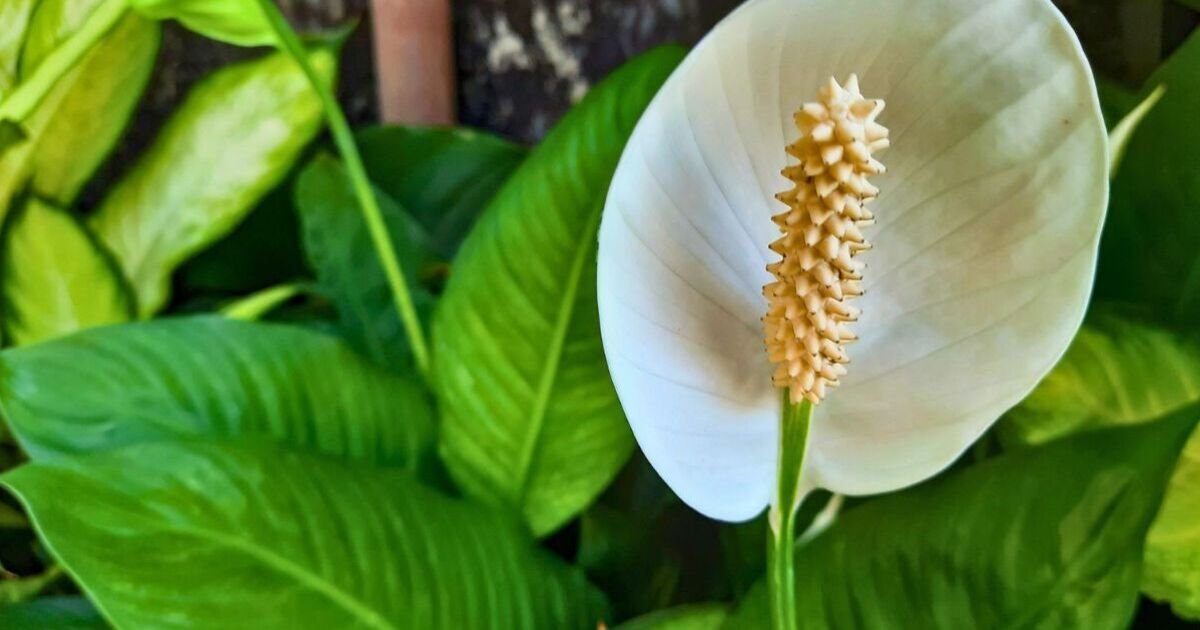
If you have ever stared at your peace lily and wondered why its lush, dark greenery is being invaded by unsightly yellow leaves, you are not alone. These plants are frequent inhabitants of living rooms and offices, beloved for their white, sail-like blooms and ability to brighten up any corner. Yet, they possess a reputation for being quite particular. When they are happy, they thrive; when they are frustrated, they certainly let you know about it.
Understanding the language of your houseplant is a skill every indoor gardener should possess. While a single yellow leaf now and then is often just a sign that your plant is maturing, a sudden change involving multiple leaves usually suggests something else is going on. Before you start worrying that your plant is beyond help, take a breath. Most of the time, the fix is simple, quick, and will restore your peace lily to its former glory.
The Primary Culprit: Overwatering
It might seem counterintuitive. Peace lilies are tropical plants that hail from humid environments, so it is natural to assume they crave constant moisture. However, there is a distinct difference between a humid environment and a waterlogged root system. When the soil remains consistently damp, the roots have no room to breathe.
In nature, soil contains small pockets of air that allow roots to absorb oxygen. When you overwater, those air pockets fill with liquid, effectively suffocating the plant. Without oxygen, the roots cannot function, and the plant begins to sacrifice its lower leaves to conserve energy. If you notice several lower leaves turning yellow simultaneously and the soil feels like a heavy sponge, you are likely dealing with the results of a heavy hand with the watering can.
A Simple Five-Minute Rescue Mission
If your plant is showing signs of distress, you can perform a quick maintenance session that takes less than five minutes. First, address the existing damage. Once a leaf turns yellow, it will not return to its original deep green color. Keeping these leaves on the plant serves no purpose and actually forces the plant to waste energy trying to repair tissues that cannot be fixed.
Take a clean pair of shears or scissors. Follow the stem of the yellow leaf down toward the base, or crown, of the plant. Snip the stem as low as you can comfortably reach without damaging the rest of the plant. Resist the urge to tug or pull on the leaves, as this can tear the delicate crown tissue or accidentally snap nearby healthy stems. Snipping them cleanly gives your plant an immediate, refreshed appearance and allows it to focus its resources on producing new growth.
Adjusting Your Watering Habits
Once you have tidied up the plant, the next step is to change your routine. A good rule of thumb for peace lilies is to wait until the top fifty percent of the soil has dried out completely before reaching for the water again. If you are unsure, stick your finger an inch or two into the soil; if it still feels cool or damp, put the watering can down and wait a few more days.
When it is finally time to water, make sure you do it thoroughly. Pour water over the soil until it begins to flow out of the drainage holes at the bottom of the pot. Crucially, always discard any excess water that collects in the saucer or decorative cachepot. Sitting in a pool of standing water is the quickest way to encourage root rot, which is much harder to fix than simple yellowing.
Watching for Serious Trouble
While most yellowing issues can be solved by cutting back on water, stay alert for signs of more significant damage. If you notice a sour, swampy smell coming from the soil, or if the plant remains perpetually droopy despite being in wet soil, you may be facing root rot.
In these cases, the best course of action is to unpot the plant gently to inspect the roots. Healthy roots are generally firm and light in color, while roots damaged by rot will appear mushy, dark, or stringy. By catching these issues early and adjusting your habits, you can keep your peace lily healthy, upright, and blooming for years to come. With just a little bit of observation, you will find that these plants are far more manageable than their moody reputation suggests.
Disclaimer: This content is auto-generated for informational purposes only.
Source: Read Original News