







CAPETOWN — The ghosts of the 2018 Newlands Test continue to haunt the annals of cricket history, but a new revelation from former South African captain Faf du Plessis has shed light on the camaraderie that existed behind the scenes during one of the sport’s darkest chapters. In a candid reflection on the “Sandpapergate” scandal, du Plessis revealed that he reached out to Australian skipper Steve Smith in real-time, offering support to a man he believed was unfairly bearing the brunt of a systemic catastrophe.
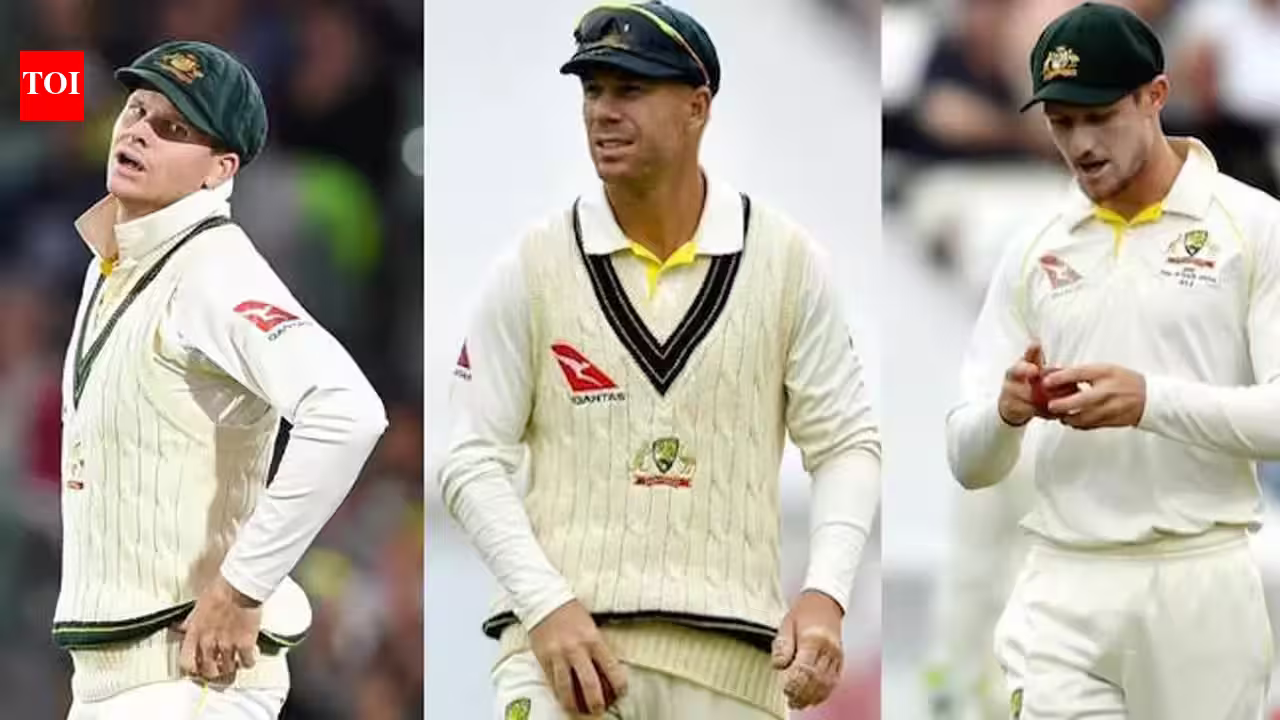
The scandal, which saw Cameron Bancroft caught on camera using sandpaper to alter the condition of the ball, eventually led to year-long suspensions for both Smith and his deputy, David Warner. However, du Plessis’ recollection suggests that the immediate aftermath was defined by confusion and empathy from his opponents rather than the vitriol often associated with international rivalries.
‘We’re behind you’: Faf’s message to Smith
Speaking on the Cricketers on Cricketers podcast for ESPNcricinfo, du Plessis recalled the surreal atmosphere in the stadium as the news broke. As Smith faced the media to take personal accountability for the conduct of his team, du Plessis and his teammates were left baffled by the Australian leader’s insistence on shouldering the entirety of the blame.
“Steve came out at the end of the day saying, ‘I take responsibility,'” du Plessis recalled. “And we were like: ‘Why are you taking responsibility? You did nothing wrong.'”
Du Plessis, who had faced his own high-profile ball-tampering controversy just two years prior, recognized the familiar weight of a media firestorm closing in. He empathized with the psychological toll such scrutiny exerts on a captain and decided to send a direct message of solidarity to his rival.
“Straight away, I was like: this is not his doing. This is the same thing [as my own experience],” du Plessis explained. “I remember sending a message saying, ‘Listen, I’m so sorry you are going through this. Just be strong. It’s going to be a hell for a week or so and then it will probably blow over.’ Never knowing that it was going to be a year for him to go through.”
At the time, the full scale of the impending bans—handed down by Cricket Australia—was not yet apparent to the players on the field. Du Plessis’ message was one of human support, a gesture of solidarity between two leaders who understood that the machinery of the cricket press could turn a sporting indiscretion into a career-defining moral crisis.
The ‘Mintgate’ precedent: When Smith stood tall
The bond between the two men was forged long before the sandpapers were pulled out in Cape Town. Du Plessis pointed to the 2016 Hobart Test—dubbed “Mintgate” by the media—as the moment he gained permanent respect for the Australian star.
During that series, du Plessis was accused of using saliva contaminated with the residue of a mint to shine the ball. What began as a minor dressing room discussion quickly ballooned into an international scandal, with critics globally branding the South African captain a cheat. As the media pressure mounted, it was the opposing captain, Steve Smith, who unexpectedly came to his defense.
“He was asked: ‘What are your thoughts on Faf du Plessis and Mintgate?’ and [people expected him to say] it’s terrible, he’s cheating,” du Plessis recounted. “And he’s like, ‘No, he’s not. He’s just shining the ball. I’ve been on many teams where we shine the ball, we use different sweets.'”
For the South African camp, witnessing a fierce rival refuse to join a media-led dogpile was a transformative moment. “We were listening to it on the TV and literally everyone in our group was like, ‘Wow, he doesn’t have to do that,'” du Plessis noted. “That was a choice where he went: I’m going to choose probably the human, the right thing, versus the pressure thing. That was amazing for me to see.”
Reflecting on the nature of professional rivalry
Du Plessis’ comments serve as a poignant reminder that beneath the competitive armor of Test cricket, there exists a fraternity of players who understand the precarious nature of the spotlight. By refusing to capitalize on du Plessis’ misfortune in 2016, Smith demonstrated a brand of integrity that, according to the former Proteas skipper, earned the Australian lasting respect within the South African dressing room.
When the roles were reversed in 2018, du Plessis felt compelled to return that favor. While the international community and Cricket Australia eventually meted out historic punishments, the discourse between these two captains highlights the difference between the public narrative of “cheating” and the nuanced, often empathetic perspective of those actually playing the game.
As the sport moves further away from the events of 2018, these reflections add a necessary layer of humanity to the story. They illustrate that while the game demands absolute adherence to the laws, the pressure of leadership often creates bonds between opponents that transcend the scorecard, proving that even in the heat of a scandal, there is room for mutual respect and quiet acts of kindness.
Disclaimer: This content is auto-generated for informational purposes only.
Source: Read Original News