








Six major nature recovery projects have been unveiled across Oxfordshire, marking a significant step in the implementation of the county’s Local Nature Recovery Strategy (LNRS). These initiatives form the cornerstone of a broader, long-term environmental vision aimed at restoring biodiversity, enhancing resilience against climate change, and improving the health of the local landscape.
The Oxfordshire Local Nature Partnership (OLNP) is leading the development of these schemes, which are part of a wider portfolio of 15 planned projects across the county. The six selected for immediate development have been carefully assessed for their potential to deliver large-scale environmental improvements that align with the strategic goals published by Oxfordshire County Council in November 2025.
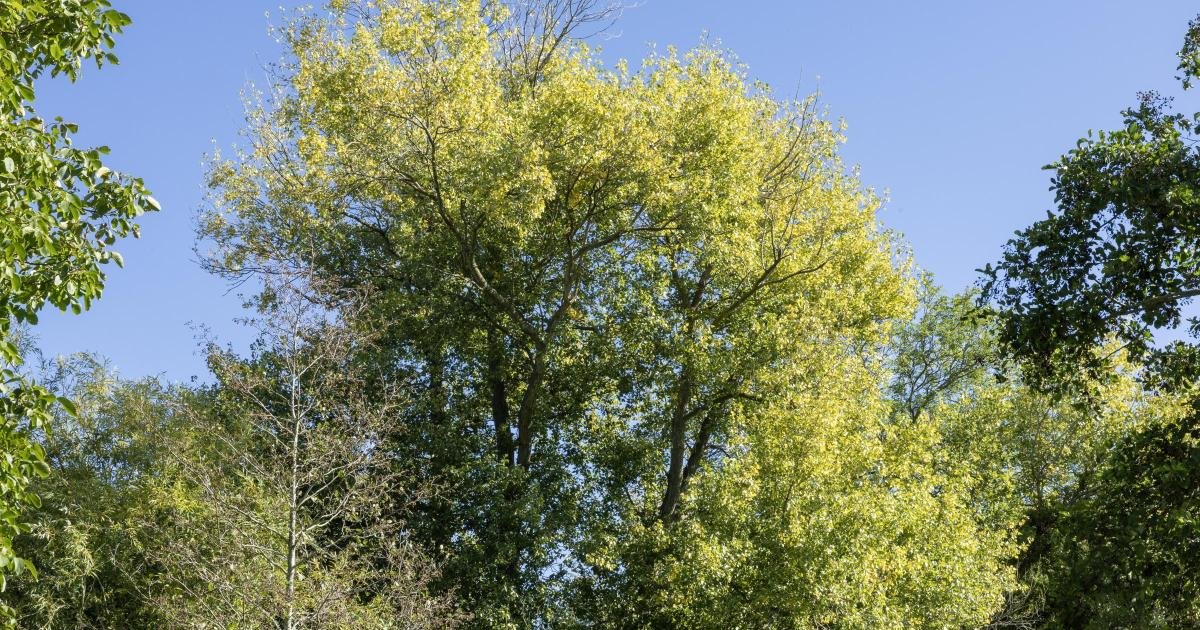
Among the key initiatives is an ambitious project to reintroduce the black poplar—Britain’s rarest native tree—to the county’s floodplains. Other high-profile efforts include the restoration of vital chalk grassland in the Cotswolds and the “Evenlode landscape recovery project.” The latter focuses on a multi-faceted approach to land management, seeking to restore natural habitats, improve soil health, and revitalize waterways while maintaining agricultural productivity.
Additional projects include the Thames Valley wildflower meadow restoration in Eynsham, which aims to bring back essential grassland habitats, and the Ock and Thame landscape recovery scheme, designed to provide tangible benefits for local farming communities, public recreation, and wildlife. Furthermore, a dedicated scheme is set to reconnect the Bernwood, Otmoor, and Ray areas, aiming to bridge habitat fragmentation and create continuous corridors for migrating and local species.
Councillor Laura Gordon, Oxfordshire County Council’s cabinet member for environment and economy, emphasized that these projects are designed to endure beyond standard funding cycles.
“The selected projects are built to last, with trusted partnerships, and plans to sustain their impacts well beyond any single funding cycle,” said Councillor Gordon. “Together, the projects span a significant area of Oxfordshire and represent a shared vision for nature recovery across the county. Publishing these projects is just the first step. We will continue working with and through the OLNP to help these projects unlock the specific delivery funding and investments that they need.”
The environmental benefits of these schemes extend beyond the preservation of flora and fauna. According to a council spokesperson, the initiatives are expected to foster cleaner water, strengthen natural flood defences, and improve public access to nature, all of which contribute to better health, wellbeing, and economic resilience for Oxfordshire residents.
As the projects move from planning to delivery, the financial strategy will be diverse. Organizers intend to utilize a mixture of grants, philanthropic support, and public funding, such as woodland creation and agri-environment payments. There is also an expectation that these projects will tap into emerging nature markets, where investment is increasingly driven by the value of ecosystem services such as carbon sequestration and biodiversity net gain.
The OLNP is currently coordinating efforts to promote this portfolio to potential collaborators and funders. Members of the public are encouraged to visit the OLNP website to learn more about the initiatives and explore opportunities to support the ongoing recovery of Oxfordshire’s natural heritage.
Disclaimer: This content is auto-generated for informational purposes only.
Source: Read Original News