







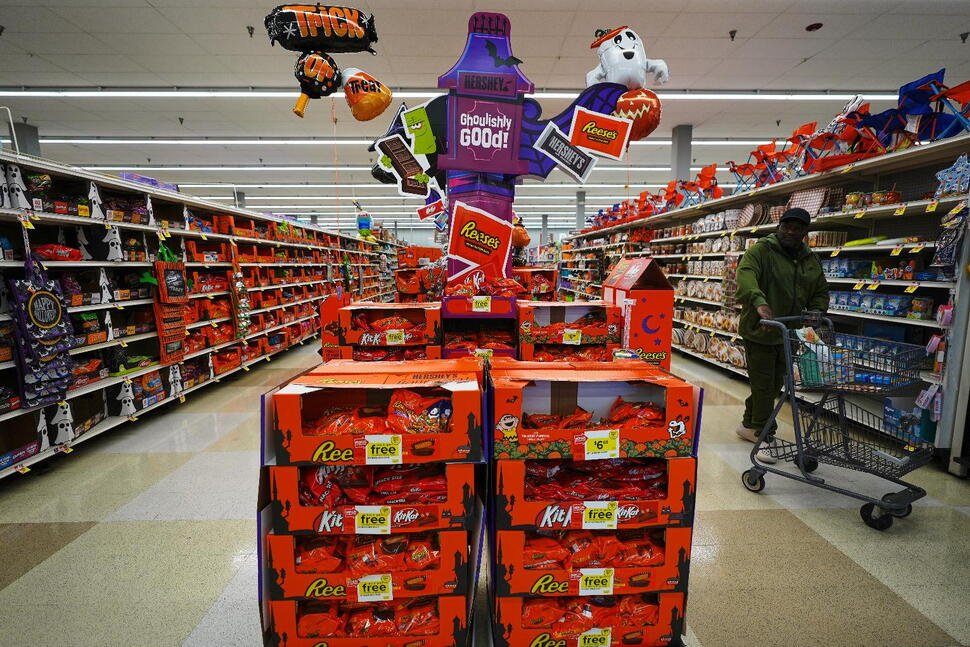
Halloween candy sales are experiencing a stark decline this season, serving as a bellwether for the broader economic strain currently facing U.S. households. As consumers grapple with the compounding effects of record-high chocolate prices and the relentless cost-of-living crisis, the traditional ritual of stocking up for trick-or-treaters has been significantly disrupted.
## The Economic Squeeze on Holiday Traditions
Recent data from NielsenIQ reveals that Halloween candy sales plummeted by 6.7% in the month leading up to October 17 compared to the previous year. This slump follows a steeper 11.7% decline in mid-September, a period that typically marks the start of the “candy season.” Market analysts point to the crushing combination of high fuel costs—with gas prices hovering around $4.29 per gallon—and persistent inflation in housing and food as the primary drivers behind the pullback.
“It’s not necessarily that shoppers don’t notice the price hikes; it’s that they simply lack the disposable income after paying for essentials,” said Chris Costagli, a vice president and food industry analyst at NielsenIQ. This shift in spending power has resulted in a marked preference for smaller candy bags, while larger, value-oriented “bulk” packs—typically a staple of the holiday—have seen the most significant drops in volume.
## Cocoa Volatility and the “Inflation Gap”
The crisis in the candy aisle is being exacerbated by a fragile global supply chain. Cocoa prices reached an unprecedented $10,710 per metric ton earlier in 2026, fueled by poor crop yields in West Africa and volatility in speculative futures markets. While prices saw a brief dip, they have since climbed again due to regional geopolitical conflicts that have throttled fertilizer exports. Additionally, the El Niño weather pattern continues to threaten production, creating a long-term pricing hurdle for confectioners.
This volatility has left consumers staring at “shrinkflation” and price hikes that far outpace the general rate of inflation. Government data shows that candy and gum prices have surged 44% over the last five years, nearly doubling the rate of increase for typical at-home food staples. For context, shoppers today are finding that a $20 budget at discount retailers like Aldi yields significantly fewer pieces of chocolate than it would have just half a decade ago.
## Tech-Driven Shopping Habits and Future Outlook
As traditional retail faces these headwinds, the way consumers approach holiday shopping is undergoing a digital transformation. Market research from firms like Circana suggests that shoppers are becoming increasingly “intentional” about their spending, utilizing data-driven shopping apps and price-comparison tools to find the best deals. Analysts are observing a shift toward “just-in-time” shopping, where consumers monitor grocery price fluctuations via mobile apps and defer purchases until the very last moment to avoid overspending.
Despite the gloomy sales figures, not all industry voices are pessimistic. The National Confectioners Association continues to emphasize that peak demand is still ahead, maintaining that consumer enthusiasm remains high despite the budget-conscious climate.
While the industry monitors these trends, the retail landscape remains in flux. Whether the current softness in candy sales is a temporary response to immediate inflationary pressures or a permanent shift in how American families budget for seasonal celebrations remains to be seen. For now, the “candy index” serves as a poignant reminder of how macro-economic factors are forcing households to rethink even the smallest discretionary expenses. As the final days of October approach, the retail sector is watching closely to see if digital shopping convenience or last-minute, tech-aided deal hunting can salvage the remainder of the season.
Disclaimer: This content is auto-generated for informational purposes only.
Source: Read Original News