








Air Quality Crisis: Mumbai Struggles With ‘Very Poor’ Air While Delhi Sees Rare Improvement
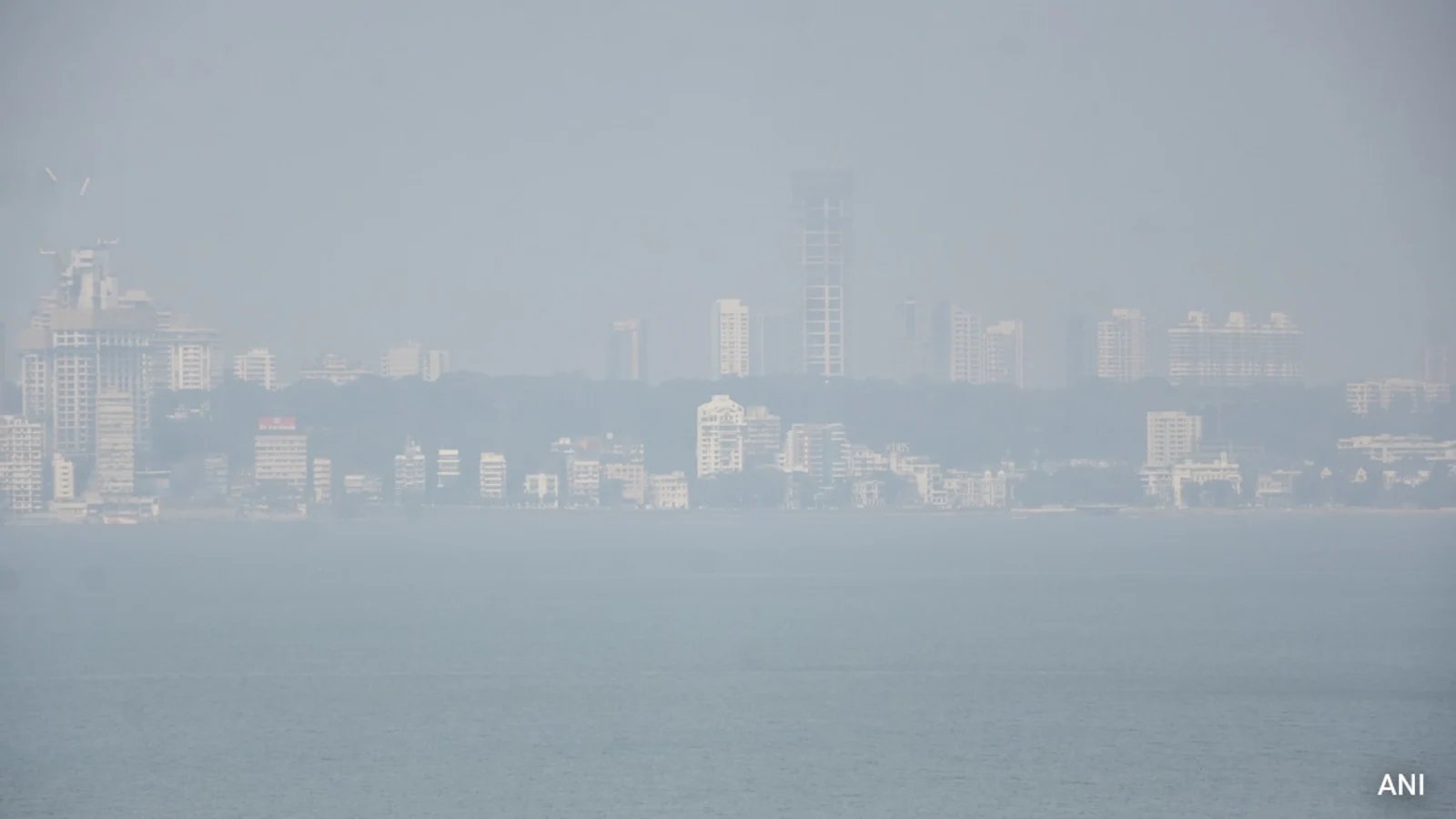
Mumbai’s air quality has plummeted into the “very poor” category, with the city’s Air Quality Index (AQI) spiking to 322 on Saturday. As a thick, grey haze descended over the financial capital, residents reported widespread health issues, marking a concerning shift for a coastal city that typically enjoys better air dispersion than its northern counterparts.
A Perfect Storm of Pollution
The sudden degradation of Mumbai’s air is being attributed to a confluence of hazardous factors. Environmental monitoring reports highlight that stagnant wind speeds, which are failing to disperse pollutants, have trapped local emissions at ground level. This, combined with high volumes of construction dust, unregulated garbage burning, and the lingering particulate matter from regional crop fires and recent firecracker activity, has created a toxic environment for the city’s inhabitants.
The impact has been swift. Medical professionals in the city have reported a sharp increase in patients presenting with persistent headaches, throat irritation, and burning eyes. Health experts are now urging the elderly, children, and those with pre-existing respiratory conditions to minimize outdoor activity until the air clears.
In response to the deteriorating public health situation, the Bombay High Court has declared an emergency. The judiciary has directed state and local authorities to move beyond passive observation and enforce strict measures against all sources of pollution, emphasizing the need for immediate accountability.
Delhi’s Unexpected Relief
While Mumbai grapples with its worst air quality in recent memory, the national capital is experiencing an unusual period of respite. Delhi recorded an AQI of 176 on October 24, its cleanest reading for this specific date in a decade.
This improvement is a stark departure from the seasonal smog that historically plagues Delhi during the transition into winter. Government officials attribute this success to a “war-mode” response strategy. Proactive measures, including the extensive use of mechanized road sweepers, rigorous removal of construction debris, and consistent water sprinkling on major arterial roads, have successfully kept dust levels under control. By identifying pollution hotspots through real-time data, authorities have been able to deploy resources more efficiently.
The Road Ahead
Despite the current progress in Delhi, environmental scientists remain cautious. The onset of winter and the impending rise in farm stubble burning in neighboring states could quickly reverse these gains.
For Mumbai, the current crisis serves as a wake-up call. Activists are demanding a fundamental shift in how the city manages its environmental footprint, calling for year-round monitoring of construction sites and better inter-agency coordination to manage regional emission sources.
As public pressure mounts, the contrasting situations in India’s two largest cities underscore a vital lesson: short-term interventions can yield results, but sustainable air quality requires consistent enforcement of environmental norms and a proactive approach to urban management rather than reactive emergency measures. Both cities now remain under the spotlight as residents demand cleaner air as a non-negotiable fundamental right.
Disclaimer: This content is auto-generated for informational purposes only.
Source: Read Original News