








The modern resurgence of vintage aesthetics in interior design has transformed the act of thrifting from a budget-conscious necessity into a sophisticated treasure hunt. While mainstream interest has long been dominated by the robust, mid-century durability of Pyrex and CorningWare, collectors are increasingly turning their attention toward traditional English ceramics. Among these, Spode—a brand with a 250-year history—stands out as a sophisticated alternative for those seeking both decorative flair and historical substance.
A Legacy of Ceramic Engineering
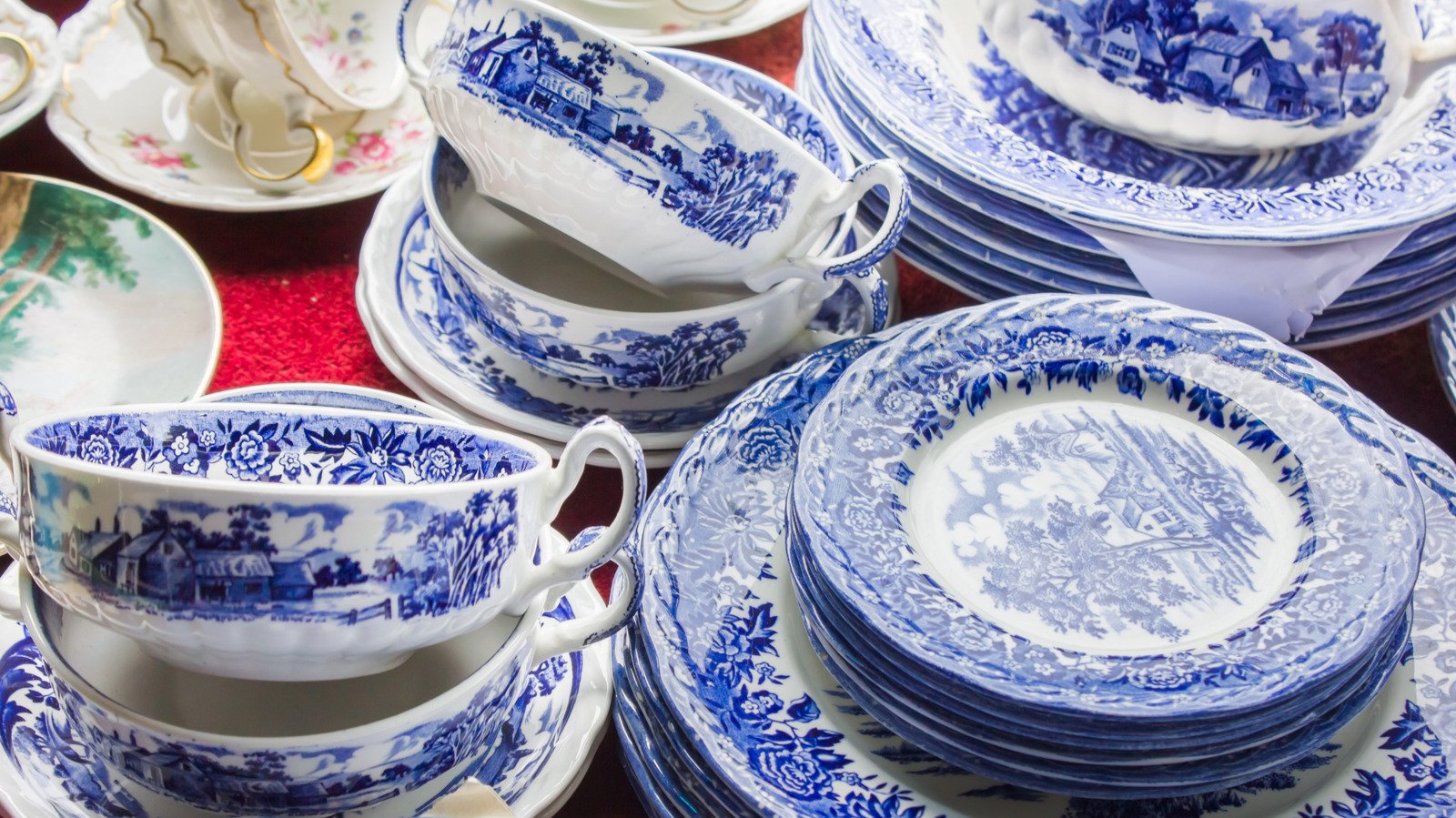
Established in 1770 in Stoke-on-Trent, England, Josiah Spode’s company fundamentally altered the trajectory of ceramic manufacturing. The brand is credited with perfecting the technique of underglaze transfer printing, which allowed for the mass production of intricate, highly detailed patterns on tableware. This historical innovation is why Spode products, even those produced over a century ago, maintain a crispness of design that is rarely seen in modern, lower-end reproductions.
For the modern collector, the brand represents a bridge between utility and art. Its famous Blue Italian pattern, introduced in 1816, remains a global icon in ceramic history. Because the manufacturing process remained consistent for decades, identifying authentic pieces is facilitated by the clear, impressed, or printed backstamps found on the underside of plates, bowls, and holloware. Understanding these marks is the first technical step for anyone navigating the shelves of a thrift store to distinguish high-quality English earthenware from mass-produced modern imitations.
Diversifying the Thrifting Strategy
The current market focus on Pyrex glassware often results in an oversaturated search environment where the most desirable pieces are either missing or overpriced. Integrating Spode into a thrifting strategy allows collectors to pivot toward high-quality earthenware that offers different aesthetic utility. While Pyrex provides clear, heat-resistant utility, Spode offers a formal elegance suitable for display and dining.
Key items to prioritize include the seasonal Christmas Tree collection, which has been in production since 1938. These pieces hold significant secondary market value and serve as functional holiday decor. Beyond standard dinnerware, the brand’s output includes specialized pieces such as sauce boats, tiered cake stands, and decorative cookie jars. These secondary items often remain overlooked by casual shoppers who focus exclusively on complete sets, providing the savvy thrift-seeker with an opportunity to secure high-value inventory at a significant discount.
Assessing Authenticity and Quality Control
When acquiring ceramic goods from secondary markets, the identification process requires a dual approach: verifying the age and confirming the material integrity. Authentic Spode pieces usually feature a distinct backstamp that correlates to the specific period of production. If a piece lacks a clear mark or appears to have blurred transfers, it may be a later reproduction or an imitation from a different manufacturer.
Beyond brand identification, collectors must address the technical reality of vintage ceramics. Older glazing techniques, particularly those used in the 19th and early 20th centuries, occasionally utilized materials that do not meet contemporary safety standards. Before utilizing antique tableware for food service, it is standard practice to employ a certified lead-testing kit. These kits are non-invasive and provide an objective assessment of the chemical safety of the glaze. This precautionary measure is essential when transitioning items from a display-only status to functional kitchen use.
The Intersection of Utility and Display
The growing trend of the “stocked china cabinet” aesthetic has prioritized the visual impact of kitchenware. Unlike modern, minimalist tableware, Spode pieces bring a complex visual texture to the home. The intricate botanical, woodland, and pastoral designs serve as focal points in a room, turning everyday objects into architectural elements of the living space.
From a functional standpoint, the durability of Spode’s ironstone and earthenware, combined with the timeless nature of their patterns, makes these items excellent long-term investments. Unlike modern consumer goods that may degrade in quality over a few years, these items were engineered to withstand decades of use. Their versatility—functioning equally well as a storage solution for baked goods or as a service vessel for holidays—makes them highly practical additions to any kitchen inventory.
Market Impact and Future Outlook
The shift toward vintage branding is not merely a passing interest; it is an economic move toward sustainability and material quality. As supply chains for new consumer goods face price fluctuations, the “pre-loved” market for durable, established brands like Spode continues to expand. The secondary market for these ceramics is bolstered by digital platforms where collectors share identification techniques and historical data, further cementing the brand’s relevance.
Thrifting for Spode allows individuals to curate a collection that is both economically accessible and historically rich. By moving beyond the most common brand names and researching the craftsmanship of historical English manufacturers, shoppers can find items that provide both beauty and longevity. Whether the goal is to flip items for profit or to build a functional, beautiful home environment, prioritizing well-made, heritage-brand ceramics ensures a higher return on investment than purchasing disposable, modern alternatives.
Disclaimer: This content is auto-generated for informational purposes only.
Source: Read Original News