






The concept of a child’s “potential” has long been a source of anxiety for parents and educators. Frequently framed as an innate capacity waiting to be unlocked, potential is often misunderstood as a fixed genetic inheritance. However, recent research in neuroscience suggests that a child’s true potential is far more dynamic—a product of the constant, complex interplay between genetics and the environment.
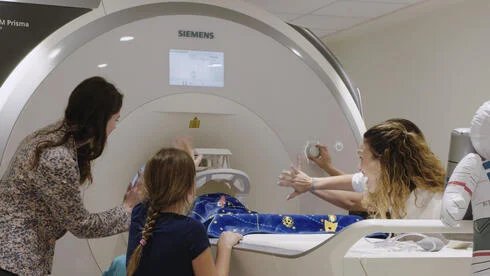
Associate Professor Tzipi Horowitz-Kraus, head of the Educational NeuroImaging Group at the Technion – Israel Institute of Technology, has spent years examining this interaction. Her research focuses specifically on the “reading fluency network”—the intricate set of brain regions that must synchronize for a child to read effectively. By utilizing medical imaging tools like MRI and EEG, researchers are moving beyond behavioral observation to map the biological reality of how children develop literacy.
The findings have become increasingly urgent as the modern environment undergoes drastic changes. A decade ago, the standard advice for children struggling with reading was simple: read more books. Today, that guidance is challenged by the omnipresence of “environmental noise”—a term used by researchers to describe external factors that disrupt brain development.
Screen exposure is a primary culprit. Studies conducted by Horowitz-Kraus’s group indicate that children aged 3 to 5 who have higher levels of screen exposure exhibit less optimal organization of nerve fibers in the brain. These fibers, which act as the cabling system for electrical signals, are essential for efficient information processing. Furthermore, research on children aged 4 to 6 found that thinking skills were less efficient when a mobile device was present, even if it was not being used, suggesting a persistent drain on cognitive resources.
The impact of technology extends into the home environment, specifically during the vital early years of development. Observations of parents and children reveal that “shared attention”—the synchronization between parent and child brains during activities like storytelling—is significantly diminished when a parent uses a smartphone or when a digital device is used instead of a traditional book. This loss of connection represents a form of environmental interference that may hinder the development of fundamental literacy skills.
The scope of “environmental noise” has expanded further due to external stressors. In a recent study, researchers examined the brains of children who had experienced war-related events, such as sirens, evacuations, and routine disruptions. The findings were stark: these children demonstrated brain activity associated with heightened vigilance and stress, alongside lower reading and thinking capabilities compared to control groups. These data points reflect the cumulative toll of chronic instability on a child’s neurological development.
These discoveries emphasize that reading difficulties are rarely the result of a single factor. While genetic predispositions like dyslexia or ADHD play a role, they are mediated by the environment. When a child is constantly bombarded by screen distractions, parental divided attention, or the chaos of traumatic events, the brain’s ability to build and reinforce its reading network is hampered.
For parents and educators, the takeaway is both complex and actionable. The research suggests that creating a “low-noise” environment is critical. This involves carving out dedicated, screen-free time for reading and interaction, ensuring that the child’s brain is free to engage fully with the task at hand. When significant difficulties arise, the shift toward neuroscientific assessment allows for earlier, more targeted interventions that focus on the specific brain regions responsible for reading, rather than relying on generalized support.
Ultimately, the goal of this research is to transform our understanding of the developing brain into practical, evidence-based tools. By recognizing the profound impact of the environment, parents and policymakers can take more intentional steps to shield the most sensitive years of development, ensuring that the “noise” of modern life does not drown out a child’s ability to reach their full potential.
Disclaimer: This content is auto-generated for informational purposes only.
Source: Read Original News