








The Strategic Shift Toward Ethanol-Powered Mobility
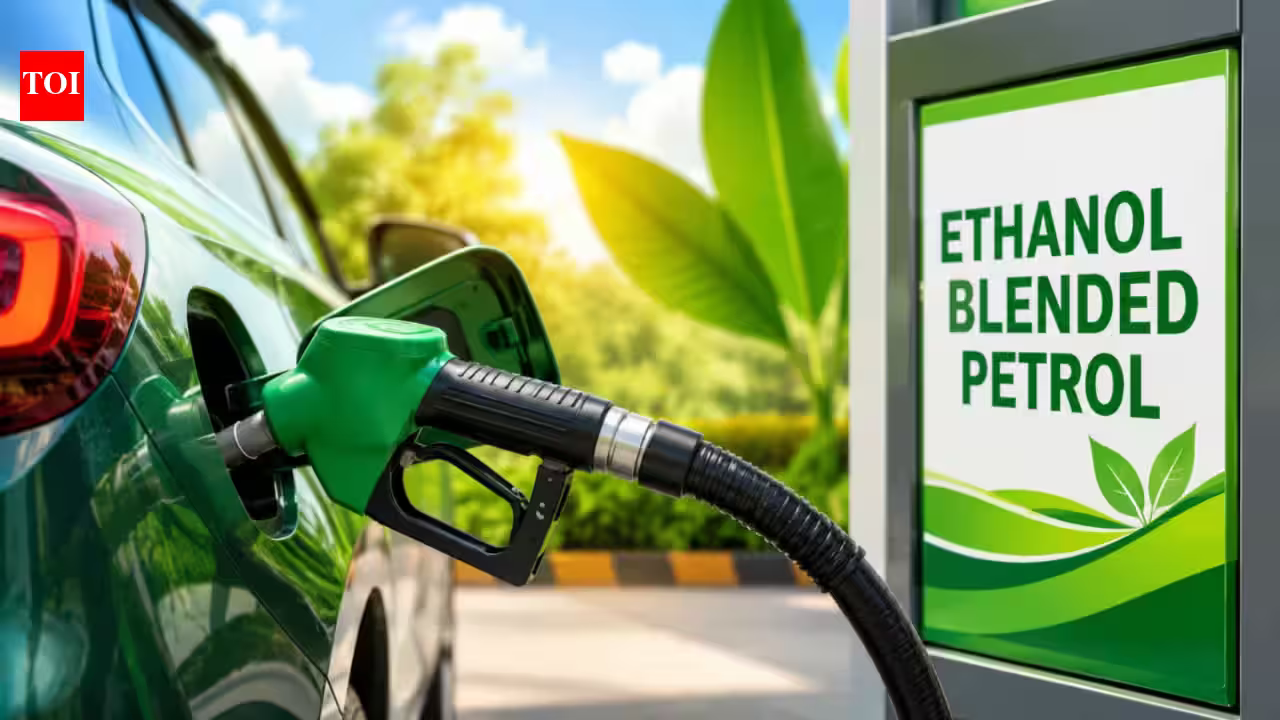
The Indian automotive sector is undergoing a profound transformation as the Ministry of Road Transport and Highways (MoRTH) formalizes the regulatory framework for Flex-Fuel Vehicles (FFVs) capable of operating on ethanol blends ranging from 85% (E85) to 100% (E100). This regulatory amendment represents a cornerstone in the government’s broader strategy to decarbonize the transport sector while addressing the persistent issue of crude oil import dependency. By aligning Central Motor Vehicles Rules with international standards observed in nations like Brazil and the United States, the Indian government is clearing the path for domestic manufacturers to introduce high-ethanol vehicles to the market.
This policy development is not merely a technical adjustment; it is an industrial pivot. Manufacturers who have been piloting E100-compatible technology now possess the legal clarity required to proceed with commercial production and registration. The notification explicitly distinguishes these vehicles from the existing fleet, establishing that E85 and E100 capabilities are exclusive to specially engineered engines. This segregation is critical, ensuring that the existing population of internal combustion engine (ICE) vehicles—typically calibrated for petrol or E20 blends—remains unaffected by the introduction of these high-ethanol specifications.
Economic Implications for Energy Security
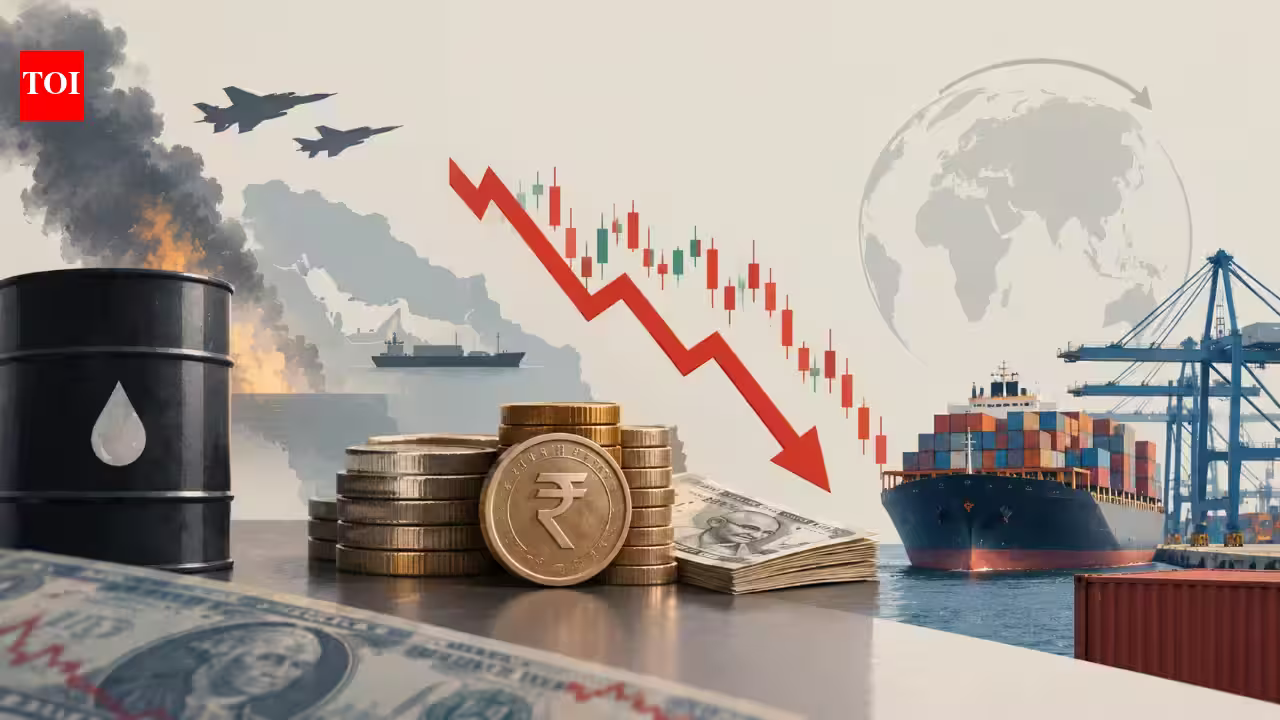
At the heart of the government’s push for high-ethanol blending is the necessity of reducing India’s gargantuan oil import bill. As one of the world’s largest consumers of crude oil, India remains vulnerable to global price volatility and supply chain disruptions. Ethanol, derived predominantly from agricultural feedstocks such as sugarcane, maize, and rice, offers a domestic alternative that effectively functions as a circular economy solution.
Transitioning toward higher ethanol blending yields significant macroeconomic benefits. It improves the balance of trade by substituting expensive imported fuel with domestically produced biofuels. Furthermore, this policy provides a substantial secondary revenue stream for the agricultural sector. By creating a sustained demand for biomass and sugar-based derivatives, the automotive industry directly links the fortunes of Indian farmers with the mobility needs of urban centers. The industrialization of E100 vehicles acts as a catalyst for expanding biofuel production capacity, fostering the growth of biorefineries across the country and creating employment in rural and semi-urban corridors.
Technological Requirements and Engineering Challenges
Flex-fuel technology introduces complexity in engine management that goes beyond traditional internal combustion systems. Vehicles designed for E85 or E100 must accommodate the unique chemical properties of ethanol, which include higher oxygen content and different combustion characteristics compared to conventional gasoline. Ethanol is also naturally corrosive to certain materials, such as specific rubbers and plastics commonly found in fuel lines and tank seals. Therefore, FFVs require high-grade, ethanol-resistant components to ensure durability and safety.
Furthermore, the engine control unit (ECU) in an FFV is a sophisticated piece of hardware. It must detect the ethanol concentration in the fuel tank in real-time and automatically adjust ignition timing, fuel injection volume, and air-fuel ratios. This adaptability is the defining feature of the platform. While the move to E100 represents an ambitious leap, the engineering challenge lies in maintaining performance and efficiency across the entire spectrum of blending. As manufacturers prepare to launch these models in India, the focus remains on optimizing cold-start performance—a known challenge for high-ethanol blends in varying climatic conditions—to ensure that the end-user experience matches the reliability expected of modern automobiles.
Environmental Objectives and Emission Standards
The primary environmental mandate driving the adoption of high-ethanol blends is the reduction of tailpipe emissions. Ethanol is a cleaner-burning fuel than fossil-derived petrol. When combusted, it produces lower levels of carbon monoxide and certain hydrocarbons, contributing to improved air quality in densely populated Indian cities. While the life-cycle carbon footprint of ethanol is inherently lower than that of refined petroleum, its adoption also aligns with India’s long-term net-zero goals.
It is important to acknowledge that the environmental benefits of E100 are contingent upon the sustainability of the agricultural supply chain. The government’s emphasis on this technology is part of an integrated approach to lower the carbon intensity of the mobility sector. By integrating E100 vehicles, the automotive industry is essentially diversifying its decarbonization portfolio, alongside electric vehicles (EVs) and hydrogen fuel cell technology. This multi-pronged approach is necessary for a country as geographically and economically diverse as India, where no single technology can realistically solve the mobility requirements of every segment of the population.
Market Readiness and Consumer Adoption
The success of the E100 rollout will hinge on the development of a robust fuel distribution infrastructure. Unlike E20, which is currently being rolled out across petrol stations nationwide, E100 requires a dedicated supply chain. For the consumer, the value proposition must be clear and compelling. This involves competitive pricing at the pump, ensuring that the cost-per-kilometer for an E100 vehicle remains attractive despite potential differences in energy density between ethanol and petrol.
From a business perspective, original equipment manufacturers (OEMs) are currently in a phase of market signaling. By launching these vehicles, they are testing the appetite for alternative fuel technologies in the premium and fleet segments. Initial adoption is likely to be concentrated among fleet operators and government agencies that have centralized fuel management systems, allowing them to manage the availability of specific fuel types more effectively than private passenger car owners. Over time, as production scales and the cost of the necessary hardware decreases, the accessibility of FFVs will widen, creating a new category of sustainable personal mobility.
Regulatory Oversight and Future Outlook
The recent regulatory changes establish a solid foundation for the future of biofuels in India. However, the industry must remain attentive to the evolving standards for vehicle certification and fuel quality. As the government continues to refine the Central Motor Vehicles Rules, the dialogue between policymakers and manufacturers will remain pivotal in addressing potential hurdles such as insurance premiums for high-performance biofuel vehicles and potential resale value considerations.
Looking forward, the integration of E100 technology represents a mature stage in India’s automotive evolution. It demonstrates a move away from reliance on singular fuel sources toward a more resilient, diversified energy architecture. By enabling the transition to 100% ethanol blends, the government is not only fostering innovation within the automotive sector but is also providing a clear direction for the energy sector to scale its production of high-grade, sustainable biofuels. This transition will be characterized by a gradual integration of high-ethanol vehicles into the broader transport ecosystem, ultimately bolstering national energy autonomy and providing a scalable model for other emerging economies facing similar energy and environmental challenges.
Disclaimer: This content is auto-generated for informational purposes only.
Source: Read Original News