









The Mystery of the Household Bin
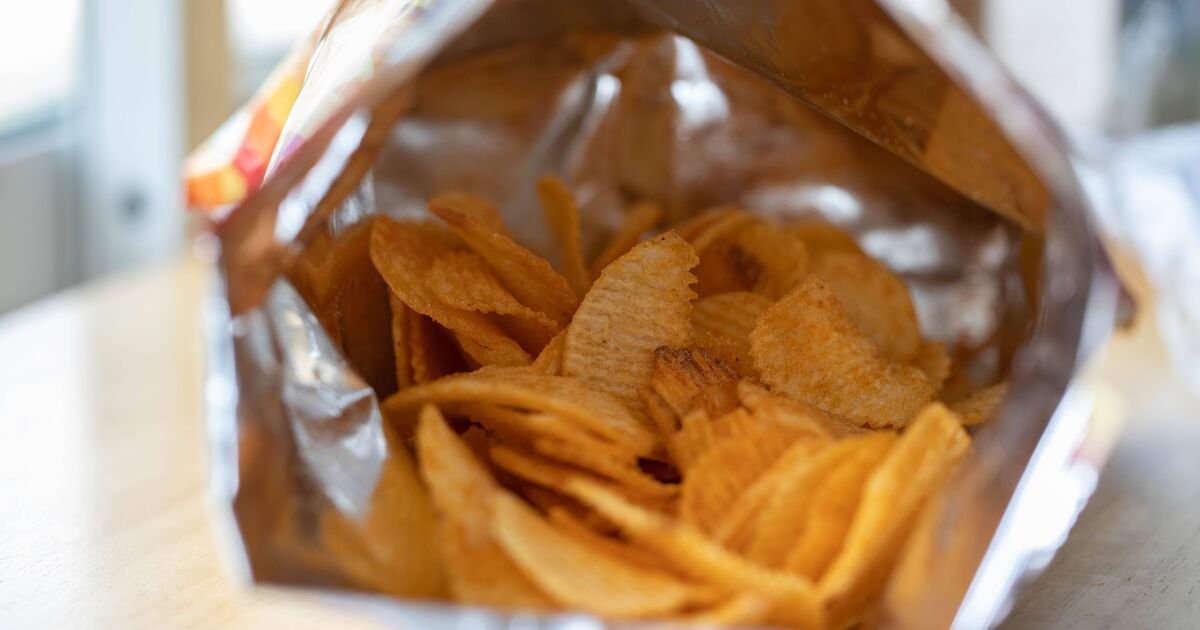
We have all stood there at some point, hovering over the bin with a crinkly bag of crisps in one hand and a half-eaten chocolate bar wrapper in the other. You stare at the little triangular recycling symbol, take a breath, and toss it into the recycling bin, feeling like a model citizen. Unfortunately, according to waste experts who have spent over a decade on the front lines of refuse collection, you might be doing more harm than good.
It is a common misunderstanding that all plastic is created equal. While your milk jugs and detergent bottles are usually welcomed with open arms by your local collection service, the flexible, stretchy material known as soft plastic is a different story entirely. If you have been tossing these items into your curbside bin, you are not alone, but it is time to change the habit to keep your waste collection running smoothly.
Why Crisp Packets Do Not Belong at Home
The primary reason your local council refuses to accept soft plastics in your home bin comes down to the machinery used at sorting facilities. Soft plastics, such as crisp packets, bread bags, and biscuit wrappers, are notorious for getting tangled in the heavy-duty conveyor belts and sorting screens. They act like a wrench in the gears, causing significant delays and mechanical issues that slow down the entire process.
When a collector spots these items in a batch that is supposed to contain only rigid plastics, they often have to reject the entire bin. This means your waste does not get processed correctly, and you might find yourself having to drag the bin back into your house to sort through the contents yourself. It is a frustrating scenario that is easily avoided once you know which items require a different destination.
Mapping Out Your Supermarket Drop-off
The good news is that these materials are indeed recyclable; they just need a bit of extra effort. Most major supermarkets have established dedicated collection points specifically for soft plastics. These are typically located near the store entrance or exit, making it easy to drop them off during your regular grocery trip.
Think of it as adding one small, simple step to your weekly routine. Instead of trying to force these items into a bin that cannot handle them, designate a specific spot in your kitchen for a soft plastic collection bag. Once that bag is full, it becomes a permanent resident in your car trunk or your reusable shopping bag supply. When you head out for your weekly shop, grab it and deposit the contents into the correct bin at the store.
Organizing Your Waste Habits
Creating a system at home is the secret to staying on top of your sustainability goals without feeling overwhelmed. If you have a busy household, try using a small, separate container under the sink specifically for these store-bound plastics. By keeping them away from your regular glass, paper, and rigid plastic recyclables, you eliminate the guesswork and ensure you are not accidentally contaminating your household bin.
This approach saves you time and ensures that your weekly waste collection goes off without a hitch. Remember that every council has slightly different regulations, so it is always a wise idea to peek at your local authority website once a year to refresh your memory on what they currently accept.
The Takeaway for a Tidy Home
Recycling correctly is about being mindful of what we consume and how we dispose of it. While it might seem like a small detail, shifting your habit away from the curbside bin toward the supermarket collection point makes a massive difference for the people working in waste management. It keeps the systems running, reduces the amount of waste sent to landfills, and helps you feel more in control of your household footprint.
Next time you finish a packet of snacks, pause for a second. Do not let that wrapper slip into the wrong bin. Keep a bag ready, maintain your system, and make those supermarket drops a normal part of your life. It is an easy win for your routine and a helpful gesture for the environment, all while ensuring your bins stay empty and your chores stay simple.
Disclaimer: This content is auto-generated for informational purposes only.
Source: Read Original News