









The Art of Knowing When to Slow Down
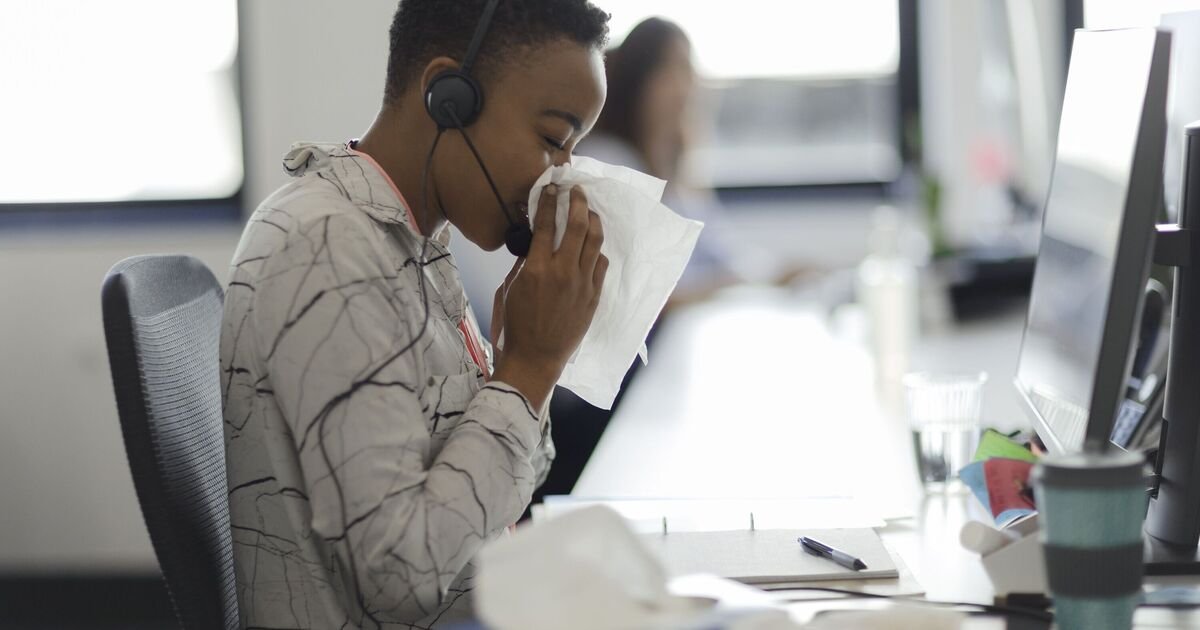
We have all been there. You wake up with a scratchy throat, a slightly heavy head, and a mounting to-do list. The immediate urge is to grab a strong coffee, reach for the cold medicine, and head to the office anyway. Society has taught us that being a hard worker means pushing through the discomfort. We often wear our ability to work while unwell like a badge of honor, fearing that calling in sick might make us look lazy or unreliable.
However, recent research suggests that this “soldier on” mentality is doing us more harm than good. While many of us feel guilty about taking a day off, pushing through a cold or flu rarely leads to a quick recovery. In fact, ignoring your body’s signals often results in a lingering illness that sticks around much longer than it would have if you had just taken forty-eight hours to recharge. It is time to redefine what productivity really means.
Understanding the Difference Between Relief and Recovery
One of the biggest traps we fall into is mistaking symptom relief for a full recovery. You might take a decongestant or a painkiller that helps you get through a morning meeting, but that doesn’t mean your body is back to its baseline. Medicine is a temporary mask, not a cure.
When you use medication to power through a full eight-hour shift, you are essentially borrowing energy you do not have. Your immune system is working overtime to fight off a virus, and it requires a significant amount of your body’s resources. By staying active and stressed, you are diverting that energy away from healing. To truly recover, you have to listen to the messages your body is sending rather than focusing only on how to suppress the discomfort.
Practical Ways to Support Your Body
When you finally decide to press the pause button, the goal should be active rest. This does not mean sitting on the couch scrolling through your phone until your eyes hurt. True recovery is about giving your system the environment it needs to do its job.
Hydration is your first line of defense. Water, herbal teas, or warm broths help thin mucus and keep your system running smoothly. Sleep is equally non-negotiable. While it can be tempting to binge-watch a series, your body performs its best repair work during deep, uninterrupted slumber. Try to dim the lights early and prioritize an extra hour or two of rest. If you are struggling with a blocked nose or congestion, simple, natural decongestants or steam inhalation can be much more effective than forcing yourself to sit at a desk under fluorescent lights.
Changing the Conversation at Work
There is a cultural shift happening, led largely by younger generations who are more vocal about prioritizing personal health over perfect attendance. If you are a manager or a colleague, fostering a culture where people feel safe taking a sick day is crucial. When we see others taking care of themselves, it gives us permission to do the same.
If you feel guilty about stepping away, consider the bigger picture. When you show up to the office sick, you aren’t just putting your own recovery at risk; you are likely exposing your teammates to the same bug. Being a responsible team member means protecting the group’s health as well as your own. A day away to recover properly is almost always more beneficial than three days of working at half-capacity while spreading germs to everyone in the vicinity.
Checking In With Yourself
How do you know if you really need the day off? Start by checking in with your energy levels throughout the morning. If you find yourself staring at your screen without absorbing any information, or if simple tasks feel like climbing a mountain, your body is giving you a clear signal.
Keep a simple kit at home with the basics: a reliable thermometer, a few hydrating fluids, and whatever over-the-counter remedies your pharmacist suggests for your specific symptoms. Having these ready helps you pivot to “recovery mode” immediately without the stress of a grocery store run when you are already feeling low. Remember, recovery is not a sign of weakness. It is a necessary part of maintaining your long-term health, ensuring that when you are at your desk, you are sharp, focused, and actually ready to contribute.
Disclaimer: This content is auto-generated for informational purposes only.
Source: Read Original News