








Atlas Air Worldwide has doubled down on its commitment to the future of the aviation industry by announcing a fresh $50,000 scholarship contribution to the University of Alaska Anchorage (UAA). This latest financial commitment brings the company’s total investment in UAA aviation students to $150,000 since the partnership began in 2024, signaling a long-term strategy to cultivate local talent in a region that serves as a vital artery for global logistics.
The initiative is specifically designed to alleviate the financial barriers facing the next generation of pilots and aviation maintenance technicians. To date, the program has already provided support for 13 students, with additional scholarships slated for distribution later this year.
Strengthening Alaska’s Global Aviation Hub
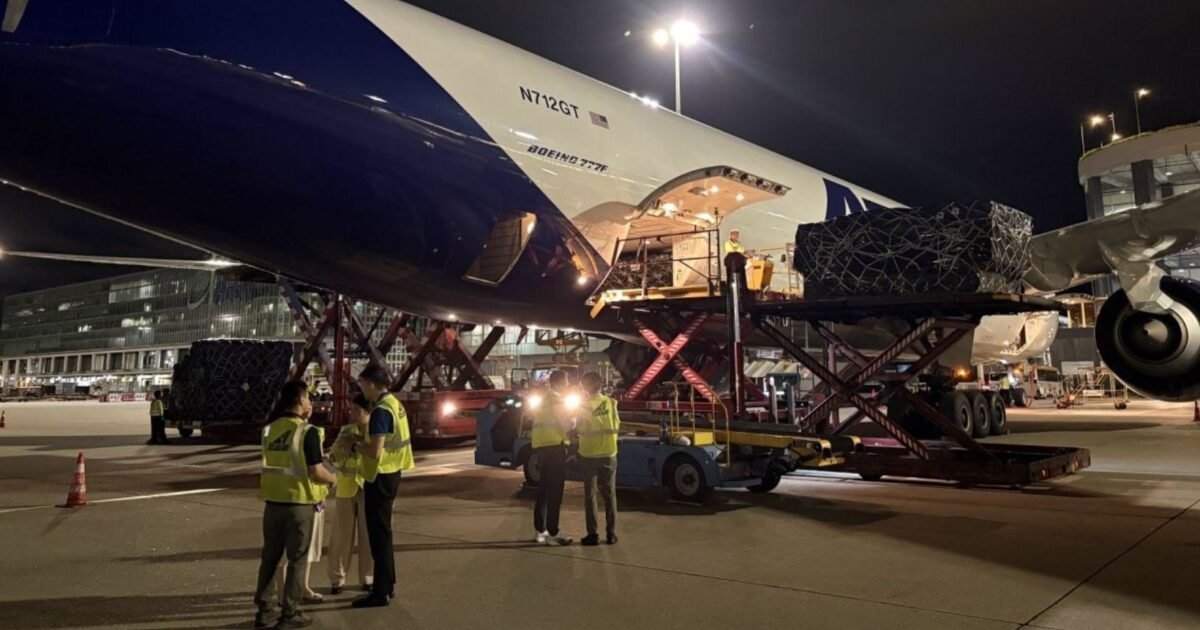
Ted Stevens Anchorage International Airport (ANC) serves as the most active node in the Atlas Air global network, hosting over 8,000 flights annually. With a workforce of more than 600 pilots based in Anchorage alone, the company relies heavily on the state’s infrastructure and human capital to maintain its position as a global leader in air cargo.
By pouring resources into the UAA’s Aviation Technology Division at Merrill Field, Atlas Air is essentially securing its own operational future. The partnership is not merely philanthropic; it is a strategic effort to ensure a steady pipeline of skilled professionals who are trained locally and ready to step into high-demand roles. The collaboration was celebrated during a recent site visit at Merrill Field, which brought together UAA Chancellor Cheryl Siemers, U.S. Representative Nick Begich, and Alaska Department of Transportation Commissioner Ryan Anderson to tour advanced flight simulation labs and air traffic control training facilities.
The Intersection of Logistics and Technology
While the aviation sector is physically driven by heavy machinery and complex flight paths, the modern cargo industry is increasingly defined by the integration of sophisticated tech ecosystems. As Atlas Air invests in the next generation of workers, the broader industry is simultaneously pivoting toward AI-driven fleet management, predictive maintenance, and real-time data analytics.
The aviation technology facilities at UAA are at the forefront of this shift. Students engaging with these programs are learning to operate in an environment where cockpit automation, digital flight path optimization, and remote diagnostics are becoming standard. By fostering an educational environment that mirrors the high-tech requirements of modern air cargo, UAA is preparing students not just for traditional piloting, but for a digitized landscape where data-informed decision-making is as important as manual stick-and-rudder skills.
Building the Future Workforce
The partnership between a global cargo giant and a regional university addresses the industry-wide shortage of aviation personnel. As the demand for rapid global delivery increases, the pressure on human infrastructure—technicians and pilots—has never been higher.
“This partnership creates opportunities for UAA students while helping meet Alaska’s critical aviation workforce needs,” said UAA Chancellor Cheryl Siemers. Her sentiment was echoed by U.S. Representative Nick Begich, who noted that a strong workforce is the backbone of Alaska’s economic future.
For the students, the program offers a clear pathway into a stable and essential career. By providing direct access to industry leaders and modern training infrastructure, Atlas Air is effectively bridging the gap between classroom theory and real-world execution. As the company continues to refine its global operations, this pipeline of homegrown talent will remain a key component of its long-term strategy, ensuring that Alaska remains a central point in the global supply chain. This infusion of capital into education serves as a blueprint for how large-scale industrial players can leverage corporate social responsibility to solve complex labor market challenges in an increasingly automated and interconnected world.
Disclaimer: This content is auto-generated for informational purposes only.
Source: Read Original News