







Bringing the outdoors in is a popular interior design trend, but bringing the wildlife to your doorstep is the ultimate way to feel connected to the natural world. If you have been looking at an empty bird feeder over the last few months, you are in luck. With the arrival of November, it is officially time to restock your garden buffet and welcome back our feathered neighbors.
The Seasonal Shift in Your Backyard
For the past several months, many of us have kept our feeders tucked away to protect our local bird populations. Between May and October, wildlife experts encourage a pause on using seed and peanut feeders to help prevent the spread of a contagious parasite known as trichomonosis, which has hit finch populations quite hard.
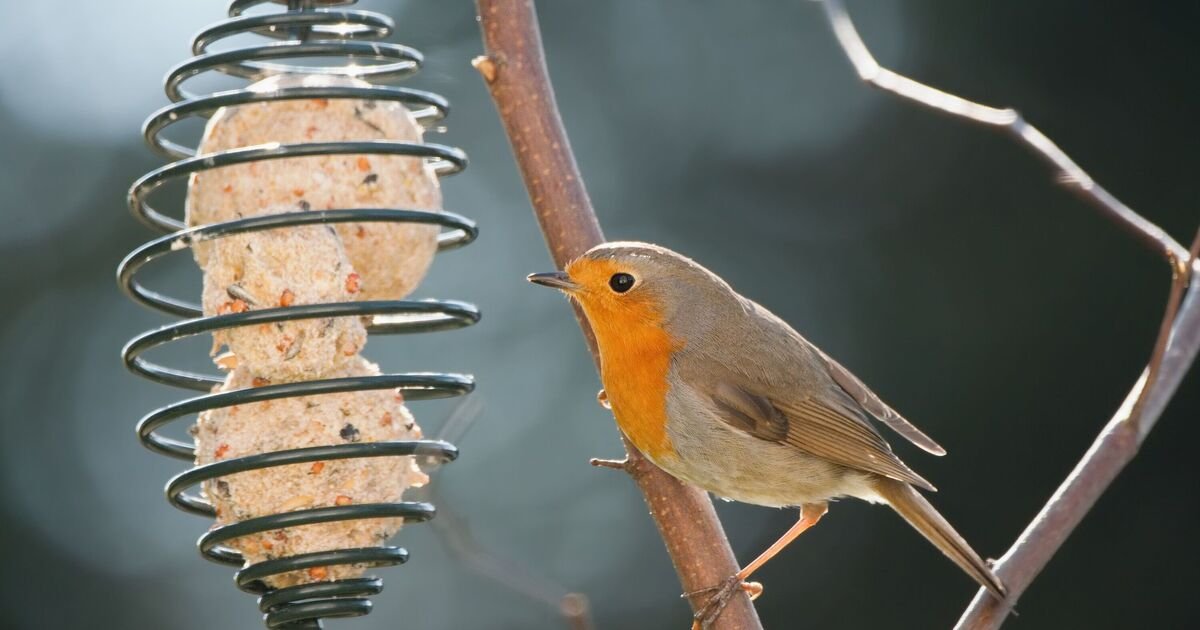
Now that the calendar has flipped to November, that restriction has lifted. It is the perfect time to observe the changing guard in your garden. You might notice your familiar regulars like robins, blackbirds, and song thrushes, but keep a sharp eye out for winter migrants like redwings arriving from Northern Europe. Watching these creatures dart between branches is a quiet, meditative way to start your morning while you enjoy your coffee.
Curating a Safe Menu for Your Visitors
Before you rush to the store to buy the first bag of bird feed you see, it pays to be a bit picky. Not all snacks are created equal when it comes to avian health. If you are planning to serve peanuts, always make sure they are unsalted, unseasoned, and explicitly labeled as aflatoxin-tested. These toxins, which can grow on certain types of nuts and grains, are dangerous to birds.
Additionally, skip the leftovers from your dinner plate. Cooked food should never go into a bird feeder or even a compost heap, as it tends to invite unwelcome guests like rodents. Salt is another major no-go; it causes rapid dehydration in birds, so keep your pretzels and salted crackers strictly for human consumption. By choosing high-quality, plain ingredients, you ensure that your garden remains a safe sanctuary rather than a source of illness.
Designing a Cleaner Feeding Station
If you want to keep your bird population thriving, how you feed them is just as important as what you feed them. Many of us grew up with flat bird tables or window trays, but these are actually prime spots for bacteria to grow. Because birds walk over these surfaces, any regurgitated food or droppings can quickly contaminate the feed.
The best move is to switch to hanging tubular feeders. These designs limit direct contact and keep the food much cleaner. Beyond the equipment, consistency is key. Make it a part of your weekly routine to scrub your feeders with warm, soapy water or a mild, bird-safe disinfectant. If you provide a bird bath, make sure to refresh the water daily. It is a small chore that takes only a few minutes but makes a massive difference in preventing the spread of diseases among your frequent flyers.
Why Your Garden Needs Birds
Beyond the joy of watching a robin hop across your lawn, encouraging birds to visit has practical perks for your gardening success. Think of the birds as your personal, free landscaping assistants. They are highly efficient at keeping populations of aphids and caterpillars in check—pests that would otherwise make a meal out of your prized flowers or shrubs.
By fostering a healthy ecosystem, you are creating a balanced space where nature does a lot of the maintenance work for you. It is a rewarding cycle: you provide a clean, reliable food source, and in return, you get a vibrant garden that stays healthier and more resilient. As the weather turns colder and the days grow shorter, having this constant, chirping activity just outside your window provides a wonderful boost to your daily routine, keeping you connected to the rhythmic changes of the season.
Disclaimer: This content is auto-generated for informational purposes only.
Source: Read Original News