







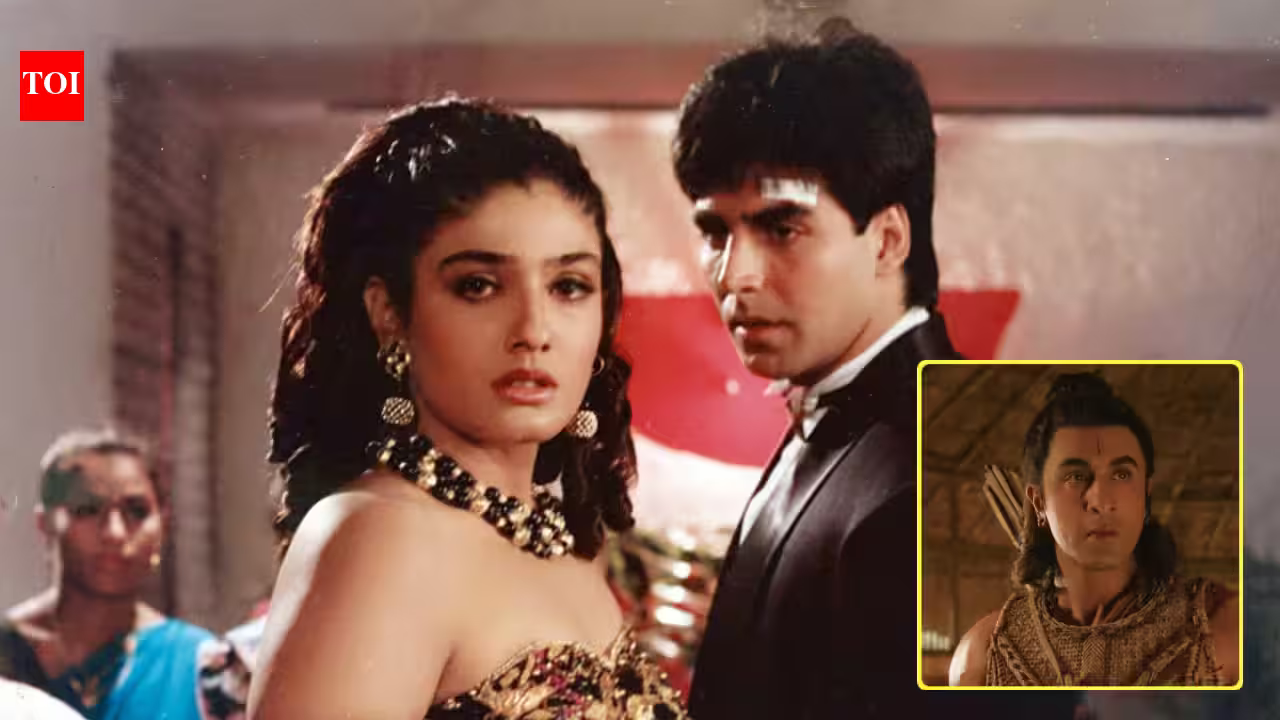
In the high-stakes, ever-shifting landscape of modern Indian cinema, there is a recurring irony: the more we look toward the future with mega-budget mythological spectacles, the more we find ourselves tethered to the electric nostalgia of the 1990s. As we look ahead to the calendar for late 2026, the box office is shaping up to be a battlefield of generational proportions. On one side, we have the colossal, much-hyped Ramayana, starring Ranbir Kapoor, Sai Pallavi, and Yash. On the other, arriving with the force of a time machine, is the 4K-remastered return of the 1994 cult classic, Mohra.
This is not just a standard re-release; it is a tactical strike of nostalgia. Thirty-two years after it first set the screen on fire, the Rajiv Rai-directed juggernaut is returning to theatres on November 6, 2026, a mere 24 hours after the opening of what is arguably the most anticipated film of the decade.
The 1994 Phenomenon Returns
To understand why Mohra remains a cultural touchstone, one must look back at the cinematic landscape of 1994. It was a year defined by massive shifts in Hindi cinema, and Mohra stood as the ultimate action-thriller blueprint. Produced by Gulshan Rai under the Trimurti Films banner, the film did more than just sell tickets—it defined the aesthetic of the decade.
The announcement of its return via a sleek 4K teaser has sent ripples through the industry. The teaser promises to bring the sharp, visceral thrills of the original to a generation that has only experienced its iconic dance sequences through YouTube clips or wedding playlists. The tagline, “In a deadly game of power and betrayal, everyone could be a pawn,” reminds us that Mohra wasn’t just about style; it had substance that kept audiences on the edge of their seats for nearly three hours.
A Clash of Titans: Nostalgia vs. Mythology
The timing of the re-release is, to put it mildly, audacious. Placing a 90s classic in direct competition with a modern mythological epic is a bold bet by the distributors. While Ramayana aims to conquer the box office with grandeur and state-of-the-art VFX, Mohra relies on the raw, unadulterated “masala” factor that contemporary films often struggle to replicate.
The question on everyone’s mind in the trade circles is simple: will the audience choose the new, or will they flock to the old? There is a significant segment of the Indian audience that finds solace in the gritty, high-octane storytelling of the 90s. Mohra offers a visceral, grounded experience that contrasts sharply with the digital polish of today’s tentpole movies. By positioning itself just a day behind Ramayana, Mohra is essentially inviting the audience to revisit their childhoods while the rest of the country queues up for the latest blockbuster.
The Story That Still Holds Water
For the uninitiated, Mohra tells the story of Vishal Agnihotri, played with brooding intensity by Suniel Shetty, a man consumed by the need for justice after the murder of his wife. When the intrepid journalist Roma Singh (Raveena Tandon) helps him secure his release, Vishal finds himself ensnared in a web woven by the enigmatic and chilling Jindal, brought to life by the legendary Naseeruddin Shah.
The film’s central hook—a prisoner used as a pawn by a powerful man to “clean up” the city—is a narrative device that still feels fresh and cinematic. When Inspector Amar Saxena, played by a young, hungry Akshay Kumar, enters the frame, the film pivots from a revenge saga to a sophisticated cat-and-mouse conspiracy. It remains a masterclass in pacing, blending the dark undertones of a crime drama with the high-energy demands of a 90s commercial entertainer.
The Music of a Generation
One cannot discuss Mohra without tipping a hat to Viju Shah. His soundtrack didn’t just top the charts—it owned the radio for years. With over eight million units sold, the music was a commercial force that bridged the gap between the film’s grim premise and its mainstream appeal.
Who can forget the rhythmic, infectious pulse of “Tu Cheez Badi Hai Mast Mast” or the atmospheric, rain-soaked sensuality of “Tip Tip Barsa Paani”? These songs are etched into the DNA of Indian pop culture. They were bolstered by lyrics from maestros like Anand Bakshi, Indeevar, and Sameer, making the soundtrack an essential companion to the film’s success. Returning to a cinema hall to hear these tracks on a modern surround-sound system is, for many, the primary draw of this re-release.
Why 2026 Needs ‘Mohra’
Beyond the box office implications and the star power of Akshay Kumar and Suniel Shetty at the peaks of their careers, Mohra represents a period of filmmaking that feels increasingly rare. The ensemble cast—featuring stalwarts like Paresh Rawal, Gulshan Grover, and Sadashiv Amrapurkar—gave the film a texture of authenticity that is hard to manufacture.
As we head toward the November 2026 clash, the industry will be watching closely. Whether you are a fan of the new-age spectacle of Ramayana or a devotee of the golden era of 90s action, the first week of November will be a historic window for Indian cinema. By bringing Mohra back, the makers aren’t just looking to make money; they are reminding us that some films aren’t just movies—they are time capsules. And in 2026, those capsules are set to burst back into the spotlight, proving that even after three decades, the “Mast Mast” magic hasn’t lost an ounce of its edge.
Disclaimer: This content is auto-generated for informational purposes only.
Source: Read Original News