








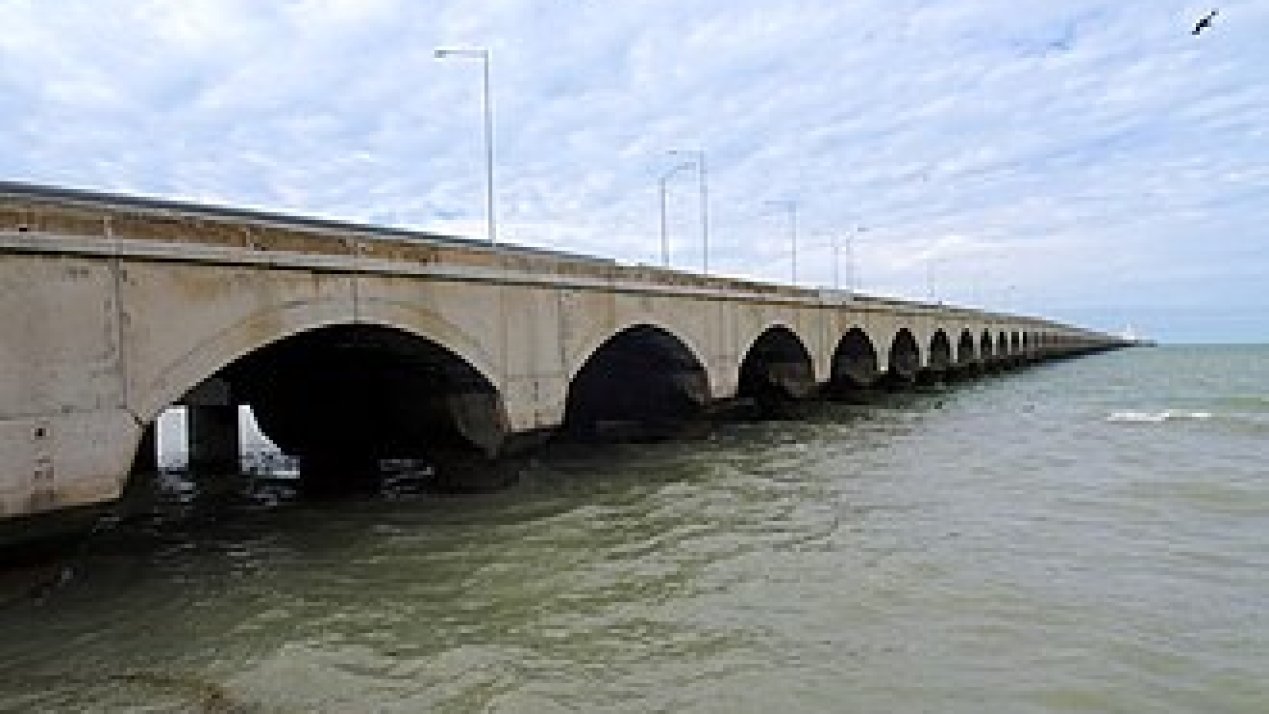
The Port of Progreso is undergoing a significant logistical transformation, positioning itself as a central pillar of the “Renacimiento Maya” strategy in Yucatan. With a massive investment exceeding MX$12.5 billion (approximately US$670 million), the project aims to triple the facility’s operational capacity, significantly boosting the region’s ability to handle global freight and larger maritime vessels.
## Advancing Through Strategic Development Phases
The ambitious expansion is structured into three distinct phases, reflecting a complex collaboration between state authorities, federal agencies, and private sector stakeholders. The first phase, funded by the state government with an investment of MX$1.63 billion, successfully laid the groundwork for modernization. Recently, authorities confirmed that the second phase—spearheaded by private operator SSA Marine Mexico with a nearly MX$1 billion investment—has reached completion and is currently transitioning through the official handover process.
Looking ahead, the focus shifts to the third phase, which involves extensive federal infrastructure works. As bidding processes near their conclusion, the coordination between these entities remains the critical variable for success. By combining public-sector planning with private investment, Yucatan is attempting to create a seamless, modernized logistics hub capable of meeting the rising demands of international supply chains.
## Technical Innovations in Infrastructure
At the heart of this expansion is a massive engineering effort to deepen and widen the port’s navigation zones. Plans include dredging approximately 12.9 million cubic meters of material, which will allow the navigation channel to expand from 150 meters to 180 meters in width, with depths reaching 13.3 meters.
A unique technical aspect of this project is the circular use of dredged material to construct two 40-hectare platforms. These 80 hectares of newly created land provide a canvas for future terminals, offering the physical space required for advanced logistics services. While the infrastructure is designed to accommodate larger, modern vessels, industry experts note that the port’s true competitiveness will ultimately depend on secondary factors, such as terminal equipment, operational efficiency, and the seamless integration of land-based transportation networks.
## Modern Logistics and Regional Integration
While maritime capacity is the primary focus, the modernization strategy explicitly recognizes that a port is only as strong as its connection to the rest of the supply chain. Currently, the Port of Progreso serves as a vital gateway for fuels, agricultural bulk, and mineral commodities, moving over 8 million tons of cargo annually. However, to unlock its full potential, the state government is prioritizing better integration with regional highway and railway corridors.
In an era where global logistics performance is increasingly measured by vessel turnaround times and digital efficiency, the project reflects a shift toward smart, sustainable infrastructure. Much like modern tech industries that rely on data to optimize performance, port authorities are now tasked with implementing long-term operational performance criteria. This includes adopting digital tracking for cargo flow and ensuring that the expansion is resilient against environmental challenges, such as climate change and sea-level variability.
Ultimately, the modernization of the Port of Progreso is not merely an exercise in construction, but a strategic move toward regional economic development. By bridging the gap between current operational limitations and the requirements of modern trade, Yucatan is positioning its most vital maritime asset to become a primary node in global commerce, provided that the coordination between physical infrastructure and digital logistics support remains robust and agile.
Disclaimer: This content is auto-generated for informational purposes only.
Source: Read Original News