







China’s wealth landscape is undergoing a profound structural transformation, as underscored by the latest Hurun Research Institute report. The 2026 findings reveal a stark divergence in the country’s economy: a high-tech sector fueled by artificial intelligence and green energy is rapidly ascending, while the traditional pillars of real estate and consumer goods face a period of significant contraction.
According to the report, the number of individuals with a net worth exceeding 5 billion yuan ($750 million) reached a record 1,529 this year, a 6.6% increase. This growth is mirrored in the billionaire category, where China now boasts 1,176 individuals with a net worth of at least $1 billion—surpassing the United States by 176 people.
The AI Gold Rush
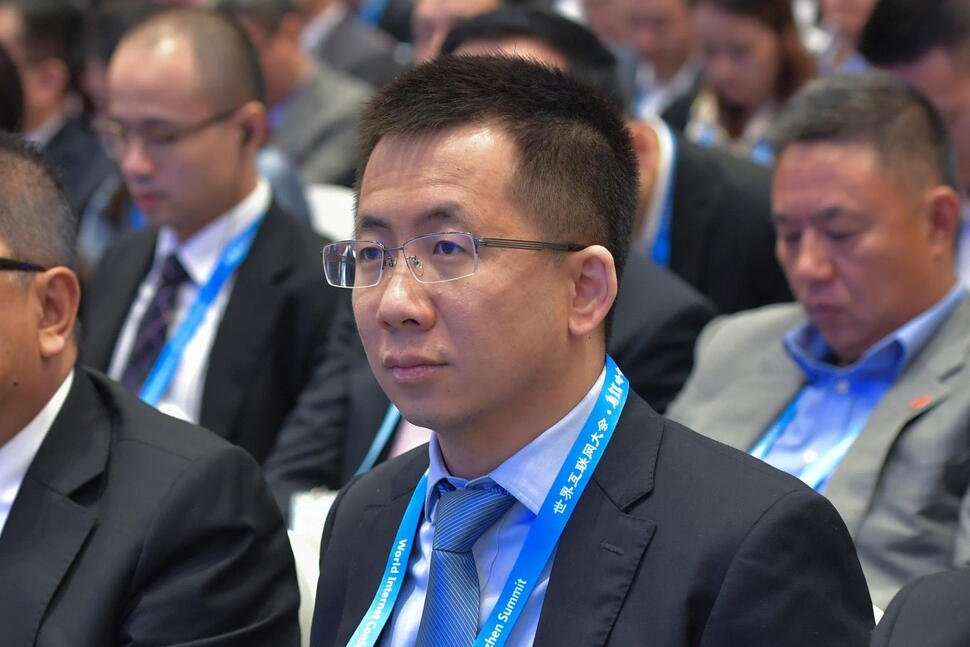
The primary driver behind this concentration of wealth is undoubtedly artificial intelligence. ByteDance founder Zhang has ascended to the top of the Hurun rich list, commanding a fortune of $100 billion—a 43% surge largely attributed to the company’s AI-integrated products. Rupert Hoogewerf, chairman of the Hurun Report, emphasized that the success of ByteDance’s Doubao, now a dominant AI assistant in China, illustrates the sector’s pivotal role.
“AI is the biggest single wealth engine on this list,” Hoogewerf noted, highlighting that one in ten people on the list now derive their primary income from artificial intelligence. The trend is bolstered by new entrants such as Liang Wenfeng, founder of the prominent AI startup DeepSeek, who secured a spot in the top ten, along with Chen Tianshi, the head of the AI chip manufacturer Cambricon.
A Tale of Two Economies
While the tech sector experiences a surge, the report paints a bleaker picture for traditional industries. The Chinese economy, which recently posted a 4.5% growth rate, is currently navigating the complexities of a “two-speed” environment. Government initiatives supporting high-tech manufacturing, EVs, and semiconductors have created pockets of prosperity, yet these successes are masked by broader domestic struggles.
Consumer spending remains tepid as small business owners report a difficult environment characterized by cautious household budgets. This is most visible in the retail and manufacturing sectors, where fortunes have largely stagnated or declined. Most notably, the real estate sector—once a reliable engine for creating China’s wealthiest individuals—has effectively vanished from the top tier. For the first time in the history of the Hurun list, not a single mainland property developer ranks among the top 100 wealthiest citizens.
Shifting Fortunes in Tech and Manufacturing
The volatility of the current market is perhaps best exemplified by the fortunes of consumer electronics giants. Lei Jun, the chairman of Xiaomi, faced the steepest decline on this year’s list, with his net worth halved to $25.1 billion. This sharp reversal serves as a reminder of the competitive pressures within the consumer tech hardware space.
Meanwhile, industry leaders in the energy sector remain major players. Robin Zeng, chairman of CATL—the world’s largest manufacturer of electric vehicle batteries—retained his position in the top three, underscoring the long-term, government-backed shift toward sustainable technology.
As China works toward its official annual GDP growth target of 4.5% to 5%, the Hurun data serves as a barometer for the nation’s shifting priorities. The pivot from property and traditional manufacturing to a landscape dominated by AI, robotics, and advanced materials represents the defining economic transition of the era. While individual wealth at the top remains robust, the divergence between these sectors suggests that the path to future prosperity in China is increasingly defined by technological innovation rather than capital-intensive development.
Disclaimer: This content is auto-generated for informational purposes only.
Source: Read Original News