







Strategic Diversification in the Indian SUV Landscape
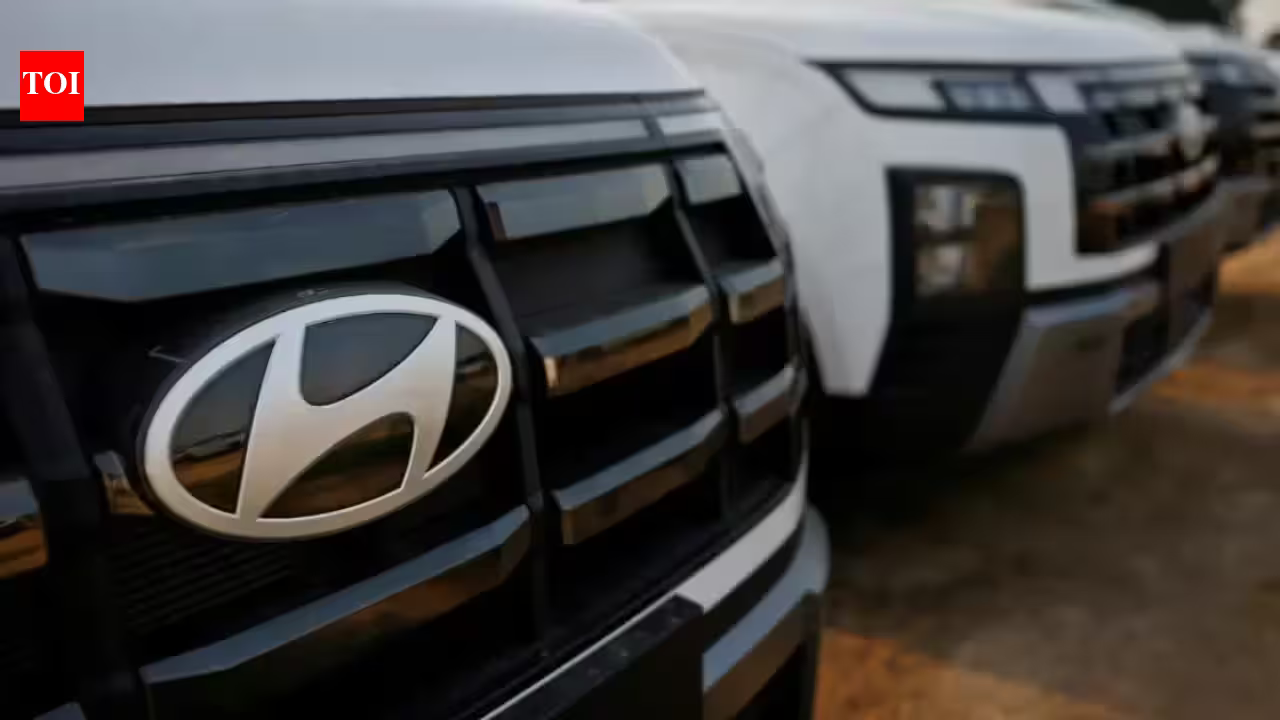
The Indian automotive market has undergone a fundamental transformation over the last decade, transitioning from a preference for compact sedans and hatchbacks to an overwhelming dominance of Sport Utility Vehicles (SUVs). As the primary growth driver for the industry, the SUV segment has become the most intensely contested space for manufacturers. Hyundai Motor India, long a pillar of this market, is now executing a strategic recalibration. By expanding its portfolio beyond the perennial bestseller, the Creta, and introducing the Bayon, the company is signaling a shift toward nuanced segmentation and specialized product positioning.
For years, the Creta has served as the anchor of Hyundai’s India operations, consistently topping sales charts in the midsize SUV category. However, the rise of domestic and international competitors—most notably the alliance of Maruti Suzuki’s Grand Vitara and the Toyota Hyryder—has necessitated a more sophisticated approach. With the target of achieving combined annual sales of 2.5 lakh units for the Creta and Bayon by 2027, Hyundai is moving to capture diverse buyer personas that were previously underserved by a single, monolithic product strategy. This dual-product initiative reflects a mature understanding of the modern Indian consumer, who increasingly seeks vehicles tailored to specific technological, lifestyle, and operational requirements.
Navigating Market Saturation and Segment Evolution
The midsize SUV segment is no longer a homogeneous block. It is a fragmented market where consumer needs range from fuel-efficient, urban-centric mobility to high-performance, feature-laden long-distance vehicles. Between January and September 2026, the Creta maintained a robust position with over 1.4 lakh units sold. Simultaneously, the combined volume of 1.7 lakh units for the Grand Vitara and Hyryder demonstrates that competition is not merely coming from individual car models, but from collaborative manufacturing efforts that leverage massive distribution networks.
Hyundai’s decision to introduce the Bayon acts as a strategic buffer. By positioning the Bayon alongside the Creta rather than replacing it, Hyundai is creating a “pincer movement” within the midsize segment. This approach addresses the risk of market cannibalization by ensuring the products serve distinct needs. While the Creta caters to a buyer looking for space, status, and the comfort of an established brand legacy, the Bayon is being positioned as a tech-forward asset. This segmentation is crucial in a country like India, where price sensitivity is often tempered by a demand for premium features and connectivity. By offering varied powertrain configurations, including petrol and the impending addition of factory-fitted CNG in 2027, Hyundai is effectively insulating itself against the volatility of fuel prices and changing regulatory environments.
The Role of Technology as a Key Differentiator
In the modern Indian automotive context, hardware specifications such as engine capacity and ground clearance are increasingly secondary to software integration and cabin technology. The Bayon is designed to function as the spearhead for Hyundai’s technology-centric branding. For the younger, digitally native demographic, a vehicle is viewed as an extension of their personal workspace or entertainment suite.
Hyundai is leveraging its global expertise in Advanced Driver Assistance Systems (ADAS), infotainment connectivity, and telematics to distinguish the Bayon from the more traditional appeal of the Creta. This focus on “technology adoption” is a calculated move to capture a segment of buyers who may find the Creta too conventional or utilitarian. By integrating modern digital interfaces and smart features, Hyundai is ensuring that it remains relevant in an environment where user experience is becoming a primary purchasing criterion. This transition mirrors the global automotive trend where the value proposition of a vehicle is measured by its intelligence and interoperability with the user’s other smart devices.
Addressing the CNG Imperative and Operational Efficiency
A notable aspect of Hyundai’s product roadmap is the aggressive expansion into the CNG segment, slated for January 2027. Historically, CNG vehicles in India were relegated to the entry-level hatchback or compact sedan segments, often perceived as compromises for cost-conscious buyers. However, the rising cost of petrol and the increased availability of CNG infrastructure across major Indian cities have shifted this perception.
By introducing a CNG powertrain into the Bayon, Hyundai is elevating the status of the alternative-fuel SUV. This serves a dual purpose. First, it addresses the pragmatic concerns of urban commuters who face the dual pressure of heavy traffic and fluctuating fuel costs. Second, it allows Hyundai to occupy a space that many premium rivals have avoided, thereby locking in a segment of the market that prioritizes lower total cost of ownership without sacrificing the SUV form factor. The integration of cleaner fuel technology is also aligned with the broader regulatory focus on emission reduction, ensuring that the company stays ahead of potential future mandates while maintaining operational efficiency in its production lines.
Future Outlook and Competitive Resilience
The roadmap to 2027 for Hyundai Motor India is a masterclass in market resilience. By diversifying its portfolio, the company is moving away from a single-point dependency on the Creta, which, while successful, carries inherent risks in such a dynamic market. The successful implementation of this strategy requires seamless synchronization between domestic production capabilities and the shifting expectations of the Indian consumer.
As the industry moves toward greater competition, success will not be measured merely by sales volume but by the ability to maintain brand equity across a broader range of products. Hyundai’s approach suggests that it is prepared to compete on multiple fronts: price, technology, and fuel diversity. As rivals continue to scale their manufacturing, Hyundai’s shift toward a differentiated SUV portfolio will be the primary barometer for its sustained leadership in the Indian market. Through the introduction of the Bayon and the strategic positioning of its flagship models, the company is reinforcing its commitment to high-growth, high-value segments, ensuring that it remains a top-tier participant in the evolving narrative of Indian automotive mobility.
Disclaimer: This content is auto-generated for informational purposes only.
Source: Read Original News