









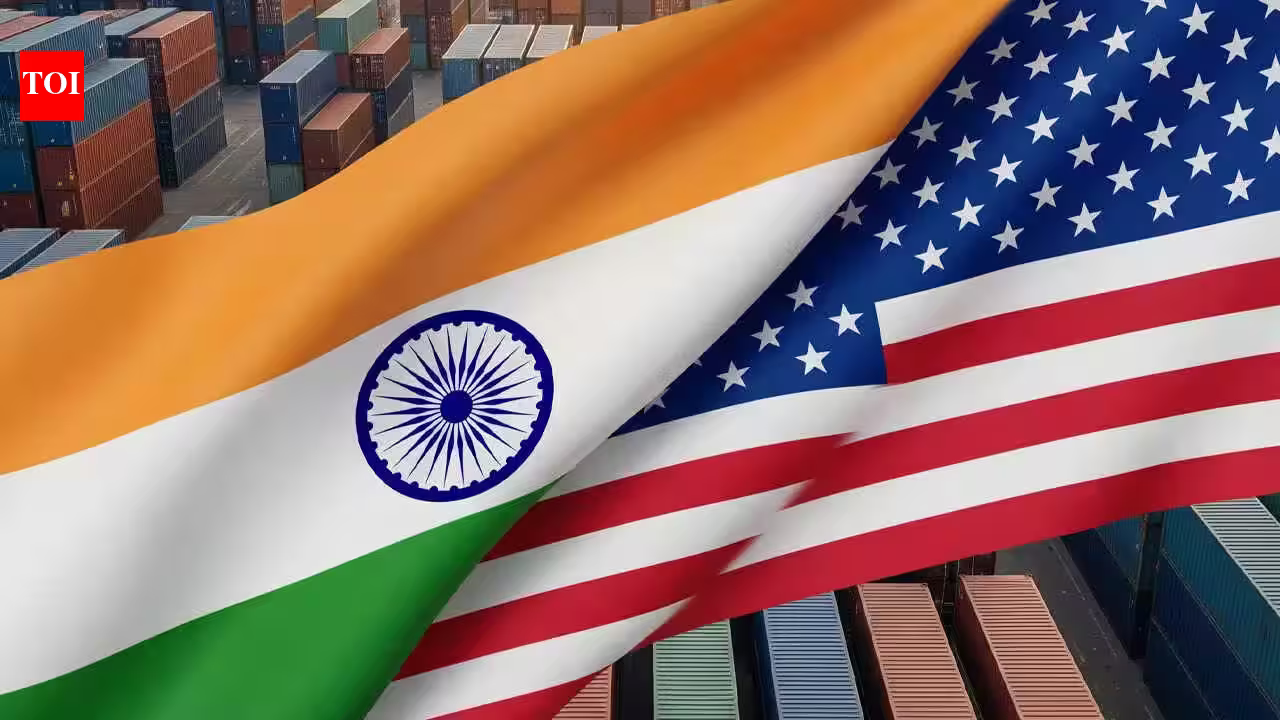
Digital Transformation in India-US Trade Relations
The landscape of international trade is undergoing a profound transformation driven by digital integration. The recent launch and subsequent adoption of the India-US Trade Facilitation Portal represent a significant shift in how emerging economies manage cross-border commercial relationships. With approximately 3,500 registrations recorded in just a few months, this initiative underscores a growing appetite among Indian enterprises to tap into the United States market, which remains the largest single-country destination for Indian goods.
Historically, the barriers for Micro, Small, and Medium Enterprises (MSMEs) to enter the American market were formidable. High costs associated with physical trade shows, complex regulatory navigation, and the challenge of establishing trust with overseas buyers often sidelined smaller players. The new digital portal serves as a bridge, reducing information asymmetry and providing a structured framework for B2B engagement. By consolidating product listings and facilitating direct interactions, the platform functions not merely as a directory, but as a digital ecosystem designed to institutionalize trade relationships between Indian exporters and American procurement teams.
Empowering the MSME Sector Through Digital Access
For the Indian economy, the MSME sector is a critical pillar of employment and industrial output. However, global competitiveness for these firms has often been hampered by a lack of visibility. The Trade Facilitation Portal addresses this by democratizing access to the American buyer base. Unlike traditional trade promotion councils that often favor large-scale corporate entities with established supply chains, this digital marketplace creates a level playing field.
The platform provides features that are essential for the modern exporter: personalized dashboards, lead tracking, and curated product showcases. By enabling first-time exporters to present their capabilities directly to US businesses, the portal removes the reliance on third-party intermediaries who often inflate costs and dilute margins. In the Indian context, where the government is aggressively pushing for the “Make in India” initiative and seeking to integrate domestic manufacturing into global value chains, this portal acts as a vital tool for technical and commercial scaling. It allows smaller firms to bypass the logistical complexities of international expansion and focus on what they do best: production and quality assurance.
Structural Benefits of a B2B Digital Marketplace
The success of the platform lies in its departure from passive, catalog-style databases toward an active, engagement-oriented model. Virtual exhibitions and curated displays allow for a dynamic exchange that mimics the efficacy of physical trade fairs but at a fraction of the cost. This shift is particularly relevant in the post-pandemic business environment, where supply chain agility is prioritized over traditional, rigid long-term contracts.
From a market perspective, the integration of search tools and category-wise listings assists US buyers in identifying high-quality Indian suppliers. The United States frequently seeks to diversify its supply chain away from concentrated manufacturing hubs, and India is positioned as a primary beneficiary of this trend. By providing a transparent space for identifying potential partners, the portal facilitates a “matchmaking” process that mitigates risk for both sides. US buyers gain access to a verified network of Indian manufacturers, while Indian exporters gain a structured entry point into a high-demand market. This alignment of interests is fundamental to the long-term sustainability of the India-US economic corridor.
Addressing Challenges in Cross-Border Trade
Despite the positive reception, the sustainability of this trade portal depends on its ability to evolve alongside the complexities of international trade. While digital connectivity is a massive advantage, it does not replace the need for regulatory compliance, product certification, and logistical competence. A major challenge for Indian exporters—particularly those operating at a smaller scale—remains adherence to stringent American standards regarding quality control and labor practices.
The portal can further its utility by incorporating modules that provide guidance on US market regulations, tariff structures, and customs compliance. By transforming from a B2B marketplace into a comprehensive trade support system, it could significantly reduce the mortality rate of new export ventures. Furthermore, establishing trust in digital environments is paramount. As registrations grow, maintaining the integrity of the platform through robust verification processes for both sellers and buyers will be essential to prevent fraudulent activity and ensure high-quality, reliable trade outcomes. The current momentum provides an opportunity to refine these processes and create a gold-standard benchmark for digital trade facilitation in the region.
Strategic Implications for Indian Exporters
For the Indian government and industry stakeholders, the success of this portal validates a broader strategy of digital-first trade diplomacy. The collaboration between the Consulate General of India in New York and the Indian Embassy in Washington DC demonstrates a top-down commitment to economic growth. By utilizing diplomatic channels to provide technical trade solutions, the government is effectively modernizing the traditional commercial attaché model.
Looking ahead, the long-term impact of this portal will be measured by the value of exports generated and the diversification of the product mix. Currently, Indian exports to the US are dominated by software services, pharmaceuticals, and engineering goods. There is immense potential, however, to expand this to consumer goods, textiles, and light engineering products from the MSME sector. If the portal can successfully facilitate this diversification, it will not only boost India’s export revenue but also solidify a more resilient and integrated US-India trade partnership.
The early adoption metrics suggest that the digital void in the India-US commercial relationship was significant, and this portal is a timely intervention. As businesses continue to move toward decentralized, tech-enabled procurement strategies, such platforms will become the primary nodes of global trade. For India, the imperative is to ensure that these tools are consistently updated, heavily promoted, and technically robust enough to handle the anticipated surge in international commercial activity. The success of this initiative is a precursor to a more digitized, efficient, and accessible future for India’s international trade aspirations.
Disclaimer: This content is auto-generated for informational purposes only.
Source: Read Original News