








The North Wales coastline is set to become a focal point for technological innovation in the renewable energy sector, as the Morlais tidal energy project integrates advanced artificial intelligence to safeguard marine biodiversity. Operated by Menter Môn, the 30MW scheme, which holds the title of the largest consented tidal energy project in Europe, has announced that it will utilize AI-driven monitoring systems to oversee environmental impacts in real time.
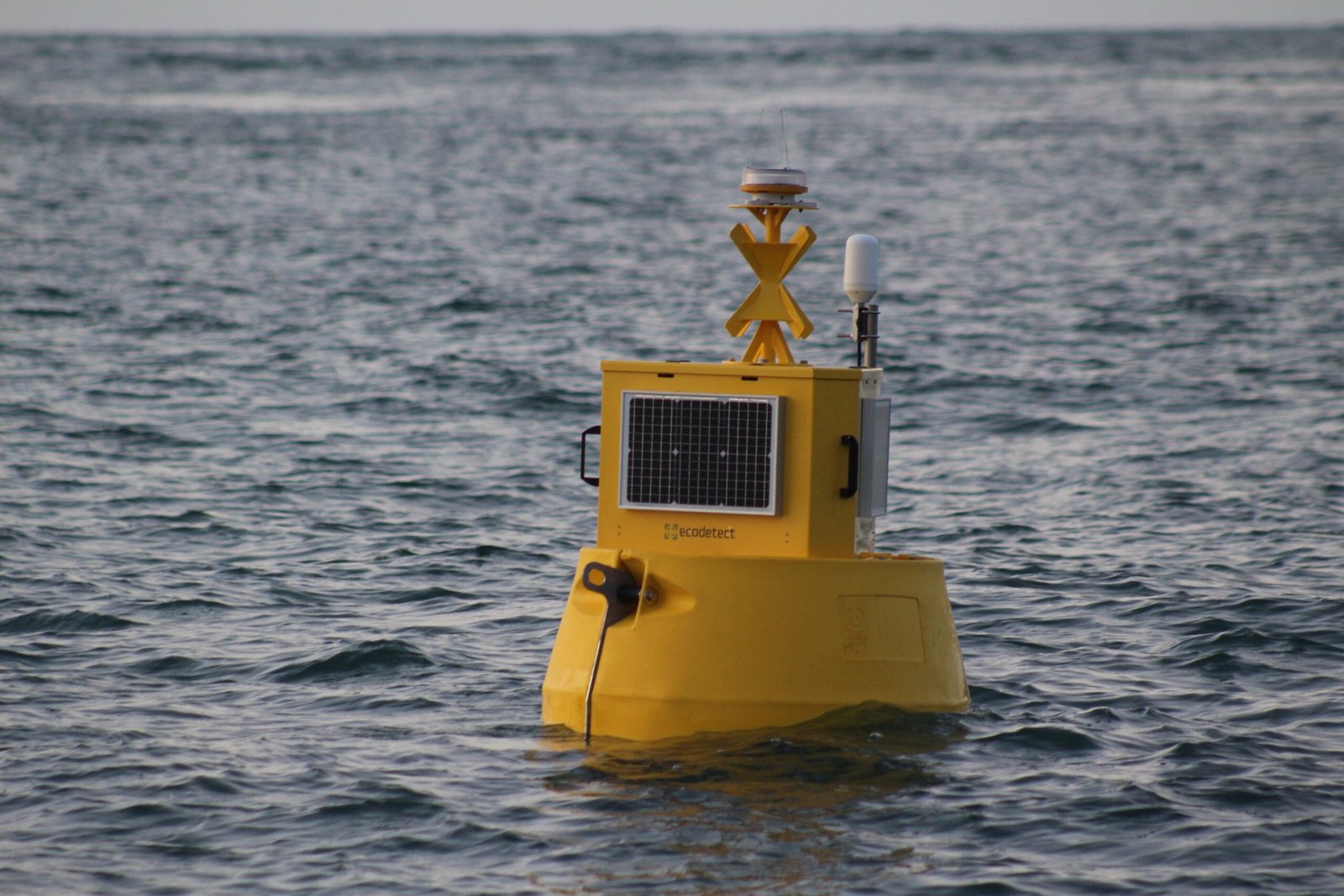
The deployment of this technology marks a significant shift in how marine renewable energy infrastructure manages its coexistence with wildlife. By utilizing sophisticated sensory equipment, the system is designed to automatically detect and distinguish between various marine species, including dolphins, seals, diving seabirds, and fish populations. Furthermore, the AI software is capable of processing complex underwater data, including the movement of seaweed debris and algae, which can often interfere with monitoring equipment or generate false positives in traditional surveillance systems.
The mechanism operates through a specialized communications network that relays processed environmental data directly to the project’s control hub. Should the sensors detect protected or at-risk wildlife approaching the tidal turbines, operators are equipped with the capability to trigger immediate mitigation protocols. This proactive approach allows for the dynamic management of turbine operation, potentially slowing or pausing devices to prevent harm to marine life, thereby setting a new industry standard for conservation-conscious energy production.
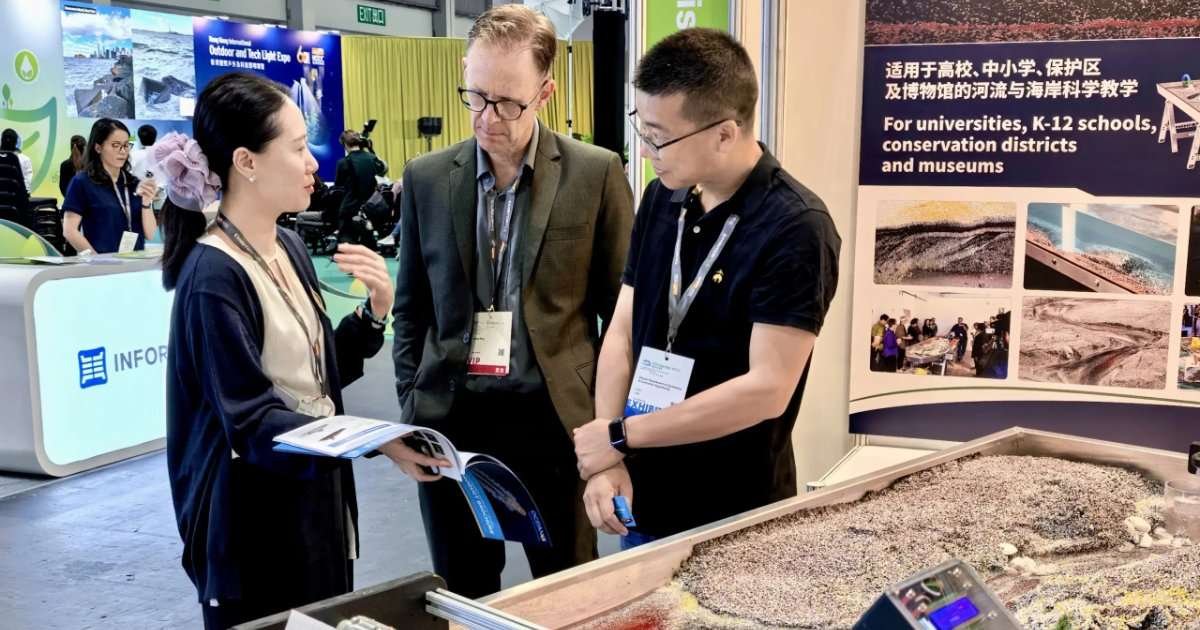
Andy Billcliff, Chief Executive of Menter Môn Morlais Ltd, emphasized both the environmental and economic significance of the initiative. The monitoring technology is being supplied by Ecodetect, a tech firm based on Anglesey. “It is great that the project will embed state-of-the-art environmental monitoring, supplied by Ecodetect, an innovative tech company also based on Anglesey,” Billcliff stated. “This is a superb example of local sourcing, which will bring further momentum to the North Wales economy, generating new jobs and social value.”
Beyond the immediate protection of marine habitats, the data collected by the AI-driven system serves a vital regulatory purpose. As the tidal energy industry scales, developers face stringent oversight regarding environmental impact assessments. The high-fidelity data generated by the Morlais site will act as a primary evidence base, demonstrating the project’s ongoing compliance with complex UK, EU, and international environmental laws and standards. By providing transparent and continuous reporting, Menter Môn aims to establish a repeatable model for how renewable energy projects can operate in harmony with protected marine ecosystems.
The integration of these systems is timely, as the Morlais project prepares for its next phase of development. Following years of planning and permitting, the site is slated for the deployment of its first tidal energy device in 2027.
As Europe accelerates its transition toward net-zero energy, the Morlais project represents a critical test case. The successful combination of tidal power generation and AI-enhanced monitoring could provide the blueprint for future marine energy developments across the globe. By proving that clean energy extraction does not need to come at the expense of ecological health, Menter Môn is positioning North Wales at the forefront of the global blue economy, balancing the pressing need for sustainable power with the imperative of environmental stewardship.
Disclaimer: This content is auto-generated for informational purposes only.
Source: Read Original News