







India Monitoring Regional Geopolitical Shifts Following High-Level Tehran Talks
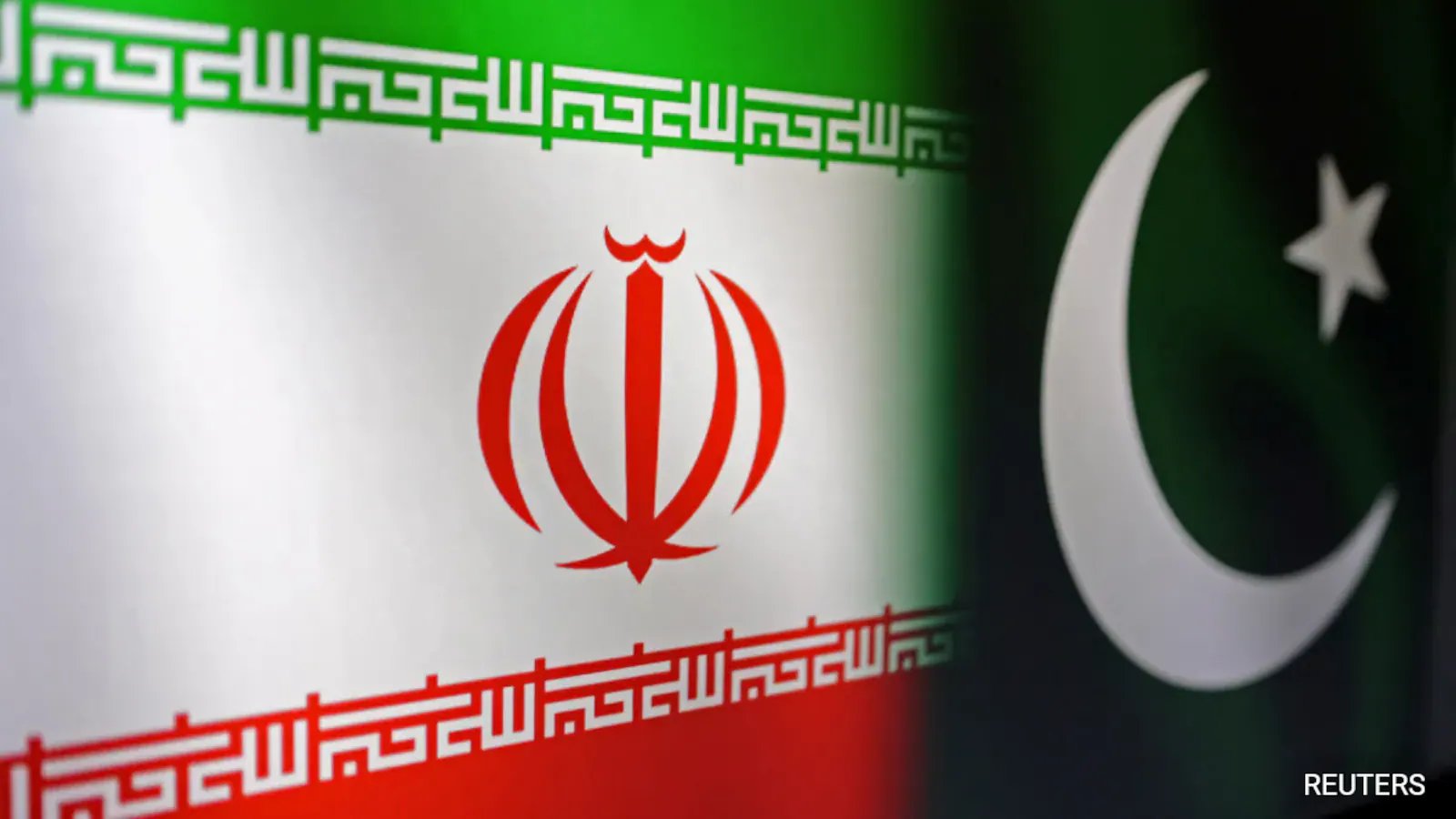
New Delhi: The Indian government is maintaining a vigilant watch over shifting geopolitical dynamics in the Middle East following reports of a sensitive diplomatic summit in Tehran. The meeting, which reportedly involved high-ranking officials from Saudi Arabia, Iran, Turkey, and Pakistan, has signaled a potential reconfiguration of regional alliances as Iran seeks to assert itself as a primary mediator in local conflicts.
Tracking Regional Stability
Ministry of External Affairs (MEA) spokesperson Randhir Jaiswal addressed the developments during a press briefing on Wednesday. When questioned about the implications of the Tehran gathering, Jaiswal emphasized that New Delhi remains observant of all significant geopolitical activity that could influence its strategic interests.
“We closely follow all significant geopolitical developments taking place in the region that have a bearing on our interests,” Jaiswal stated.
Intelligence reports, corroborated by international media outlets, suggest that the primary agenda of the Tehran talks centered on de-escalating the long-standing tensions between Saudi Arabia and the Houthi rebels in Yemen. Speculation has emerged regarding a Saudi proposal to offer financial assistance to the Houthis in exchange for a cessation of attacks, with some reports citing a potential $1 billion transfer, though this figure remains unverified by independent sources. By hosting these discussions, Iran appears to be positioning itself as a central facilitator for stability, a move that is being closely scrutinized by regional powers and the international community alike.
Focus on Maldives and Regional Partnerships
Beyond the Middle East, the MEA also addressed questions concerning India’s immediate neighborhood, specifically the strengthening of ties between the Maldives and Pakistan. The discourse followed Maldivian President Mohamed Muizzu’s recent visit to Islamabad, where his administration reportedly signed nearly 20 bilateral agreements.
Jaiswal reiterated India’s commitment to its “Neighbourhood First” policy and the SAGAR (Security and Growth for All in the Region) vision, characterizing the Maldives as a vital partner. While he signaled that New Delhi is eager to continue cultivating friendly, mutually beneficial relations with Malé, he underscored that India remains perpetually mindful of any regional developments that might impact its own national security interests.
Stance on Pakistan Remains Unwavering
During the briefing, the MEA spokesperson also clarified the government’s position regarding diplomatic engagement with Pakistan. Amid inquiries about whether India might consider a policy shift or a review of its current approach toward Islamabad, Jaiswal was unequivocal.
He asserted that the policy framework established by New Delhi in the wake of the 2019 Pulwama terror attack remains firmly in place. India’s diplomatic stance, which has effectively seen an absence of High Commissioner-level representation between the two nations for nearly a decade, continues to be characterized by caution and a firm demand for accountability regarding cross-border terrorism.
As geopolitical alignments continue to shift, the MEA’s comments reflect a policy of calculated observation—balancing the desire for regional stability with a steadfast adherence to national security priorities.
Disclaimer: This content is auto-generated for informational purposes only.
Source: Read Original News