









Autonomous Innovation at Eco Expo Asia 2026: OceanAlpha Redefines Marine Environmental Monitoring
HONG KONG — As global industries pivot toward smarter, more sustainable practices, the role of robotics in environmental stewardship has moved to the forefront of international discourse. At Eco Expo Asia 2026, held at the AsiaWorld-Expo from October 26–29, OceanAlpha is setting a new benchmark for aquatic operations by showcasing its latest generation of intelligent uncrewed surface vessels (USVs). By integrating advanced autonomous navigation with multi-sensor payloads, the company is demonstrating how robotic platforms are becoming essential tools for modern water quality management and marine ecosystem protection.
For environmental agencies and private stakeholders, the challenge of maintaining accurate, real-time data collection across vast water bodies has long been hindered by high labor costs, logistical complexities, and safety risks. OceanAlpha’s presence at this year’s expo signals a shift toward a more automated future. The company’s USV platforms are engineered to perform complex, repetitive, and potentially hazardous tasks—such as water quality sampling and seabed mapping—without the constant need for onboard personnel.
“The demand for efficient, high-fidelity environmental monitoring has reached a critical juncture,” noted representatives at the OceanAlpha booth. By utilizing autonomous technology, researchers and engineers can now conduct routine operations with a precision that manual efforts cannot replicate. This transition not only boosts operational efficiency but also ensures that environmental monitoring remains consistent regardless of the scale or conditions of the aquatic environment.
The multifunctional nature of the USVs on display underscores the versatility of modern marine robotics. OceanAlpha’s platforms are equipped with integrated sensors that allow for a “one-vessel” approach to data collection. These USVs are capable of navigating challenging terrains while simultaneously performing automated water sampling, geophysical exploration, and high-resolution bathymetric surveys. By consolidating these functions into a single, intelligent platform, OceanAlpha provides a streamlined solution for organizations focused on restoring aquatic ecosystems and monitoring pollutants in both coastal and inland waters.
One of the primary benefits highlighted during the expo is the reduction of human risk. Conventional waterborne operations often expose researchers to volatile weather, hazardous water quality, and the inherent dangers of working in remote maritime environments. The deployment of USVs shifts these risks to the machine, allowing for “over-the-horizon” operations and continuous data collection that can span days without the fatigue associated with human-crewed missions. This shift not only protects personnel but also enables a greater frequency of data collection, providing a clearer, longitudinal view of environmental changes.
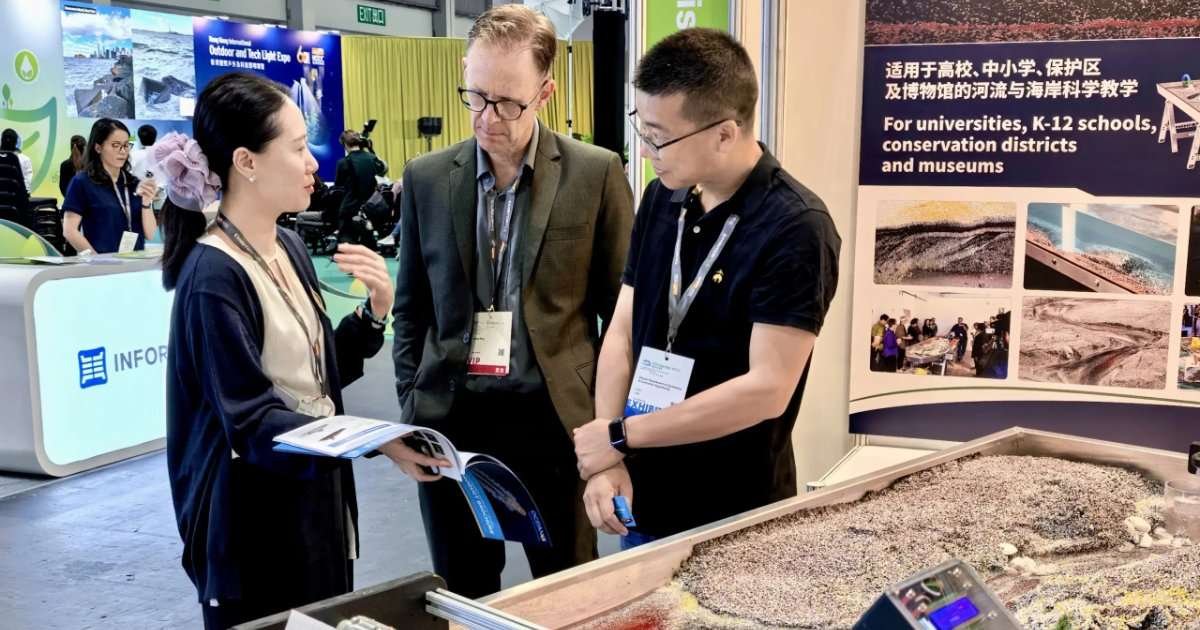
As Eco Expo Asia continues to serve as a hub for green innovation, OceanAlpha’s demonstrations have drawn significant interest from professionals in water resource management, civil engineering, and environmental surveying. The company is leveraging the event to foster collaborations with potential partners who are looking to upgrade their legacy environmental monitoring systems. By offering a platform that combines intelligent mission systems with robust autonomous navigation, OceanAlpha is positioning itself as a vital link in the chain of global sustainability efforts.
The integration of such technologies into standard environmental practices marks a pivotal step toward smarter marine management. As regulatory bodies and environmental organizations face mounting pressure to provide accurate, data-driven responses to climate change and pollution, tools that offer reliable, autonomous, and high-frequency monitoring are becoming indispensable. Through its participation in Eco Expo Asia 2026, OceanAlpha is not merely showcasing hardware; it is advocating for a technological evolution in how the global community observes, measures, and protects its most precious aquatic resources.
Disclaimer: This content is auto-generated for informational purposes only.
Source: Read Original News