









The U.S. Department of Energy (DOE) has announced a significant investment in the future of the tribal workforce, earmarking $2.3 million for two major tribal colleges. This funding, part of a broader $11.1 million initiative known as the Partnerships for Academic-Industry Career Training (PACT), is designed to bridge the gap between academic education and the urgent demands of the modern energy and infrastructure sectors.
## Empowering Tribal Colleges Through Specialized Training
The PACT initiative is focused on developing hands-on, industry-recognized credentialing programs that address regional workforce needs across coal, oil, natural gas, and geothermal energy sectors. By working through TechWerx—an intermediary partner under the DOE’s Office of Technology Commercialization—the department aims to modernize how students are prepared for high-stakes technical roles.
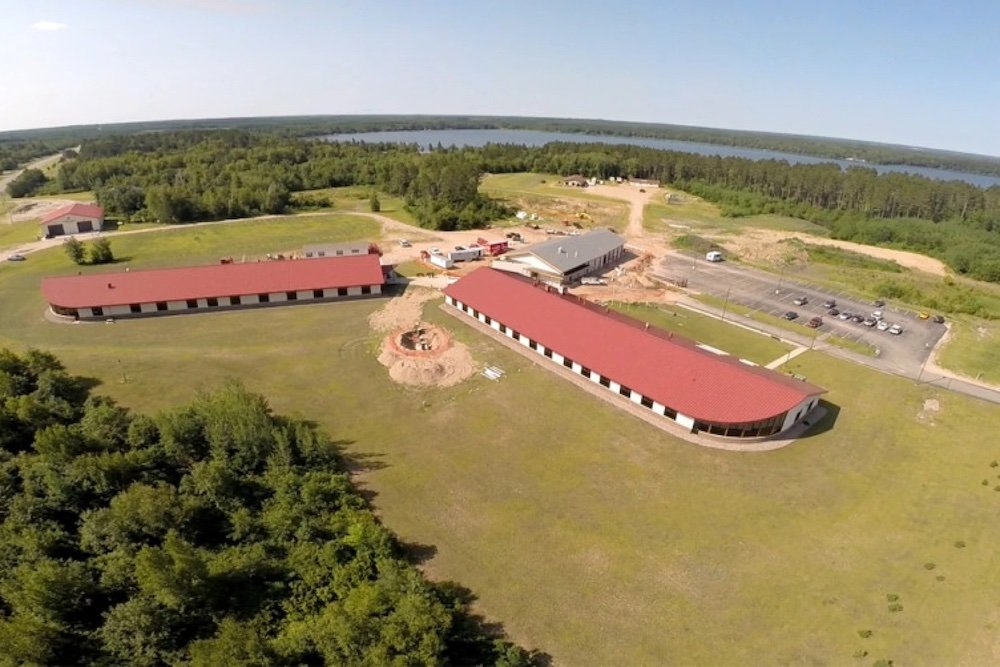
Leech Lake Tribal College in Cass Lake, Minnesota, stands to receive $2 million to spearhead a new geospatial technologies certificate program. This curriculum will be deeply rooted in Geographic Information Systems (GIS), infrastructure monitoring, and cybersecurity—skills that are increasingly essential as energy providers migrate to digital management systems. Furthermore, the college plans to integrate geothermal energy instruction into its existing carpentry program, ensuring that students are not only versed in traditional building skills but also equipped to contribute to sustainable, modern energy solutions.
Navajo Technical University, located in Crownpoint, New Mexico, has been earmarked for $299,934. In collaboration with Arizona State University, the institution intends to build a new laboratory focused on nondestructive and ultrasonic testing. These programs are vital for training technicians who can ensure the safety and integrity of pipelines, utility grids, and manufacturing assets. By mastering these inspection technologies, students will be qualified for high-demand roles that support critical energy infrastructure across the country.
## The Role of Modern Technology and Data in Energy
While the core of these programs focuses on traditional energy sectors, the integration of advanced technology—such as geospatial mapping, data monitoring, and AI-driven quality assurance—reflects a broader shift in the global energy market. As the sector transitions, the demand for workers who can manage complex software platforms alongside manual engineering tasks has surged.
The DOE’s focus on these specific colleges highlights a strategic effort to foster tribal self-determination. By bringing high-level technical certification directly into tribal communities, the government is reducing the “brain drain” and ensuring that local talent is prepared to manage the energy infrastructure projects occurring on or near tribal lands. According to Eric Mahroum, director of the DOE’s Office of Indian Energy Policy and Programs, these institutions are uniquely positioned to serve as hubs for workforce development, creating a sustainable pipeline of talent that understands the intersection of energy technology and sovereign community needs.
## Broadening the Horizon for Tech-Driven Infrastructure
The PACT initiative is an example of how government funding is evolving to mirror the demands of the modern “smart” economy. It is no longer enough to train workers in manual labor alone; the modern energy industry requires a workforce that is tech-literate, capable of managing cybersecurity risks, and proficient in data-driven decision-making.
As these two colleges move into the final stages of funding negotiations, the focus remains on building long-term career pathways. By linking classroom learning to the real-world operational requirements of energy firms, the initiative aims to provide students with the certifications necessary to thrive in an increasingly digitized landscape. This investment represents more than just a financial boost; it is a commitment to ensuring that tribal workers remain at the forefront of the nation’s energy transition, backed by the latest in technological training and industry-standard oversight.
Disclaimer: This content is auto-generated for informational purposes only.
Source: Read Original News