







A New Standard for Wearable Computing
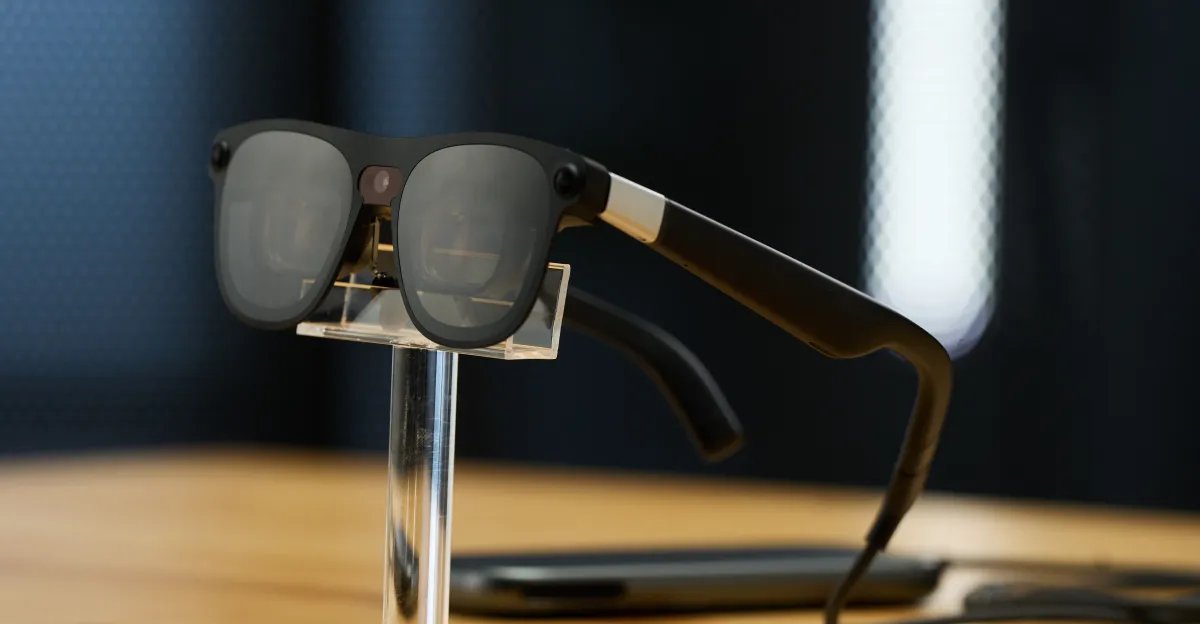
The landscape of extended reality (XR) hardware is undergoing a significant shift as Xreal and Google officially launch the Aura, a pair of lightweight, tethered smart glasses designed to bridge the gap between traditional displays and immersive computing. Weighing in at a mere 95 grams, the device is engineered for extended wearability, focusing on the comfort typically associated with standard eyewear while maintaining the processing power of a dedicated mobile XR unit.
The release of the Aura marks a notable departure from the current trajectory of high-priced XR hardware. In a strategic move, Xreal has reduced the launch price of the device. Initially pegged at $1,279 for early preorders, the 12GB RAM and 256GB storage model is now available for $1,099. This pricing adjustment extends to the high-capacity 16GB RAM and 512GB storage model, which is now retailing at $1,299. For those who secured early preorders at the higher price, the company has confirmed an automated refund process, ensuring that all early adopters receive the benefit of this updated, lower entry price point.
Technical Architecture and Tethered Connectivity
The Xreal Aura differentiates itself through a tethered architecture. By separating the primary compute resources into a dedicated external puck, the designers have successfully minimized the thermal and weight constraints often found in all-in-one headsets. This external unit, powered by Android XR, serves as the engine for the device, enabling a high-performance, low-latency experience that allows users to project multiple virtual screens into their field of view.
Connectivity is handled via a versatile USB-C interface. This port allows for seamless integration with external hardware, such as gaming consoles or portable computers. When connected, the Aura acts as a spatial display, mirroring external outputs while simultaneously managing the virtual window environment generated by the onboard Android XR software. This hybrid approach caters to professionals who require multiple monitors and entertainment enthusiasts seeking a large-screen experience without the bulky physical footprint.
Software Integration and the Gemini AI Interface
At the core of the Aura experience is a deep integration with Google’s software ecosystem, most notably the Gemini AI platform. The system allows users to interact with their environment using voice or gesture commands to query the AI about objects or scenes viewed through the glasses. This contextual awareness represents a step forward in how users can extract information from their physical surroundings, turning the glasses into a real-time data assistant.
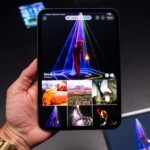
Complementing this, Google has updated its software suite to be spatial-native. The most prominent addition is the spatial gallery within Google Photos. This interface allows users to navigate their image and video libraries through a three-dimensional, wraparound display. Users can gesture through their files, transitioning from broad chronological views of an entire year down to specific days, and finally opening individual memories in a 3D format. This feature transforms static media into an interactive, room-scale exploration.
Ecosystem Expansion and Productivity Accessories
To support the transition toward a purely spatial desktop, Xreal is rolling out a series of hardware accessories designed to augment the user’s input capabilities. Recognizing that text-based work and gaming are central to the user experience, the company is introducing a dedicated folding portable wireless keyboard. This peripheral is intended to provide a tactile interface for the virtual windows generated by the glasses, mitigating the limitations of touch-based or voice-only input for document creation and coding.
Furthermore, a partnership with GameSir has produced a wireless gamepad specifically optimized for the Aura. Beyond standard gaming functionality, this controller includes a dedicated Gemini key, providing instant access to the onboard AI without breaking the immersion of a gaming session. The controller also features modular hardware elements, including swappable D-pads and a specialized charging dock, ensuring that the peripheral remains ready for extended sessions. While specific pricing and availability for these accessories remain forthcoming, their integration underscores the effort to make the Aura a comprehensive workspace solution rather than a mere media display.
Content Ecosystem and Market Availability
A device is only as effective as the software available to it, and the Aura is entering the market with a robust library. Xreal and Google have announced over 150 applications specifically designed for the XR environment at launch. This content ranges from productivity tools to immersive media experiences. High-profile additions include interactive films, such as the Andrew Serkis-led production “Nevatars” and the environmental documentary “Galapagos: the Last Eden,” both of which utilize the spatial capabilities of the hardware to envelop the viewer.
The product is currently available for purchase in the United States, Canada, and South Korea, with shipping expected to commence in mid-November. The rollout will expand to the Japanese market on November 2, with plans for broader global distribution scheduled for the coming year. By moving away from exclusive reservation systems and toward standard retail channels, the companies are aiming to normalize the availability of XR hardware, positioning the Aura as a consumer-grade technology rather than a niche research project. As the market matures, the combination of aggressive pricing, software compatibility, and a focus on portability suggests that the Aura could serve as a benchmark for the next generation of wearable displays.
Disclaimer: This content is auto-generated for informational purposes only.
Source: Read Original News