








Embracing the Autumn Shift
As the days draw in and the air turns crisp, there is a distinct shift in the natural world. While many of us start reaching for thicker sweaters and warmer beverages, our gardens are busy transitioning, too. Autumn is a season of transformation, marked by a vivid tapestry of falling leaves, earthy scents, and the return of some of our favorite feathered friends. Instead of rushing to tidy every corner of your outdoor space, consider taking a moment to appreciate the changes. This is the time to slow down, lean into the rustic charm of the season, and prepare your sanctuary for the colder months ahead.
The Robin: A Garden Companion
Among the many birds that grace our gardens, the robin is perhaps the most iconic. With its bright chest and lively personality, it is a fixture of winter folklore and festive imagery. While they appear sweet and delicate, robins are surprisingly spirited creatures, fiercely protecting their territory against intruders. Watching them hop through the foliage is one of the simple joys of the season. To make your space truly welcoming for these lively visitors, it is time to rethink your garden maintenance routine. By choosing a more relaxed approach, you can turn your backyard into a bustling hub of activity.
Why Messy Gardens Are Better
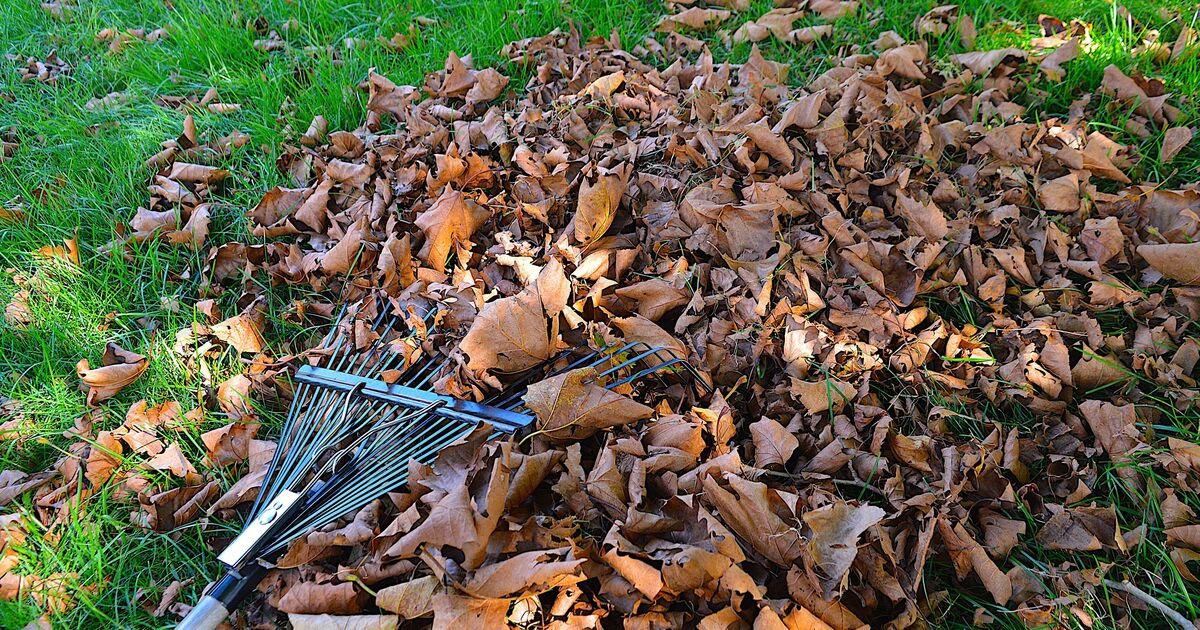
If you are the type of person who loves a pristine, raked lawn, you might want to reconsider your autumn habits. There is a strong case to be made for leaving fallen leaves where they land. Rather than clearing them away immediately, view them as a natural carpet. These piles of debris act as essential shelters for spiders, woodlice, and various insects. By leaving them, you are essentially cultivating a miniature food forest for the birds. It creates a self-sustaining ecosystem that keeps your garden birds well-fed without you needing to do much heavy lifting. It is a win for the local wildlife and a great excuse to put down the rake and enjoy a warm drink instead.
Curating the Perfect Bird Menu
Robins can be a little particular about their dining habits. Because of their petite beaks, the chunky seeds found in standard bird food mixes can be a struggle for them. To really look after your garden guests, consider being more selective with what you offer. Planting spindle shrubs is a fantastic way to provide a natural, long-term food source. The berries offer a nutritious snack, while the shrub itself attracts the insects that robins crave. For an extra boost during the chilly days, consider setting out suet cakes or mealworms. These high-energy treats help them maintain their stamina when temperatures plummet.
Clever Tricks for a Pest-Free Space
Of course, once you start providing food, you might find that you attract some uninvited guests, such as squirrels. Managing these visitors is a classic challenge for anyone who enjoys birdwatching. Beyond the standard advice of using baffles or keeping the area under your feeders tidy, there is a brilliant hack you can try using something you likely already have in your kitchen: coffee.
If you have a daily caffeine ritual, save your used grounds. Spreading a thin layer of these grounds around the base of your bird feeder can act as a natural deterrent. Many pests find the pungent aroma of coffee quite unpleasant and will prefer to steer clear. As a secondary benefit, as the grounds eventually break down, they provide a boost of organic matter and nutrients back into your soil. It is a resourceful way to keep your bird sanctuary focused on the birds while giving your garden soil a little extra love. By working with nature rather than against it, you can create a cozy, flourishing autumn retreat that you and your feathered friends will enjoy throughout the season.
Disclaimer: This content is auto-generated for informational purposes only.
Source: Read Original News