









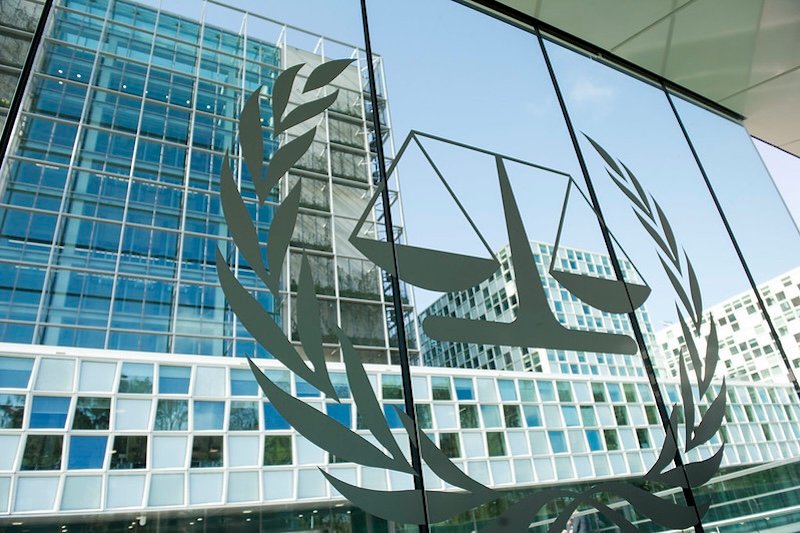
THE HAGUE — On September 22, 2026, the International Criminal Court (ICC) officially launched its Gender Equality and Enabling Environment Strategy 2026-2029, marking a significant step in the institution’s ongoing efforts to institutionalize diversity and foster a more inclusive workplace. The new framework arrives at a pivotal moment for the Court, building directly upon the foundations laid by the previous Gender Equality and Workplace Culture Strategy (2023-2025) and addressing critical systemic feedback from both internal staff and external evaluators.
The impetus for this strategic shift stems from a concerted effort to remediate long-standing cultural issues identified in the 2020 Independent Expert Review. That review, which scrutinized the Court’s operational and administrative health, served as a catalyst for a series of internal surveys designed to gauge employee sentiment. Recent data suggests that these reforms are yielding tangible results: the 2025 Staff Engagement Survey revealed that 68 percent of respondents believe the ICC genuinely values diversity and inclusion—a notable 11-percentage-point increase compared to 2023 levels. Furthermore, the Court has achieved a milestone in representative staffing, with women accounting for 52 percent of the workforce by the close of 2024.
Despite these advancements, the ICC leadership has emphasized that the new strategy is not merely a continuation of past policies, but a more robust mechanism for accountability and cultural evolution. The 2026-2029 Strategy is anchored by three primary pillars designed to transform the daily experience of the Court’s international staff.
The first pillar prioritizes the creation of safe and gender-responsive professional processes. To achieve this, the Court is strengthening its internal mechanisms for addressing discrimination and harassment. A key component of this initiative is the establishment of a fully independent ethics function, designed to provide a layer of oversight removed from traditional reporting hierarchies. This is being complemented by a series of mandatory training programs aimed at ensuring all personnel are equipped to recognize and mitigate bias in their professional interactions.
The second pillar focuses on the pragmatic realities of human capital management, specifically regarding gender-equitable work-life balance. Recognizing the global nature of its work, the ICC is looking to modernize its operational framework through enhanced flexible working arrangements and streamlined parental leave policies. These measures are intended to improve overall staff well-being and reduce the attrition often associated with the high-pressure environment of international legal proceedings.
The third pillar targets the leadership pipeline. To advance gender parity and diversity at higher levels of governance, the ICC is implementing targeted recruitment strategies, expanded mentorship programs, and proactive staff mobility initiatives. By formalizing these pathways, the Court intends to ensure that its leadership reflects the diversity of the international community it serves.
Accountability for these ambitious goals will be managed through a centralized coordination structure, with the ICC Focal Point for Gender Equality overseeing implementation. However, the Court has emphasized that institutional stakeholders remain individually responsible for executing the strategy within their respective mandates.
To ensure transparency throughout the four-year period, the ICC has committed to a rigorous monitoring schedule. Progress will be tracked through annual reporting, allowing the institution to pivot as necessary based on ongoing feedback. A final, comprehensive implementation report is scheduled to be released in 2029, which will serve as the primary metric for assessing whether the strategy has successfully fostered a truly inclusive and equitable environment at the seat of international justice.
Disclaimer: This content is auto-generated for informational purposes only.
Source: Read Original News