








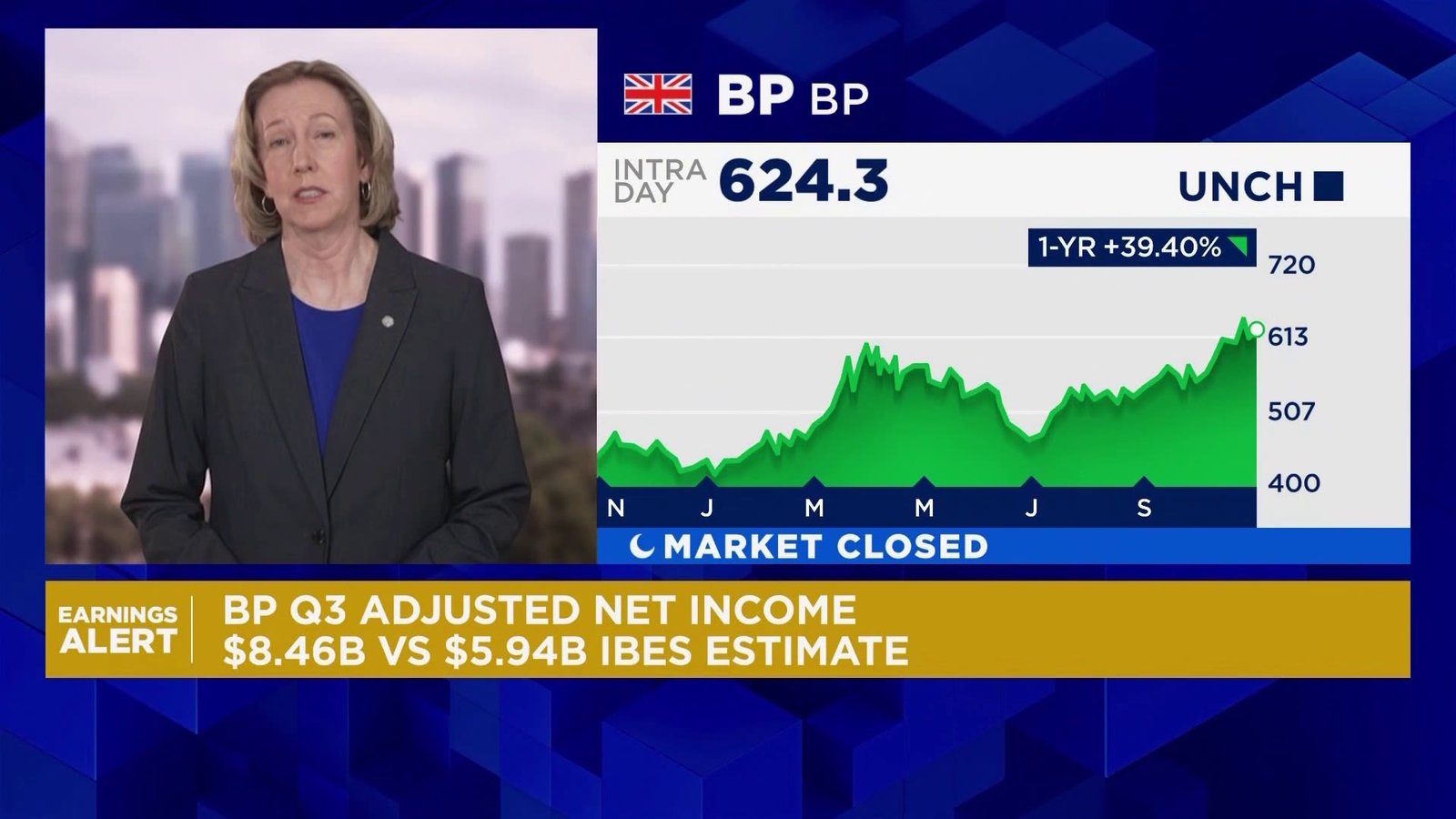
The global energy sector remains in a state of flux as major oil and gas players post robust third-quarter earnings, underscored by the ongoing geopolitical instability in the Middle East. BP, one of the world’s “supermajors,” reported a significant jump in profits this quarter, reigniting the broader conversation regarding the disconnect between surging corporate windfalls and the urgent international imperative to accelerate the transition to renewable energy.
During an appearance on CNBC’s Squawk Box Europe, BP CEO Meg O’Neill addressed the company’s recent financial performance, attributing the increase in profits to a volatile market environment. As conflict in the Middle East persists, energy markets have experienced heightened pricing sensitivity. For fossil fuel giants, these market dynamics frequently translate into substantial gains, as supply chain anxieties keep commodity prices elevated.
While the financial results have pleased shareholders, environmental advocates and policy analysts are pointing to the broader implications of these profits. The surge in earnings comes at a time when the Intergovernmental Panel on Climate Change (IPCC) continues to stress that the world must drastically reduce its reliance on hydrocarbons to meet the targets set by the Paris Agreement. Critics argue that these high-profit cycles provide the capital necessary for companies to pivot aggressively toward carbon neutrality, yet much of the revenue remains tied to traditional extraction activities.
For BP, the challenge lies in balancing investor expectations for high returns—which have historically been driven by oil and gas—with its publicly stated commitment to becoming an “integrated energy company.” The company has faced internal and external pressure in recent years to refine its net-zero strategy. In early 2023, the firm adjusted its targets, slowing its planned reduction in oil and gas output to ensure energy security and profitability amid shifting global demands. This recalibration drew fire from environmental groups who argue that any expansion of fossil fuel production is incompatible with a habitable climate future.
O’Neill’s recent comments highlight the complex role that traditional energy firms occupy during geopolitical crises. While the company maintains that it is investing in low-carbon technologies, such as hydrogen, biofuels, and electric vehicle charging infrastructure, the sheer scale of profits generated from conventional fuels underscores the world’s continued dependence on oil and gas. As energy markets fluctuate, the reliance on high-carbon revenue streams complicates the industry’s narrative of a “just transition.”
The ongoing windfall also raises questions regarding “windfall taxes” and corporate responsibility. With governments globally grappling with the economic costs of climate-related disasters—ranging from extreme weather events to infrastructure degradation—there is increasing political pressure to redirect a portion of these energy profits into green infrastructure and climate adaptation initiatives.
As the fiscal year draws to a close, BP and its peers face a bifurcated future. They must navigate a global energy landscape that simultaneously demands the stability of traditional hydrocarbons to keep power grids operational and the rapid innovation of renewables to mitigate long-term planetary warming. Whether these record-breaking earnings serve as the fuel for a genuine energy evolution or merely sustain the status quo remains the central point of contention for regulators, investors, and climate scientists alike.
For now, the company remains focused on operational efficiency and maintaining its market position in an unpredictable landscape. However, as the frequency and intensity of global environmental challenges increase, the pressure on energy giants to demonstrate that their financial success is not coming at the expense of the climate will likely only intensify.
Disclaimer: This content is auto-generated for informational purposes only.
Source: Read Original News