







The history of King Edward Medical College (KEMC) in Lahore serves as a profound case study for students of history, public health, and colonial policy. Established initially as the Lahore Medical School in 1860, it evolved into a pillar of medical education in undivided India. By 1911, the institution had been renamed to honor the British monarch, cementing its status as a flagship imperial campus. However, a deeper examination of its institutional structure reveals a complex story about the limitations placed on academic merit and professional equality under British rule.
## The Architecture of Colonial Medical Education
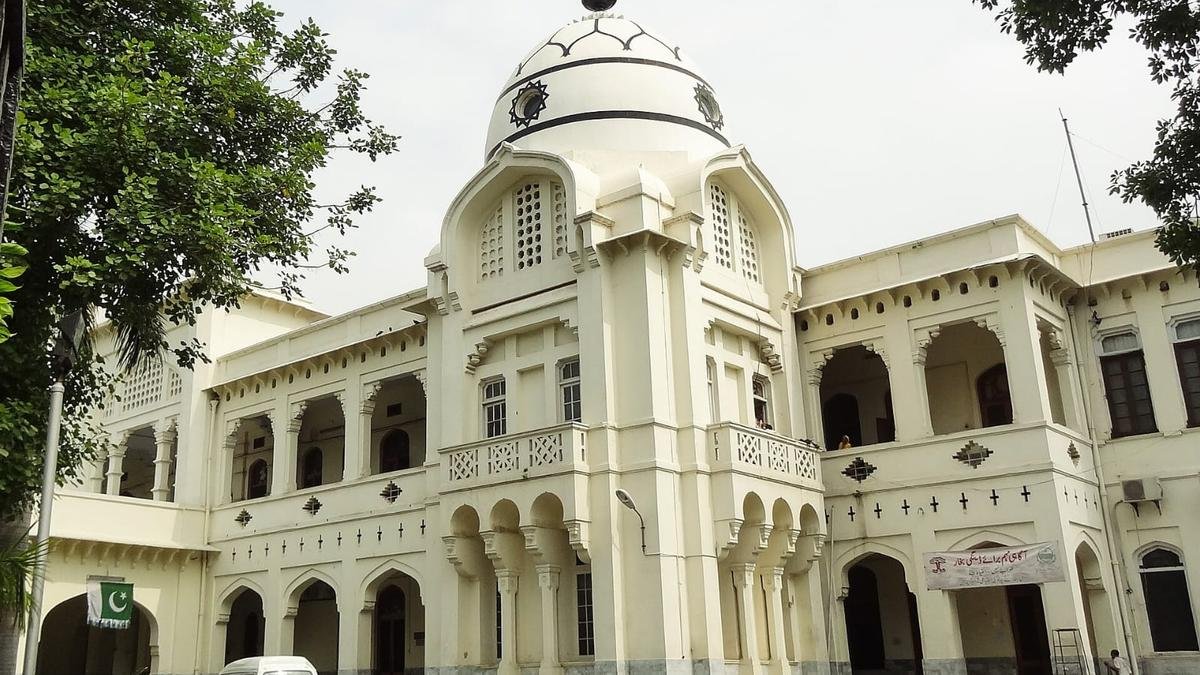
During the late 19th and early 20th centuries, the British administration designed medical institutions like KEMC to serve the logistical and health needs of the vast Punjab province. The physical campus, with its imposing red-brick architecture and organized quadrangles, was intended to mirror the prestige of European universities. However, these institutions were not merely sites of learning; they were extensions of imperial policy.
For students and historians alike, KEMC represents how colonial powers utilized education as a tool of governance. While the curriculum focused on scientific advancement and clinical training, the internal policies governing the faculty and the medical staff were strictly stratified. The goal was to train an auxiliary class of medical professionals—doctors who could manage the health infrastructure of the colony—without allowing them to attain true institutional parity with their British counterparts.
## The Glass Ceiling of Academic Hierarchy
The most striking feature of colonial-era medical education was the institutionalized racial hierarchy. Dr. Kavita Sivaramakrishnan, a public health historian and Assistant Professor of Sociomedical Sciences at Columbia University, notes that higher education at the time was fundamentally a “racialized enterprise.”
This reality presented a significant hurdle for Indian scholars. Despite their academic brilliance and technical proficiency, Indian medical professionals faced an invisible but rigid ceiling. Under the colonial structure, Indian practitioners could ascend to mid-level positions within hospitals and medical colleges, but the path to full professorship or elite administrative leadership remained almost exclusively reserved for British officials. This policy was not reflective of ability, but rather a deliberate administrative barrier designed to maintain colonial dominance over the medical hierarchy.
## Implications for Learning and Policy
The experience of scholars at KEMC raises critical questions regarding the intersection of policy, equity, and meritocracy. In the modern context, these historical lessons are vital for understanding how institutional biases can stifle intellectual growth. When an educational system prioritizes origin over acumen, it inevitably hampers the development of local expertise and limits the institution’s overall potential.
For modern students of public health policy, the history of KEMC illustrates the dangers of rigid institutional hierarchies. When policy becomes a tool for exclusion, the pursuit of scientific progress is compromised. The struggle of Indian medical pioneers at KEMC—who sought to gain professional recognition in an environment that viewed them as perpetual subordinates—reminds us that the pursuit of excellence requires an environment that rewards merit equally, regardless of social or national background.
## Legacy and Reflection
Today, the history of KEMC remains relevant in academic discussions about the “decolonization” of medical curricula and institutions. By analyzing how these spaces were built and restricted, contemporary researchers can better understand the historical currents that shaped current healthcare systems in South Asia.
As we reflect on the legacy of institutions like KEMC, it is essential to recognize the resilience of the local scholars who navigated these restricted spaces. Their contributions to medicine, made in spite of systemic barriers, laid the groundwork for the modern medical infrastructure that exists today. Studying the history of the college is not just an exercise in looking back at 19th-century brickwork; it is an investigation into the fundamental policies of merit and equality that continue to define the goals of global education in the 21st century.
Disclaimer: This content is auto-generated for informational purposes only.
Source: Read Original News