








FRANKFURT, Germany — The eurozone’s economic engine is displaying surprising stamina, defying gloomy forecasts even as geopolitical instability and energy-related pressures mount. Data released Friday by Eurostat reveals that the 21-member bloc achieved a 0.4% increase in gross domestic product (GDP) during the third quarter, handily outpacing the 0.2% growth anticipated by analysts. Year-over-year figures show a 1.3% expansion, signaling that the currency union is successfully navigating a precarious global landscape.
## Resilience in the Face of Geopolitical Conflict
The ongoing conflict between the United States and Iran has sent oil prices surging, creating a potential drag on international markets. However, European consumers and corporations appear to be weathering the storm. Jack Allen-Reynolds, deputy chief eurozone economist at Capital Economics, noted that businesses and households have yet to scale back spending significantly.
While the headline growth of 0.4% suggests broad stability, the underlying data highlights a fragmented recovery. Germany, the bloc’s industrial heart, eked out 0.2% growth despite significant logistical hurdles, including record-low river levels that hampered energy-intensive trade routes. France, conversely, contracted by 0.1% as lingering political gridlock over budget deficits rattled investor sentiment. Ireland provided a statistical anomaly, posting a 5.5% surge driven by its high concentration of multinational tech and pharmaceutical firms; when the Irish outlier is stripped away, the eurozone’s growth settles at a more modest 0.2%.
## The Persistent Shadow of Inflation
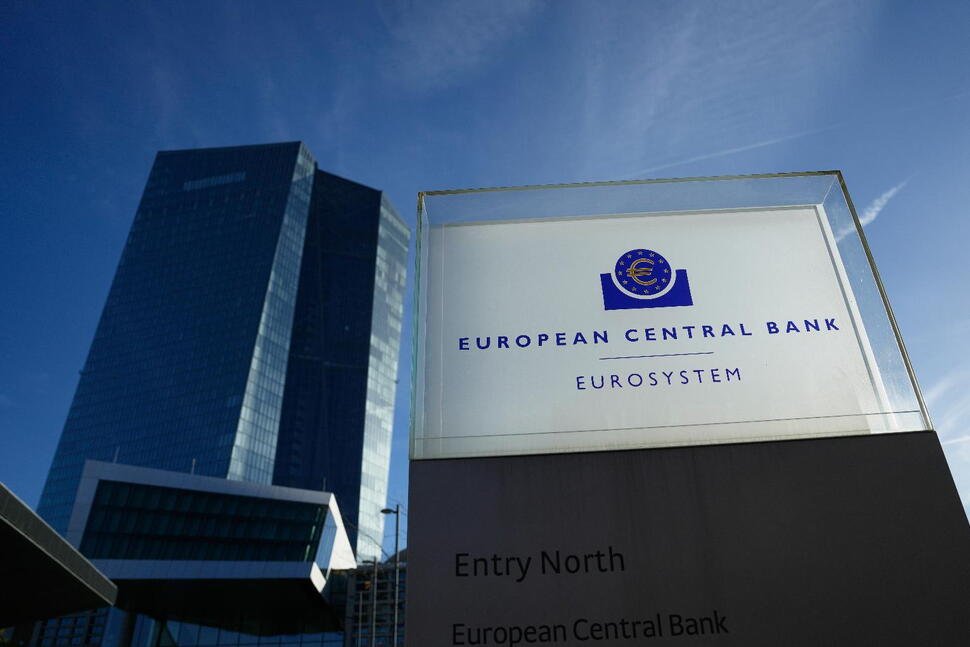
Despite the positive growth, the European Central Bank (ECB) remains in a difficult position. Inflation currently sits at 3.8%, nearly double the ECB’s 2% target. Economists are particularly concerned about “second-round effects,” where the recent spike in energy costs begins to bleed into broader wage negotiations and service-sector pricing.
Paolo Grignani of Oxford Economics emphasized that while the economy is resilient, the “worsening inflationary environment” cannot be ignored. With the ECB choosing to hold interest rates steady at its most recent meeting, market watchers are now bracing for a potential rate hike in December. Such a move would aim to cool prices, but it risks tightening borrowing costs for businesses that are already dealing with uneven growth across the member states.
## Tech and Digital Infrastructure Under Pressure
The volatility of the Irish GDP figure underscores how deeply the tech industry is embedded in the European financial narrative. As major global tech conglomerates navigate supply chain constraints caused by international conflicts and rising fuel costs, the European digital economy remains sensitive to these disruptions.
Industry analysts are closely monitoring how these macro-trends affect investment in digital infrastructure. As the ECB contemplates further interest rate hikes, the cost of capital for emerging tech firms and digital transformation projects across Europe may rise, potentially cooling the pace of innovation. For now, the eurozone is holding steady, but as the conflict in the Middle East continues to impact the global energy supply, policymakers face a narrow path: cooling the inflationary fire without extinguishing the fragile growth that has defined the summer months.
As the bloc prepares for the final quarter of 2026, the focus remains on whether household consumption can continue to offset the weight of energy prices and the uncertainty of regional security, or if the persistent inflationary pressure will finally force a cooling of the broader European economy.
Disclaimer: This content is auto-generated for informational purposes only.
Source: Read Original News