






The transition from the northeastern hills of India to the urban landscape of Israel is a journey defined not only by geography but by a complex process of academic and social integration. For thousands of members of the Bnei Menashe community—a group claiming descent from one of the lost tribes of Israel—migration is a life-altering event. However, for young students like 17-year-old Jessica, who arrived in April 2026, the transition has highlighted the critical importance of educational continuity and policy support in the immigrant experience.
The Challenge of Interrupted Education
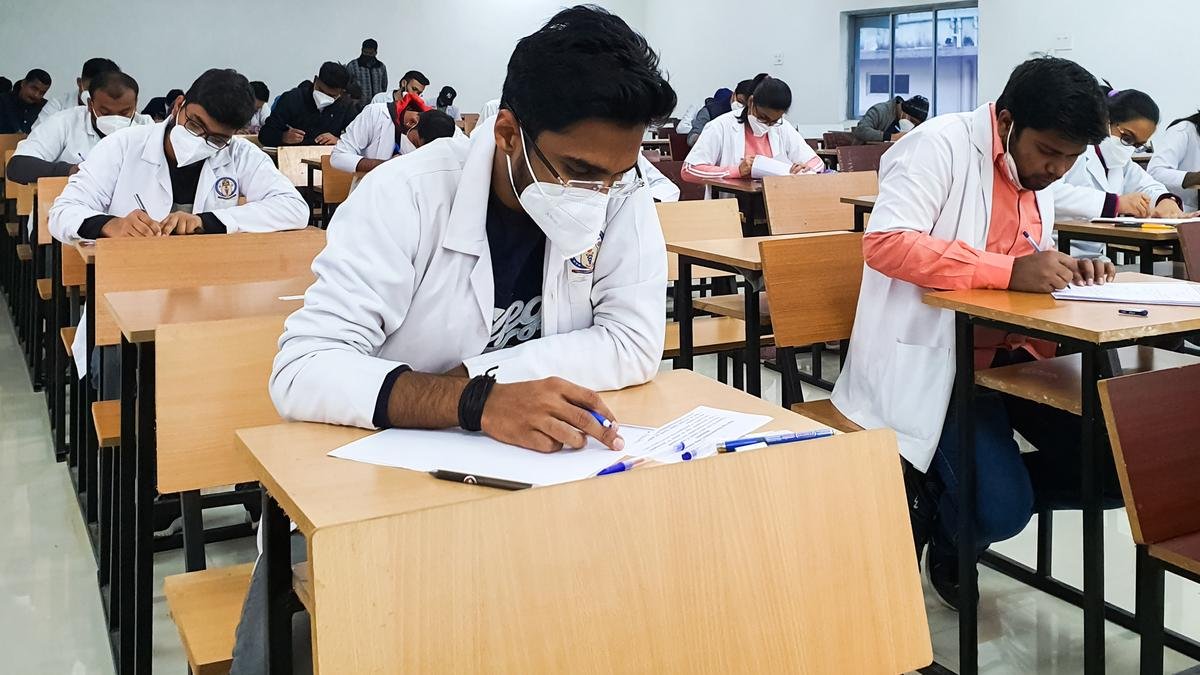
For many Bnei Menashe youth, the migration process often occurs during their formative high school years. In Jessica’s case, the move meant leaving behind her home in Manipur before she could sit for her Class 12 final examinations. This academic gap is a recurring issue for migrating students, whose secondary education is frequently paused by the logistical requirements of moving to a new country.
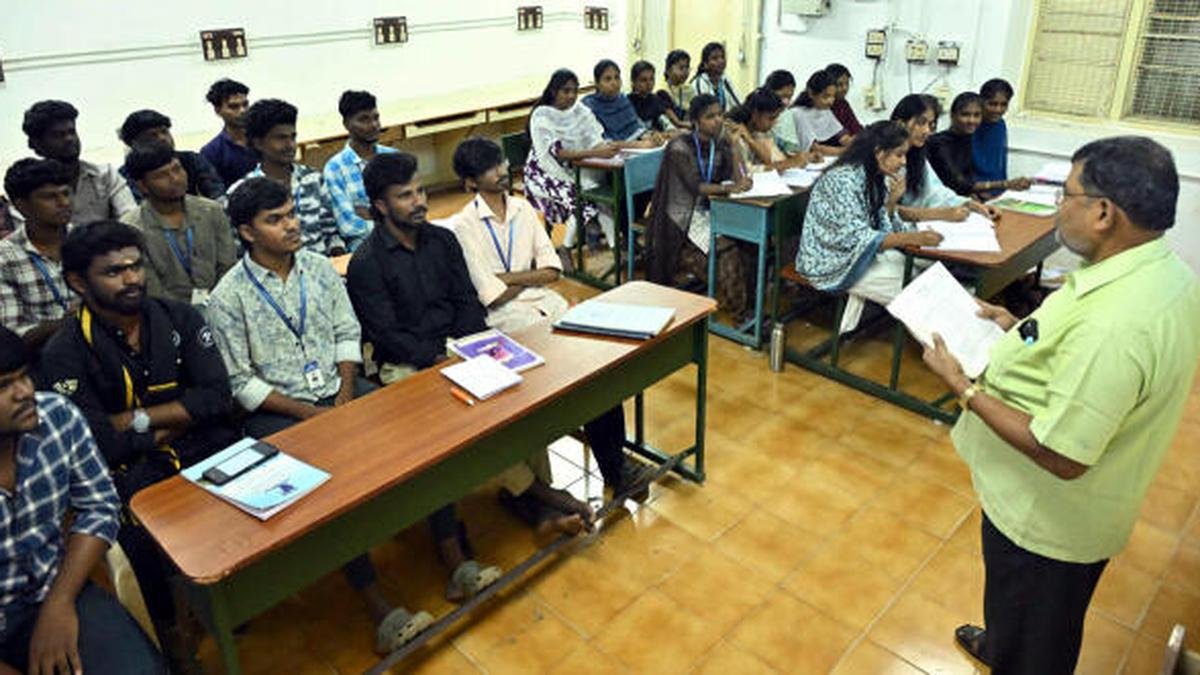
When these students arrive in Israel, they are faced with the daunting task of re-entering a formal education system that operates on a different curriculum and a different language. Without recognized certificates from their home state or board, students often find themselves forced to restart coursework or navigate complex administrative pathways to have their previous credits validated.
Language as a Primary Barrier
Beyond the formal curriculum, Hebrew proficiency stands as the most significant hurdle. Israel’s education system, from public high schools to vocational training institutes, is conducted primarily in Hebrew. For newcomers, language acquisition is not just a social tool but a prerequisite for academic survival.
Educational institutions in Israel often place these students in intensive language-learning programs, commonly known as Ulpan. These programs are designed to provide the linguistic foundation necessary for students to eventually integrate into mainstream Israeli classrooms. However, the intensity of learning a new language while simultaneously trying to understand high-school-level scientific and mathematical concepts creates a “double workload” that can lead to significant academic stress.
Policy and Educational Integration
The Israeli government and various NGOs work to facilitate the absorption of these immigrants, but the policy framework faces ongoing challenges. For the Bnei Menashe, the process of religious recognition is intrinsically tied to their status within the state, which in turn impacts their access to government-funded educational resources and scholarships.
Institutional support is vital. Experts argue that bridge programs are necessary to help students equate their Indian educational standards with the Israeli Bagrut (matriculation) exams. Without a structured policy to bridge these academic gaps, talented students risk being sidelined into vocational tracks that may not reflect their true potential or career aspirations.
Beyond the Classroom: Adapting to a New System
Adjusting to a new educational culture involves more than just passing exams. It requires adapting to a system that emphasizes critical thinking, debate, and direct communication—methods that may differ significantly from the pedagogy in some of their former schools in Manipur and Mizoram.
As more members of the Bnei Menashe community make the trek to Israel, the conversation is shifting toward sustainable integration. Educational planners are looking at how to better support students who arrive in the middle of a school year, advocating for flexible credit-transfer policies and culturally sensitive counseling.
For Jessica and her peers, the dream of a new life is inextricably linked to their ability to navigate these educational hurdles. As they trade textbooks from one continent for those of another, their success will depend on how effectively institutions can provide the tools they need to overcome the language barrier and recover the time lost in transit. For these students, the classroom is the first, and perhaps most important, frontier in their process of becoming fully settled in their new home.
Disclaimer: This content is auto-generated for informational purposes only.
Source: Read Original News