









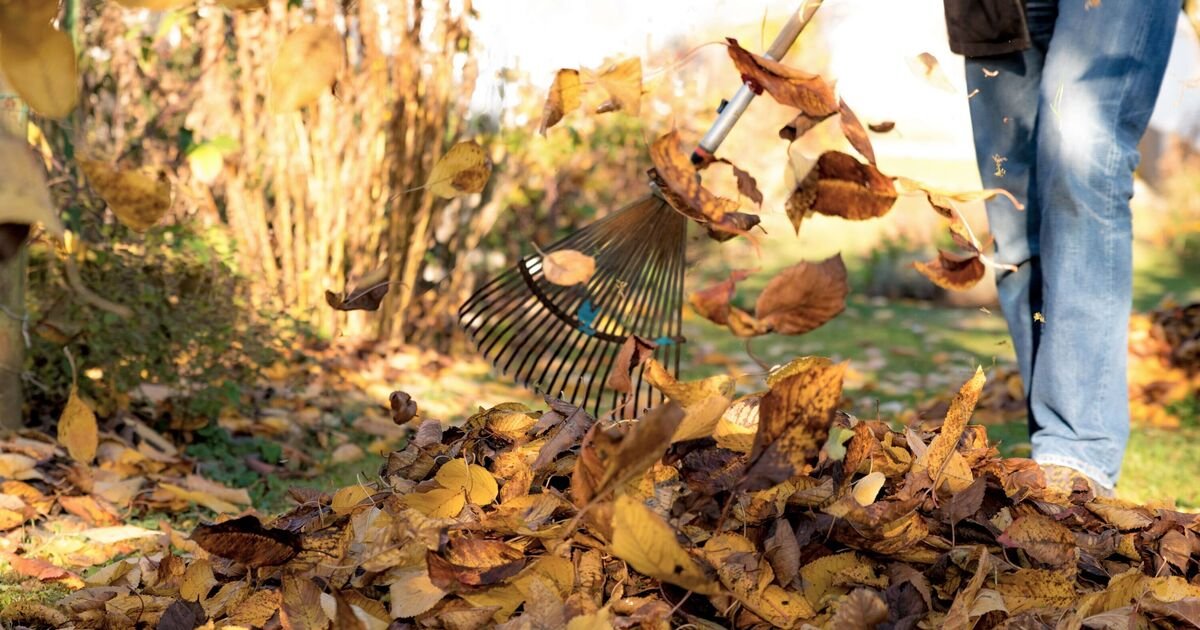
As the air turns crisp and the days grow shorter, our gardens undergo a dramatic transformation. The vibrant greens of summer give way to a palette of gold, burnt orange, and rustic brown. While seeing the trees shed their foliage creates a picturesque scene, it also signals a busy time for any green-thumbed enthusiast. Many of us see a lawn blanketed in leaves and immediately reach for the rake, but before you haul those bags to the curb, there is a better way to handle them.
The Importance of Clearing Your Lawn
It is tempting to leave a decorative layer of leaves across the yard, but your grass will not thank you for it. Lawns, even in the dormant months, require sunlight, air, and proper moisture levels to stay healthy. When a thick, wet layer of leaves settles over your turf, it acts as a suffocating blanket.
This barrier blocks essential sunlight, effectively stopping the grass from performing photosynthesis. Without that energy, the grass becomes weak, discolored, and prone to developing unsightly brown patches. Furthermore, wet leaves trap moisture against the soil surface. While moisture is good for plants, too much of it creates a soggy microclimate that invites moss growth and encourages fungal decay. By simply clearing your grass regularly, you ensure the lawn can breathe and survive the colder months without long-term damage.
Repurpose Your Garden Waste
The secret to a thriving garden is viewing those fallen leaves as a resource rather than trash. Horticultural experts, including those from the Royal Horticultural Society, suggest that you should not discard these natural treasures. Instead of sending them away, shift them to where they can provide actual benefits.
Take the time to rake the leaves away from your paths and lawn, and move them to the base of your trees and shrubs. When placed on soil patches, these leaves act as a natural mulch. They help the soil retain moisture, suppress weeds, and provide cozy shelter for local wildlife. It is the ultimate recycling project that works in harmony with the natural cycles of the seasons.
Creating Your Own Nutrient-Rich Leaf Mould
If you have a surplus of leaves, consider turning them into leaf mould. This is essentially nature’s way of creating a dark, crumbly soil conditioner. It is incredibly easy to make, and it provides a wonderful boost to your flower beds in the future.
To speed up the process, run your lawnmower over the pile of dry leaves to shred them into smaller pieces. Once they are broken down, pack them into a wire cage or a hessian sack. Ensure the contents are damp, place them in a cool, shaded corner of your garden, and then let them be. The best part about this method is that, unlike traditional composting, it requires very little maintenance. You do not need to turn the pile or monitor it constantly; nature does the heavy lifting for you.
Patience is Key to Garden Health
After about a year, you will find that your pile of leaves has begun to break down into a coarse, rich material. At this stage, you can use it as a mulch to help keep the soil around your perennials hydrated during dry spells. If you are willing to wait for two years, the material will refine into a fine, peat-like substance that is excellent for improving soil structure.
By taking this approach, you save money on store-bought conditioners and provide your plants with the best possible nutrition. So, when the winds start blowing and your garden starts shedding, remember that you are not just clearing up a mess—you are gathering the ingredients for a healthier, more vibrant outdoor space next spring. Grab your rake, clear that lawn, and put those leaves to work. Your future garden will surely reward you for the effort.
Disclaimer: This content is auto-generated for informational purposes only.
Source: Read Original News