








India Overhauls Crude Import Strategy Amid U.S. Sanctions Law
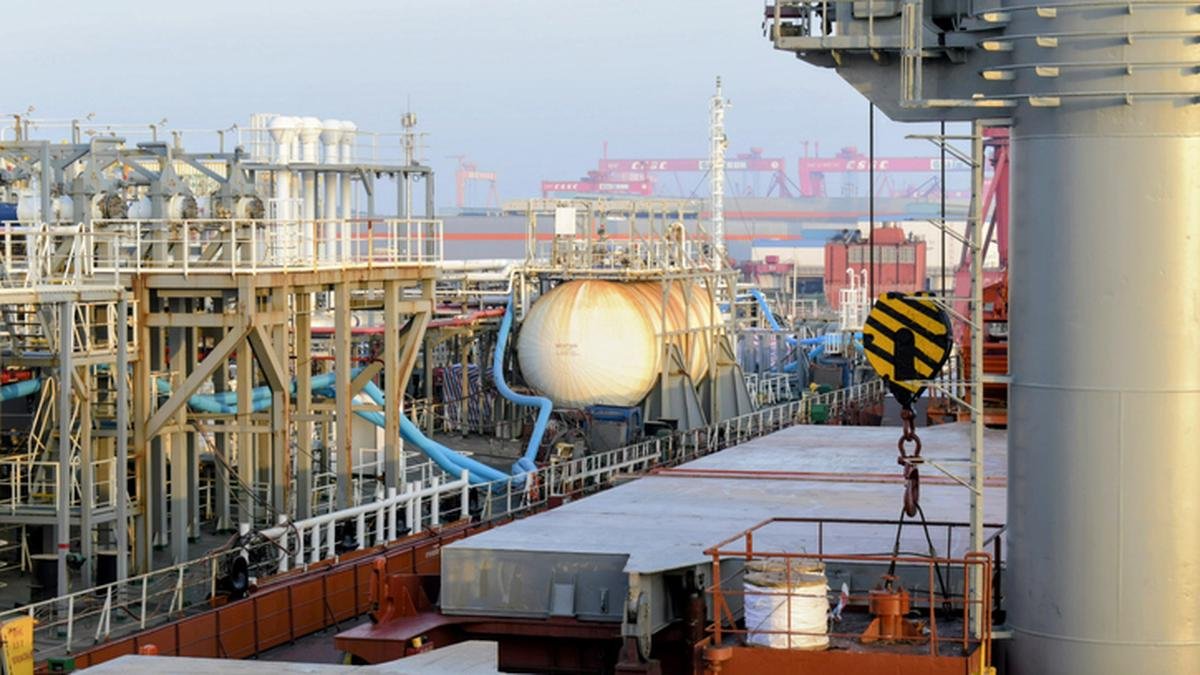
In a major shift in energy procurement, India recorded a dramatic pivot in its oil sourcing during September 2026. Official government data reveals that New Delhi completely halted crude oil imports from the United States while simultaneously reducing its reliance on Russian supplies, signaling a cautious adjustment to the newly enacted U.S. geopolitical landscape.
The strategic recalibration follows the passage of the ‘Lindsey O. Graham Sanctioning Russia and Iran Act of 2026.’ Signed into law by President Donald Trump on September 18, the legislation grants the U.S. the authority to impose tariffs as high as 100% on nations that continue to source significant quantities of energy from Russia. Although President Trump issued an executive order on October 16 temporarily waiving these penalties—citing U.S. national interest—the chilling effect on global trade patterns was immediate.
A Surge in Reliance on the UAE
As India moved to mitigate potential exposure to American trade penalties, it turned to the United Arab Emirates (UAE) to fill the supply void. Import figures for September demonstrate a massive 67% increase in oil intake from the UAE compared to the previous month, catapulting the Gulf nation to a 26.5% share of India’s total energy basket—a historic high.
This shift has created a highly concentrated import profile. With Russia providing 33% of India’s needs and the UAE accounting for over 26%, these two nations now supply approximately 60% of India’s total crude, raising questions about energy security and diversification in an increasingly volatile global market.
The Financial Strain of Elevated Prices
While the geopolitical maneuvering captures headlines, the economic reality remains difficult for the domestic market. India’s total crude oil imports for September hit 209.4 lakh tonnes, reflecting a 9.5% month-on-month increase. However, the cost of these imports continues to outpace volume growth.
The national oil import bill reached nearly $14.3 billion in September 2026—a 16.4% jump from August and a staggering 33% increase compared to September 2025. This persistent inflation, driven by elevated global crude prices, is exerting significant pressure on the country’s trade balance and fiscal health.
Navigating the Russia-U.S. Tug-of-War
India’s energy policy has historically mirrored the shifting tides of its relationship with Washington. After enjoying a period of record-high imports from Russia—peaking at 51% in July 2026—the recent legislative actions in the U.S. forced a retreat. Despite a rise in overall import volumes during September, the actual volume of Russian oil processed by Indian refineries dipped by nearly 18% compared to August.
The total cessation of U.S. oil imports in September marks a symbolic and practical departure from the American energy market, which had previously accounted for roughly 5% of India’s supply chain. As policymakers await the October data to gauge the impact of the current tariff waiver, the latest trends suggest that India remains deeply committed to a “wait-and-watch” approach, balancing its need for affordable energy with the necessity of maintaining stability in its most critical diplomatic partnerships.
Disclaimer: This content is auto-generated for informational purposes only.
Source: Read Original News