








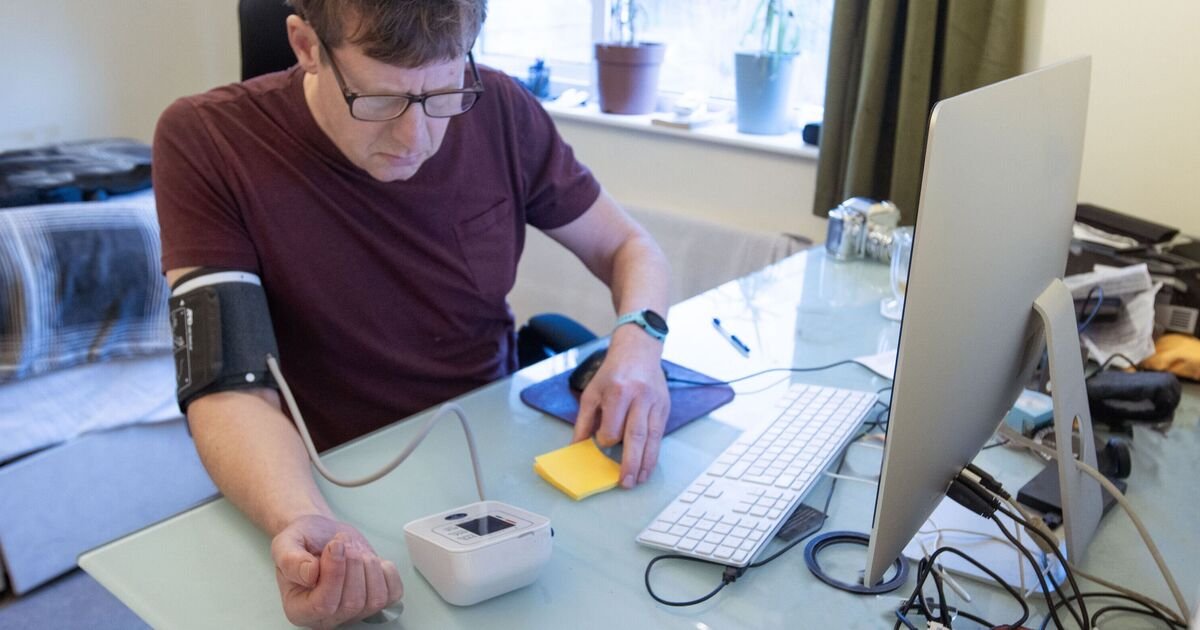
The term “silent killer” sounds like something plucked from a dramatic medical thriller, but in the world of personal health, it is a very real reality. High blood pressure, cardiovascular disease, and certain cancers often hide in plain sight, showing absolutely no warning signs until a situation becomes critical. It is a sobering thought, but it is also a powerful reminder that taking charge of your well-being today is the greatest gift you can give your future self.
While it is common to put off a doctor’s visit because you feel “fine,” experts suggest that waiting for symptoms to appear is the wrong strategy. Prevention is rarely about fixing a problem; it is about stopping the problem before it ever has a chance to start.
Prioritize the Midlife MOT
If you fall into the 40 to 74 age bracket, the NHS offers a fantastic service that many people overlook: the free midlife MOT. Think of this as a regular service for your car, but for your body. These checks assess your blood pressure, cholesterol levels, body mass index, and waist circumference.
Why bother? Because conditions like hypertension do not typically make themselves known until it is very, very late. By the time someone realizes they have high blood pressure, they may already be dealing with the aftermath of a heart attack or a stroke. Getting these baseline numbers checked regularly allows you and your GP to keep tabs on your internal health long before anything turns into a crisis.
The Importance of Self-Awareness for Men
As we approach Movember, it is the perfect time to address the “tough it out” mentality. Statistically, men tend to delay seeing a professional until a health concern is impossible to ignore. However, early diagnosis is often the difference between a minor adjustment and a life-altering event.
This isn’t just about heart health; it’s about becoming familiar with your own baseline. Whether it is performing a simple self-check for testicular lumps in the shower once a quarter or being mindful of changes in your energy or mood, staying in tune with your body is a life-saving habit. If you notice something that feels “off”—whether it is a change in your bathroom habits, unexplained fatigue, or persistent aches—bring it up to your GP. It is always better to be told that everything is fine than to ignore a potential red flag.
Mental Wellness is Physical Health
It is easy to compartmentalize health, but mental and physical wellness are deeply intertwined. For many, seeking help for anxiety or low mood can feel like an admission of weakness. This is a dangerous narrative. Depression and anxiety can manifest physically, leading to changes in appetite, sleep, and even substance use.
If you find yourself withdrawing from friends, losing interest in the activities that usually bring you joy, or struggling to maintain your standard of living, consider this your green light to talk to a doctor. Having a relationship with a primary care provider isn’t just for when you are sick; it is a resource for talking through the pressures of modern life. Sometimes, a few lifestyle tweaks or a bit of conversation can stop a downward spiral in its tracks.
Small Steps for a Stronger Future
Looking after yourself doesn’t necessarily mean a massive, overnight transformation. It is about the cumulative effect of small, consistent decisions. In middle age, many men are prone to visceral fat—the kind that settles around the organs. This specific type of weight is linked to higher rates of diabetes and cardiovascular issues. By keeping an eye on your waist circumference and making modest changes to your diet and activity levels now, you are essentially investing in your mobility and independence for decades to come.
Nobody ever walks into a clinic to say, “Thank you for saving me from the heart attack I never had,” but that is exactly what proactive care does. It creates a future where you are still active, healthy, and enjoying your life at 80, rather than fighting to recover from preventable issues. Your future self is counting on you to make those appointments, check your own health, and start taking your long-term wellness seriously today. It might feel like a chore now, but it is an act of self-care that will pay dividends for the rest of your life.
Disclaimer: This content is auto-generated for informational purposes only.
Source: Read Original News