






Analyzing the Paradigm of Poverty Alleviation in India
The recent data released by the World Bank’s October 2026 Poverty and Equity Brief serves as a critical indicator of India’s socioeconomic trajectory. According to the report, the nation has achieved one of the most rapid declines in poverty rates globally, a milestone that carries profound implications for the domestic economic environment. Between 2011 and 2023, approximately 49.6 crore individuals transitioned above the lower-middle-income poverty line of $4.20 per day. This shift represents a transformation in the demographic and economic profile of the country, moving a significant portion of the population from subsistence levels toward enhanced purchasing power and household consumption.
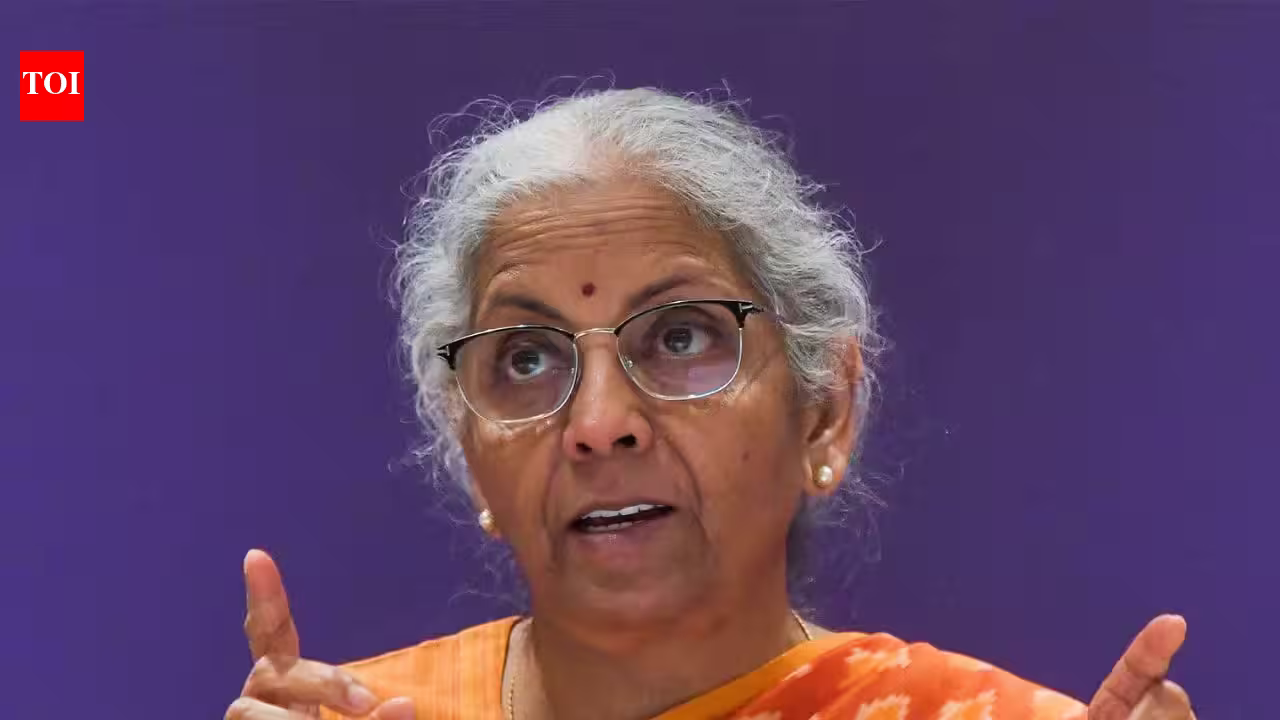
From a macroeconomic perspective, the reduction of extreme poverty from 27.1 percent to 2.6 percent over the same twelve-year period signifies a structural evolution in the Indian economy. This trend is not merely a statistical achievement; it reflects the efficacy of targeted public welfare initiatives and systemic improvements in financial inclusion. Finance Minister Nirmala Sitharaman has highlighted these figures to demonstrate the effectiveness of current government policy frameworks, which emphasize the marriage of social welfare transfers—such as food subsidies—with aggressive infrastructure and electrification efforts.
Economic Drivers of Employment and Workforce Participation
The World Bank’s findings provide nuanced insight into the changing nature of the Indian labor market. One of the most striking developments is the growth in employment, which saw 13.4 crore additional individuals join the workforce between 2017 and 2023. Notably, this increase occurred at a rate nearly double the expansion of the working-age population, suggesting that labor market absorption is becoming more efficient.
A pivotal component of this labor surge is the increased participation of women, particularly in rural regions. For decades, the gender gap in formal labor force participation remained a structural challenge for the Indian economy. The recent data, however, indicates that women are increasingly entering the workforce through paid labor, which has a multiplicative effect on household welfare. By increasing the number of earners per household, families are better positioned to weather economic fluctuations and increase discretionary spending. This demographic shift is crucial for businesses that rely on domestic consumption, as it represents a widening consumer base with higher marginal propensity to consume essential and semi-essential goods.
Infrastructure and the Rural-Urban Economic Gap
Beyond labor statistics, the report underscores the importance of physical infrastructure in fostering equitable growth. The achievement of 99 percent electricity access by 2022 serves as a foundational pillar for industrial and social development. Electricity is not merely a utility; it is a catalyst for entrepreneurship in rural areas, enabling small-scale manufacturing, cold storage for agricultural produce, and improved educational outcomes.
The World Bank’s findings indicate that rural households have experienced substantial welfare gains, effectively narrowing the long-standing rural-urban gap. This convergence suggests that the economic engine of India is becoming more geographically decentralized. For businesses, this means that the hinterlands are no longer just sources of labor or agricultural raw materials; they are emerging as viable markets for consumer goods, digital services, and financial products. The reduction in poverty, coupled with improved connectivity and utility access, validates the government’s focus on long-term capital expenditure as a primary driver of sustained growth.
The Political Economy of Asset Monetization
While the poverty reduction metrics provide a positive narrative for the current administration, the broader economic policy landscape remains a subject of intense debate. The recent approval of the sale of a 60.72 percent stake in IDBI Bank to Fairfax Financial Holdings for approximately Rs 53,000 crore highlights the government’s commitment to privatization and fiscal rationalization. This move, however, has encountered significant opposition, reflecting a fundamental clash in ideologies regarding the role of the state in financial services.
The criticism, notably voiced by political figures such as Rahul Gandhi, focuses on the perception of public sector banks as tools for national development rather than purely commercial entities. The argument rests on the potential loss of oversight and the impact on social mandates, such as reservations in public sector employment. Conversely, the government’s position—as articulated by the Finance Minister—is rooted in the principles of professional management and historical fiscal prudence. The government argues that public financial institutions were previously burdened by bad loans and administrative interference, and that privatization is the logical next step to ensure institutional efficiency and commercial viability.
Professionalism and the Future of Financial Regulation
The IDBI Bank divestment process is being conducted under strict procedural oversight by the Department of Investment and Public Asset Management (DIPAM). The controversy surrounding the bid valuation and the bidding process serves as a reminder of the complexities involved in large-scale privatization in India. When the state offloads significant stakes in entities that were previously “turnaround” success stories, it raises legitimate questions about how to value “social capital” versus “market capital.”
For the private sector, the ongoing divestment represents an opportunity for consolidation and technological modernization of the banking sector. However, the regulatory environment remains complex. The finalization of the IDBI sale is subject to rigorous clearances from the Reserve Bank of India, ensuring that any transfer of ownership does not compromise the stability of the banking system or the rights of depositors. As India continues to balance its push for market-led growth with the necessity of social welfare, the interplay between state policy and private participation will remain the defining feature of its economic narrative.
Ultimately, the data provided by the World Bank indicates that India is moving toward a more robust, consuming, and employed society. Whether this trajectory can be maintained while navigating the political tensions of public sector reform will depend on the government’s ability to communicate the benefits of efficiency while ensuring that the gains from poverty reduction are not eroded by inflationary pressures or systemic shocks. The next few years will be a test of whether the current economic strategy can deliver not just poverty reduction, but also long-term, high-quality job creation and institutional stability.
Disclaimer: This content is auto-generated for informational purposes only.
Source: Read Original News