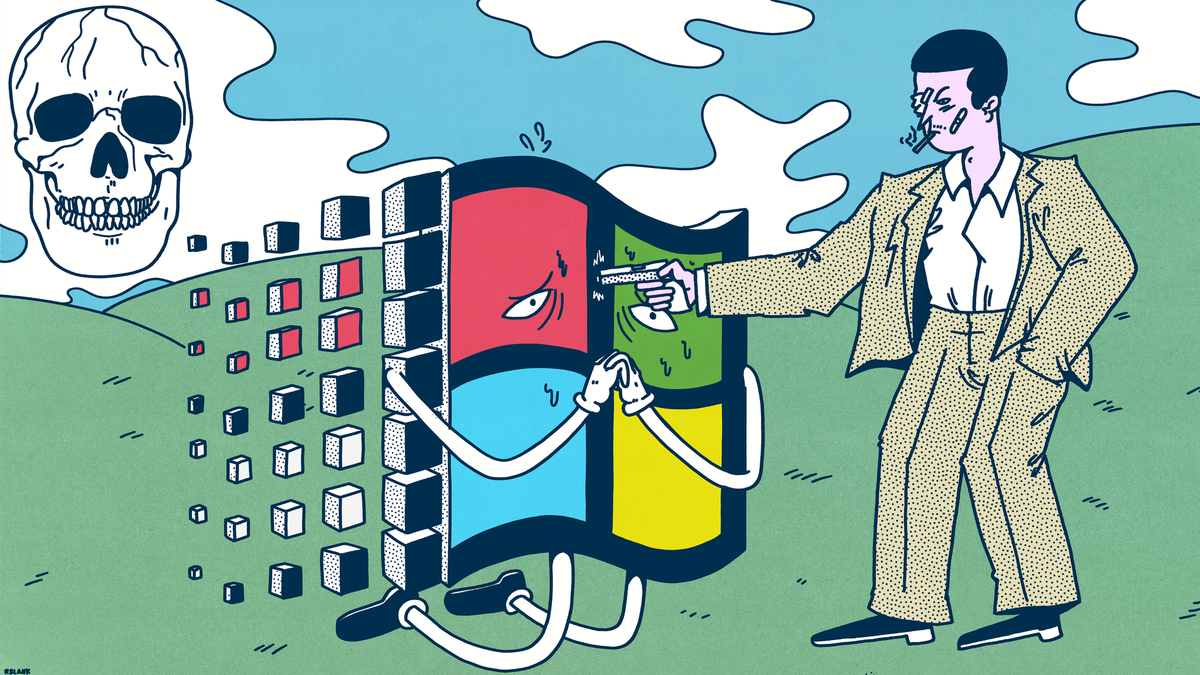







The Hardware Paradox of Windows-Based Handhelds
The landscape of handheld gaming has undergone a radical transformation over the past three years. Driven by the introduction of custom silicon from manufacturers like AMD, portable devices have evolved from low-power indie machines into full-fledged gaming powerhouses capable of running modern AAA titles. However, the hardware capabilities of these devices are frequently hampered by their reliance on Windows as a primary operating system. While Windows offers unparalleled compatibility with the vast library of PC software, it introduces significant friction that undermines the portability and efficiency essential to the handheld experience.
From a technical standpoint, these devices are essentially mobile PCs. They utilize specialized APUs—such as the AMD Ryzen Z1 Extreme—which feature integrated RDNA graphics and high-performance Zen architecture cores. On paper, these specifications should provide a seamless gaming experience comparable to a mid-range desktop. Yet, the operating system remains designed for mouse and keyboard input, necessitating complex overlay software to simulate controller inputs and manage display resolutions. This software layer adds overhead to the system, consuming system memory and CPU cycles that would otherwise be allocated to frame rate stability and power management.
The Complexity of User Interface Integration
The primary challenge for current handheld manufacturers is bridging the gap between a desktop operating system and a portable form factor. Windows 11, while modern, relies on a graphical user interface that requires high-precision input. Navigating file directories, installing third-party launchers, and managing driver updates often requires a virtual cursor or a touchscreen, both of which are cumbersome when compared to a native console interface.
Manufacturers have attempted to mitigate this by developing proprietary front-end software that launches on startup, effectively “skinning” Windows to look and feel like a console dashboard. While these shells consolidate games from various stores—such as Steam, Epic Games, and Game Pass—into a single library, they are fundamentally wrappers. If a game crashes or an update prompt appears, the user is immediately dumped into the standard Windows desktop environment. This lack of a unified, locked-down ecosystem results in a fragmented experience where the user must frequently troubleshoot Windows-specific errors rather than simply playing games.
Power Efficiency and Thermal Management Constraints
One of the most critical aspects of handheld design is battery life. Because Windows is a general-purpose operating system, it constantly runs background processes that are irrelevant to gaming. These processes prevent the system from entering low-power states as effectively as a dedicated console operating system like SteamOS or a custom Linux distribution. As a result, the hardware must draw more power than necessary to maintain system stability, leading to reduced battery longevity.
Furthermore, Windows lacks the granular hardware control necessary for optimal thermal management. While manufacturers provide their own power-management utilities to limit the Thermal Design Power (TDP) of the APU, these utilities operate on top of the Windows kernel rather than being integrated into it. This means the system often struggles to balance heat output with performance during high-intensity scenes. When the system becomes thermally throttled, the OS overhead can cause severe frame time inconsistencies, leading to the stuttering that often plagues these devices during demanding sequences.
The Advantage of Native Linux Environments
The contrast between Windows-based handhelds and Linux-based competitors illustrates the impact of software architecture on performance. Systems that utilize proprietary Linux distributions built specifically for handheld gaming leverage a modular, lightweight kernel. By stripping away non-essential services, these systems dedicate more resources to the graphics pipeline and input latency optimization.
Moreover, the use of translation layers like Proton allows these Linux systems to run Windows-compatible games with minimal performance loss. By bypassing the bloat of the full Windows OS, developers can implement features like per-game performance profiles, global frame-rate limiters, and system-level suspend-and-resume functionality. These features are difficult to replicate on Windows because the OS is not natively designed to suspend hardware components in the way a console requires. The ability to instantly wake a device and return to a game within seconds is a pillar of the handheld experience, yet it remains unreliable on Windows due to the OS’s complex sleep and wake cycles.
Future Outlook for Portable Gaming
For handhelds to reach their full potential, the industry must address the friction caused by general-purpose operating systems. While Microsoft has hinted at improved “Handheld Mode” features for Windows, a fundamental shift in how the OS handles resource allocation is necessary. Current iterations of Windows are simply too resource-heavy to facilitate the clean, fast, and battery-efficient experience that consumers expect from a premium portable gaming device.
Until a specialized version of Windows or a more robust ecosystem of lightweight operating systems becomes the standard, the current generation of handhelds will remain a compromise. They offer immense technical power and the ability to run any application available on a desktop, but they demand a high level of technical literacy from the user. For those willing to navigate the complexities of Windows maintenance—such as managing driver updates, optimizing registry settings for battery life, and troubleshooting game compatibility—these devices provide an unmatched library. However, for the segment of the market seeking a seamless, “plug-and-play” experience, the reliance on an unoptimized desktop OS remains the single greatest bottleneck in handheld evolution. The hardware is ready for the future; the software, however, remains firmly tethered to the constraints of the past.
Disclaimer: This content is auto-generated for informational purposes only.
Source: Read Original News