









Navigating the Volatility of Global Brand Sentiment
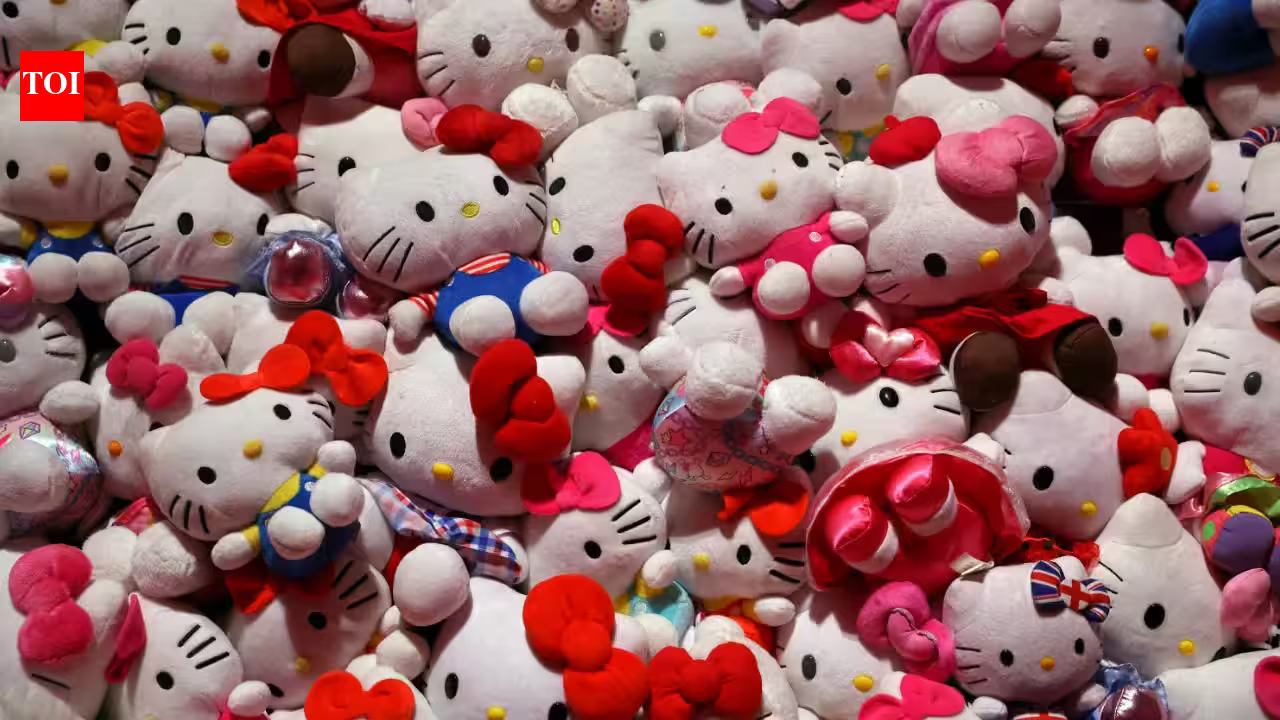
The recent controversy surrounding Sanrio, the Japanese company behind the global icon Hello Kitty, serves as a poignant case study on the fragility of foreign brand presence in the Chinese market. By entering a merchandise collaboration with the Japanese drama VIVANT—a show featuring a narrative arc involving the torture of Japanese spies by a fictional Chinese intelligence agency—Sanrio inadvertently placed its brand at the epicenter of a geopolitical storm. The swift backlash from Chinese consumers and the subsequent termination of the project highlight how quickly commercial ventures can be derailed by sociopolitical sensitivities.
In the globalized economy, brands often view international expansion as a pathway to diversification and scale. However, the Chinese market represents a unique environment where the line between private commercial activity and national identity is exceptionally thin. For multinational corporations, failing to conduct rigorous due diligence on the content or associations of a third-party partner can result in immediate reputational damage and the loss of critical market access. Sanrio’s experience underscores that brand equity is inseparable from the public perception of the brand’s values, which are now scrutinized through the lens of nationalist discourse and regional diplomatic tensions.
The Intersection of Geopolitics and Commercial Strategy
The friction faced by Sanrio is not an isolated incident but rather a symptom of broader structural tensions between Japan and China. When corporate entities operate in markets where historical and contemporary diplomatic friction exists, they essentially walk a tightrope. A television drama, while meant to be an exercise in fictional storytelling, is perceived by domestic audiences in China through a geopolitical prism. When a globally recognized brand like Sanrio attaches itself to that narrative, it is effectively endorsing the controversy.
The economic implications are significant. Despite the political cooling of relations, Japanese companies maintain deep trade dependencies on China. For Sanrio, China represents a high-growth market, with significant quarterly revenue increases. The decision to terminate the partnership with the drama production team was a defensive maneuver intended to preserve that revenue stream. By issuing an apology and citing a misalignment with corporate philosophy, the company attempted to decouple its brand identity from the provocative content. This highlights a recurring business reality: in the Chinese market, compliance and alignment with public sentiment are often prioritized over creative freedom or contract sanctity.
Comparative Analysis of Corporate Backlash
The Sanrio case mirrors other high-profile instances where international brands have stumbled in China. From Dolce & Gabbana’s cultural tone-deafness in marketing campaigns to the systemic boycotts faced by apparel retailers like H&M and Nike over supply chain controversies, the patterns are consistent. Chinese consumers, empowered by social media platforms, possess the capacity to mobilize rapidly against perceived slights, whether they relate to cultural stereotypes, labor practices, or geopolitical territorial integrity.
The frequency of these incidents suggests that foreign firms must integrate a “geopolitical risk assessment” into their standard marketing and PR workflows. Traditional marketing strategies, which focus on consumer demographics and purchasing power, are no longer sufficient. Companies must now evaluate their intellectual property and collaborations against the historical and nationalistic sensitivities of the local population. For a company like Sanrio, whose primary asset is its perceived innocence and universal appeal, the cost of being “politicized” is far higher than for firms in other sectors.
The Indian Business Context: Lessons in Localization
While the situation in China presents a specific set of challenges, Indian enterprises venturing into international markets or managing a diverse domestic market can derive significant insights from these events. India, with its complex cultural landscape and regional sensitivities, provides a fertile ground for understanding the importance of “cultural intelligence.” In India, global brands have often had to recalibrate their marketing messages to align with local values, showing that sensitivity to regional sentiment is not unique to the Chinese market.
Indian companies expanding into markets such as the Middle East, Southeast Asia, or even Western nations face similar scrutiny regarding brand associations. The lesson here is that localization goes beyond translating language; it requires a deep immersion into the cultural and political narratives of the host country. For Indian firms targeting global dominance, the Sanrio incident acts as a warning: brand protection requires a proactive strategy that anticipates how content might be interpreted outside the creator’s home context. In an era where information travels instantly, a misstep in one market can lead to a global brand crisis.
Risk Mitigation and Future-Proofing Brands
Moving forward, the primary takeaway for multinational executives is the necessity of radical transparency and rigorous vetting. The “collaborative model,” where brands leverage external media properties to reach younger audiences, carries inherent risks that legal contracts often fail to mitigate. To prevent similar crises, corporations must adopt a tiered vetting process that assesses not just the commercial potential of a collaboration, but the potential for that content to be weaponized in the public discourse.
Furthermore, companies must be prepared to respond with speed and agility. Sanrio’s rapid termination of the VIVANT partnership demonstrates an understanding that in the age of digital outrage, silence or delay is equivalent to taking a side. By publicly distancing itself, the firm protected its core business interests. However, the sustainable solution lies in preventing these associations from occurring in the first place. This requires a boardroom-level focus on geopolitical risk that treats international social dynamics as seriously as financial audits or operational security.
As international markets continue to shift, the ability to navigate delicate public sentiment will become a defining trait of successful global enterprises. Brands must learn to balance their creative expressions with a heightened awareness of the world’s evolving ideological lines. The Sanrio experience is a stark reminder that even the most beloved characters are not immune to the hard realities of global power dynamics and the unforgiving nature of public scrutiny.
Disclaimer: This content is auto-generated for informational purposes only.
Source: Read Original News