








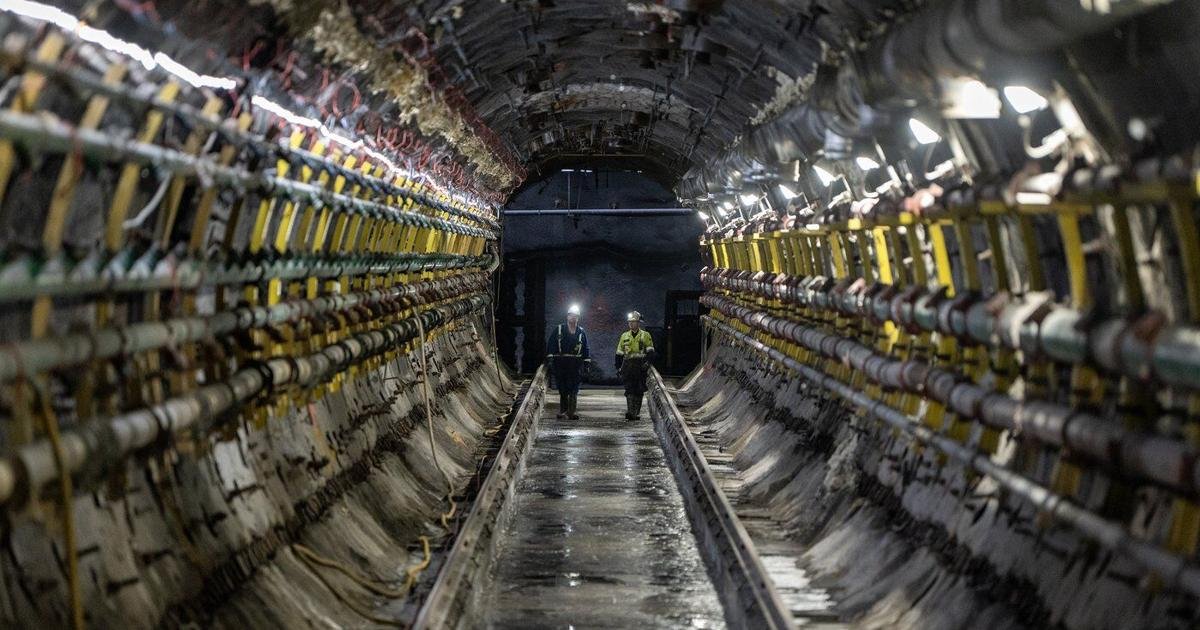
The surge in artificial intelligence is not merely a software phenomenon; it is becoming a critical driver for the physical infrastructure of the digital age. As tech giants scramble to scale their data centers to accommodate the massive computational demands of generative AI, the energy industry is seeing a profound shift. Cameco Corp., one of the world’s largest uranium producers, is positioning itself at the center of this transformation, with CEO Tim Gitzel signaling that the nuclear industry is poised for an unprecedented era of growth.
The AI Power Hunger Driving Nuclear Renaissance
Modern artificial intelligence models require exponential increases in electricity compared to traditional computing tasks. Training large language models and operating real-time AI agents necessitates massive data centers that must run 24/7. While renewable sources like wind and solar provide intermittent power, tech giants—including Google, Amazon, and Microsoft—are increasingly viewing nuclear energy as the “baseload” solution required to maintain the stability of their hardware.
Google, in particular, has been a vocal proponent of carbon-free energy to offset the high environmental costs of its AI expansion. By investing in modular nuclear reactors and supporting the restart of dormant facilities, these tech companies are validating nuclear power as an essential pillar of the AI transition. For miners like Cameco, this represents a structural change in the market. The industry is no longer just looking at national energy mandates; it is now responding to the private sector’s urgent need for clean, reliable, and continuous electrical supply.
Infrastructure Challenges and the Uranium Supply Chain
While the synergy between AI and nuclear power appears perfect on paper, scaling the supply chain remains a complex logistical challenge. Cameco has noted that while the appetite for nuclear energy is at an all-time high, the mining sector faces hurdles in ramping up production to meet projected demand. Uranium exploration and the subsequent development of new mines can take years, if not decades, to reach full capacity.
The industry is navigating a delicate balance. On one hand, there is the immediate pressure to provide fuel for existing reactors that are seeing their lifespans extended. On the other hand, there is the long-term imperative to invest in new mining technology and extraction methods to ensure that the AI boom does not trigger a fuel shortage. Industry analysts suggest that we are entering a “supercycle” for uranium, where supply will remain tight as global data center capacity continues to explode.
The Convergence of Tech and Utility
The relationship between AI and nuclear power is emblematic of a broader trend where Big Tech is effectively becoming its own energy company. Google’s recent initiatives to integrate Small Modular Reactors (SMRs) into its energy portfolio indicate that the company is looking beyond the grid to secure its own future. By bypassing traditional utility constraints, tech firms are betting that nuclear energy is the only technology capable of meeting the power density requirements of the next generation of AI chips and servers.
For shareholders and stakeholders in the nuclear sector, this convergence offers a long-term hedge against uncertainty. Unlike previous periods in the nuclear industry, which were often dictated by volatile government policy shifts, the current demand is anchored by the irreversible momentum of the tech industry. As long as the world continues to prioritize AI integration and carbon neutrality, nuclear energy will likely remain the backbone of the digital economy.
Cameco’s leadership remains optimistic but cautious, emphasizing that while the opportunity is immense, the industry must remain disciplined in its operational growth. As the digital and physical worlds continue to blur, the uranium sector stands ready to power the next phase of human innovation, ensuring that the lights stay on for the AI revolution.
Disclaimer: This content is auto-generated for informational purposes only.
Source: Read Original News