







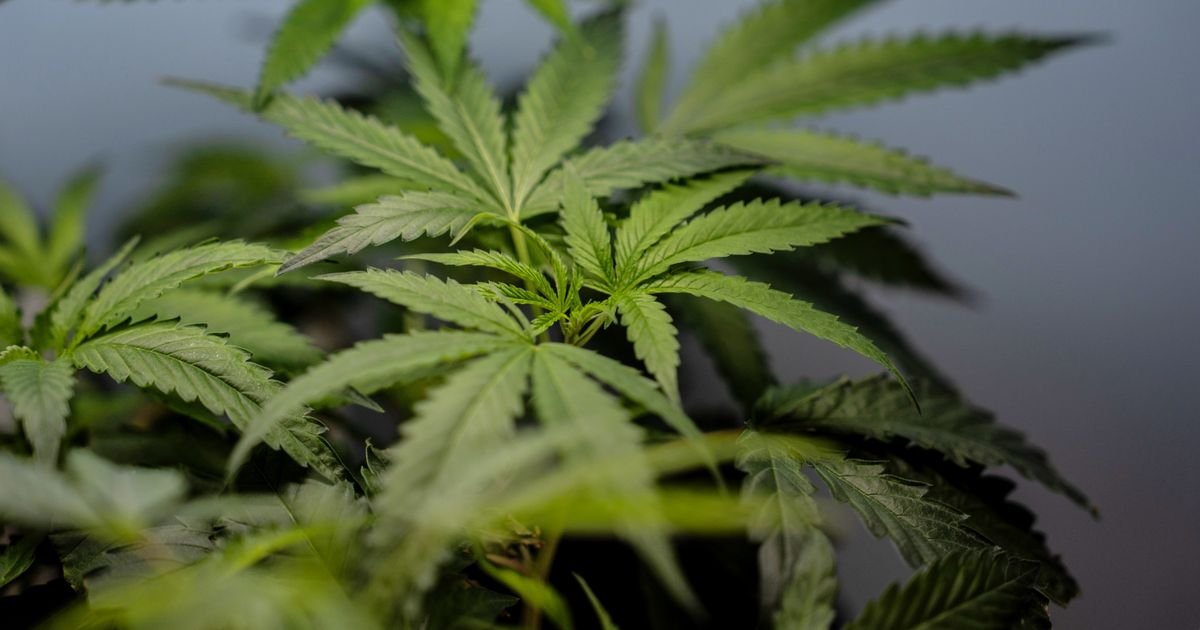
In a historic shift for the American cannabis industry, the Drug Enforcement Administration (DEA) has officially granted federal registrations to over 900 medical marijuana dispensaries across seven states. This bureaucratic milestone, finalized this past Friday, marks the first time the federal government has formally sanctioned state-licensed medical cannabis storefronts, signaling a monumental pivot in how the U.S. treats the drug.
The registrations affect businesses in Alabama, Florida, Mississippi, South Dakota, Texas, Virginia, and West Virginia. This move follows President Donald Trump’s administration’s decision earlier this year to downgrade marijuana from Schedule I—a classification reserved for drugs deemed to have no medical utility—to Schedule III, the same category as substances like anabolic steroids and ketamine.
Unlocking Financial Relief for a Burgeoning Industry
For years, the cannabis industry has been crippled by a tax code known as Section 280E, which prevented businesses dealing in Schedule I substances from deducting ordinary expenses like payroll, rent, and advertising. By transitioning to Schedule III, these state-licensed entities may finally be able to claim these federal tax benefits, drastically changing the financial viability of dispensaries.
Attorney General Todd Blanche stated that the move is designed to stabilize the supply chain for patients. “The regulated distribution of cannabis for medical use will help ensure broader access to chronic pain treatment and the safety of the American people,” Blanche noted.
With nearly 7,000 additional applications currently under review by the DEA, the industry is bracing for a massive infusion of federal oversight. To qualify, businesses must pass rigorous pre-registration investigations, adhering to federal mandates regarding record-keeping, inventory tracking, and facility security.
The Intersection of Regulatory Technology and Compliance
The transition to a Schedule III framework brings the cannabis sector closer to the rigorous standards seen in the pharmaceutical industry. This has sparked a surge of interest in specialized tech solutions, as dispensary operators scramble to implement digital record-keeping systems that meet stringent DEA criteria.
Companies in the compliance software space are already pivoting to address this new reality. Systems that provide real-time inventory tracking, encrypted audit trails, and secure verification—technologies already common in the pharmaceutical and healthcare sectors—are becoming essential tools for dispensaries looking to maintain their federal standing. As the industry moves away from the “gray market” era, the adoption of advanced AI-driven compliance tools may become the standard to ensure that every gram of product is accounted for in a way that satisfies federal regulators.
Persistent Uncertainty in the Modern Cannabis Era
Despite the excitement, the path forward is complex. The legal landscape remains fractured, as many states operate hybrid markets that combine recreational adult-use cannabis with medical programs. It remains unclear how the DEA will approach dual-purpose dispensaries.
Furthermore, social equity concerns remain a point of contention. Many states have intentionally created pathways for individuals with past cannabis-related criminal records to obtain business licenses—a policy that may clash with the DEA’s traditional, more rigid vetting procedures for controlled substance registration.
“It’s obviously a positive step to see the program taking shape,” says Chris Lindsey of the American Trade Association for Cannabis and Hemp. “What everybody’s watching for is, what can we expect to see now that we have companies that are going to be operating in this class? What are they going to have to start to do?”
As the dust settles, the industry stands at a crossroads. Steph Sherer, founder of Americans for Safe Access, hailed the registration as a victory for patients, noting that it comes just days before the 30th anniversary of California’s pioneering medical marijuana legislation. Whether this federal recognition will lead to a fully legalized national framework or remain a restricted medical-only model remains the industry’s most pressing question.
Disclaimer: This content is auto-generated for informational purposes only.
Source: Read Original News