









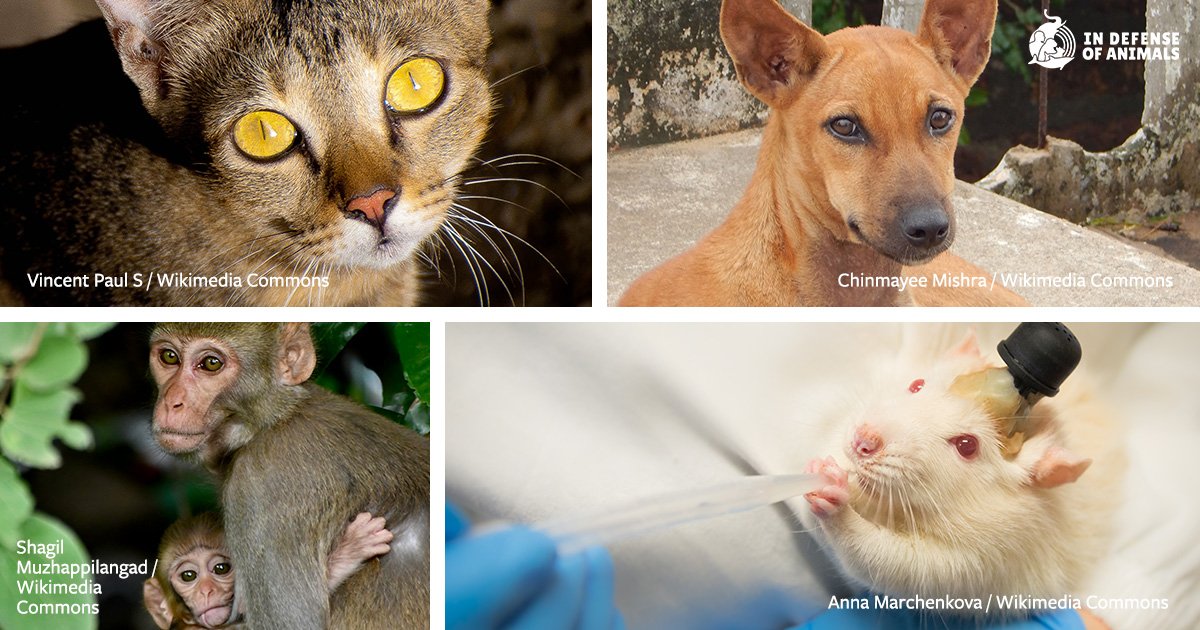
Proposed Laboratory Animal Regulations Spark Nationwide Outcry Over Animal Welfare
New Delhi — A wave of concern is sweeping through India’s animal welfare community as the government faces intense scrutiny over proposed revisions to laboratory research guidelines. Critics and activists argue that the new regulations could drastically weaken existing protections for street animals, including dogs, cats, and rhesus macaques, potentially opening the door to a surge in cruel and unnecessary experimentation.
The debate centers on the legislative framework governing the use of animals in biomedical and academic research. Advocacy groups, including In Defense of Animals (IDA), have raised alarms, suggesting that the updated rules may bypass critical oversight mechanisms, effectively putting thousands of vulnerable street animals at risk of being diverted into laboratory facilities.
A Threat to Ethical Research Standards
For decades, India has maintained a regulatory environment that emphasizes the “3Rs” principle: Replacement, Reduction, and Refinement. However, critics argue that the proposed amendments prioritize industrial and academic convenience over the moral obligation to prevent animal suffering.
“The sanctity of animal life should not be treated as a variable in a research project,” says an activist familiar with the draft proposals. “If these regulations are pushed through in their current form, we risk creating a system where street dogs and cats are viewed merely as biological tools rather than sentient beings. The oversight process, which was designed to prevent exploitation, appears to be losing its teeth.”
The Vulnerability of Street Animals
Street animals are often the silent victims of policy gaps. In urban centers across India, the stray population is already subject to harsh environmental conditions. Animal rights proponents worry that if the proposed rules relax the requirements for sourcing animals for labs, street animals could be trapped or rounded up with minimal accountability.
Furthermore, the inclusion of primates, such as rhesus macaques, in potential testing protocols has caused significant distress among wildlife conservationists. These animals are deeply social and highly intelligent; subjecting them to laboratory settings often leads to severe psychological trauma, yet they are frequently targeted for neurological and pharmaceutical studies.
Demanding Transparency and Accountability
As the outcry grows, thousands of citizens are petitioning the government to halt the implementation of these rules. The call to action is clear: the public is demanding a more transparent scientific process that mandates non-animal testing alternatives wherever possible. Advances in biotechnology, such as organ-on-a-chip technology and sophisticated computer modeling, offer a path toward modernizing Indian research without sacrificing the lives of innocent animals.
“This is not just an animal welfare issue; it is a question of our scientific maturity,” says a spokesperson for an advocacy organization. “We should be moving toward ethical innovation, not rolling back the hard-won protections established by the Committee for the Purpose of Control and Supervision of Experiments on Animals (CPCSEA).”
The Path Forward
The Ministry of Environment, Forest and Climate Change is currently under pressure to hold open consultations with independent ethicists and veterinary experts. Protesters are urging the government to reconsider the language of the draft, specifically calling for stricter auditing of laboratory facilities and a total ban on the use of stray animals for experimental purposes.
As India positions itself as a global leader in scientific research, the international community is watching to see whether the nation will double down on its commitment to humane practices or allow commercial interests to undermine the basic rights of its street animal population. The coming weeks will be critical as stakeholders await a formal response from policymakers regarding the future of animal research in the country.
Disclaimer: This content is auto-generated for informational purposes only.
Source: Read Original News