









India Strengthens Satellite Navigation Prowess with Successful NVS-03 Launch
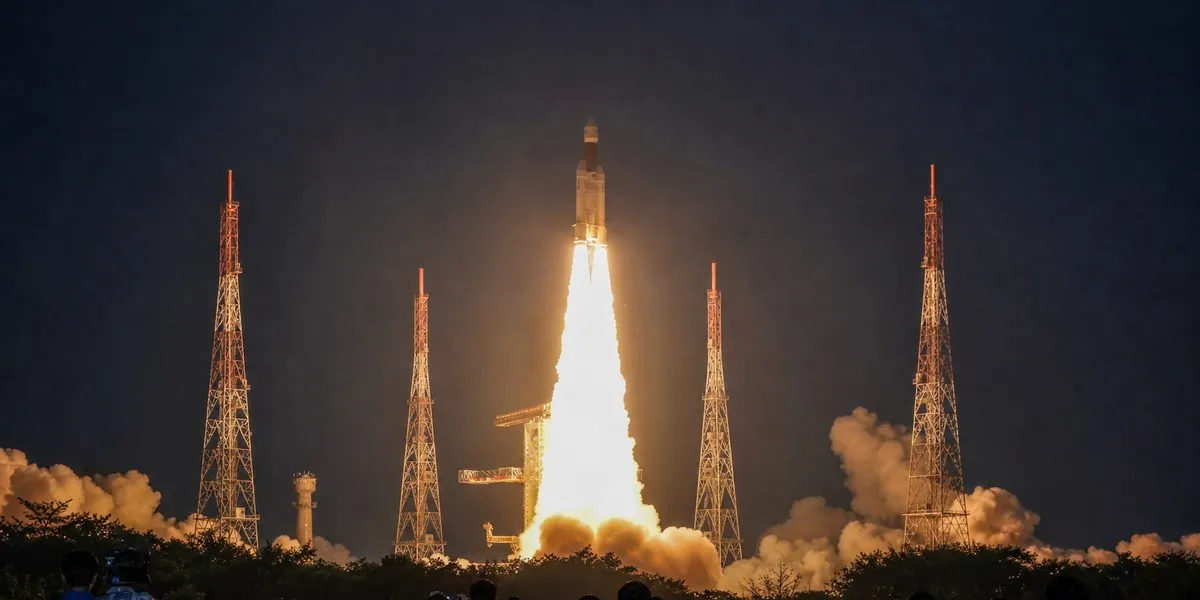
India’s space program reached another significant milestone on October 30 as the Indian Space Research Organisation (ISRO) successfully deployed the NVS-03 navigation satellite. The mission, which took off from the Satish Dhawan Space Centre, utilized the reliable GSLV Mark II launch vehicle, marking a pivotal step forward for the country’s independent positioning and timing infrastructure.
The liftoff occurred at 23:51 Indian Standard Time (18:21 GMT). Following a precise flight trajectory, ISRO confirmed that the satellite had been successfully injected into its designated geostationary transfer orbit approximately 30 minutes after ignition. This achievement underscores India’s growing technical maturity in orbital mechanics and satellite deployment.
Boosting the NavIC Constellation
The NVS-03 serves as the third iteration of India’s next-generation satellite series, specifically designed for the Navigation with Indian Constellation (NavIC) system. Often described as India’s regional alternative to the American Global Positioning System (GPS), NavIC is engineered to provide highly accurate positioning, navigation, and timing services.
While global systems like GPS offer worldwide coverage, NavIC is strategically optimized to serve India and an expansive surrounding region, covering an area approximately 1,500 kilometers beyond the nation’s borders. Currently, the NavIC network requires at least four operational satellites to offer consistent and reliable services. With the successful insertion of NVS-03, ISRO is systematically moving toward fortifying the constellation. The satellite will now transition into a period of rigorous commissioning and system checks to ensure it integrates seamlessly with the existing orbital framework.
A Proven Workhorse: The GSLV Mark II
The mission relied on the GSLV Mark II, a 52-meter, three-stage rocket that has become a staple of India’s heavy-lift capabilities. This launch represented the 14th flight for the Mark II variant. Over the course of its service life, which began in 2010, the vehicle has demonstrated a high success rate, with 12 out of its 14 missions reaching their intended targets.
The success of this launch is particularly noteworthy when considering the broader trajectory of India’s space industry. This event marks the fourth orbital launch from Indian soil in 2026 and the third conducted directly by ISRO. The year has also been historic for the burgeoning Indian private space sector, notably with the successful orbital mission carried out by Skyroot Aerospace in July. That milestone solidified India’s status as a nation capable of fostering both state-led and commercial space exploration.
As India continues to refine its navigation capabilities, the NVS-03 mission acts as a vital bridge toward achieving full operational autonomy in space-based services. By expanding its satellite constellation, India is not only enhancing its domestic infrastructure for civilian and strategic navigation but is also cementing its reputation as a formidable player in the global aerospace arena. With the commissioning phase now underway, the nation looks forward to the expanded reliability and precision that the bolstered NavIC system will provide.
Disclaimer: This content is auto-generated for informational purposes only.
Source: Read Original News