









Six Killed in Helicopter Crash Near Joshimath, Casting Shadow Over Uttarakhand Aviation Safety
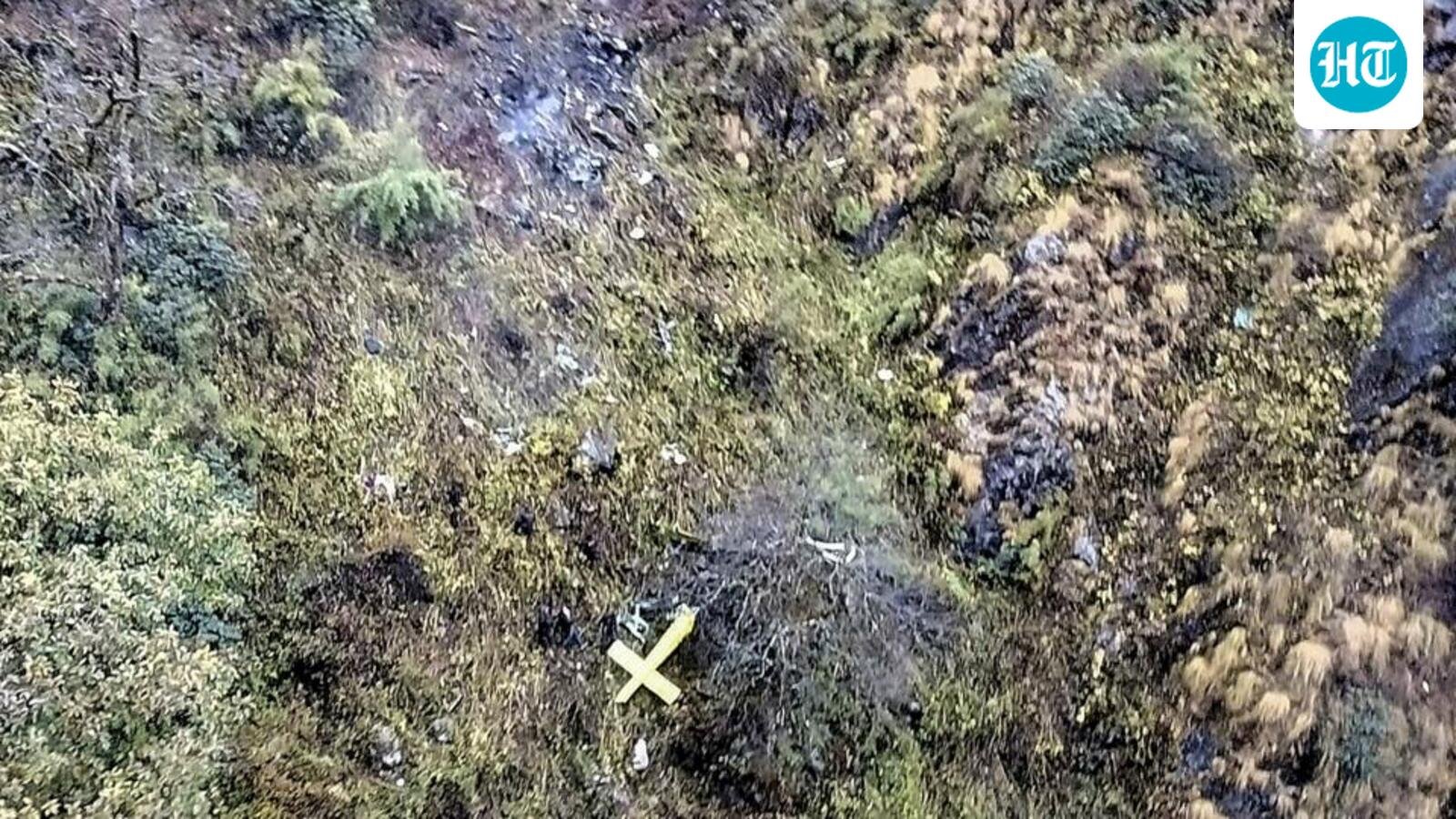
CHAMOLI: A private helicopter crashed into a hillside near Chai village in the Joshimath area of Uttarakhand on Friday, claiming the lives of all six people on board. Among the casualties were five pilgrims from Karnataka and the pilot. The tragedy marks a grim continuation of safety challenges in the region’s high-altitude pilgrimage sector, occurring despite a slew of regulatory interventions introduced earlier this year.
A History of Peril
The incident comes just weeks after the Aircraft Accident Investigation Bureau (AAIB) released its final report regarding a fatal 2025 crash in the Kedarnath valley. Historical data reflects a volatile trend; between 2015 and 2025, the Char Dham sector saw eight accidents and several serious incidents. The 2025 season, in particular, was catastrophic, with multiple crashes resulting in significant loss of life, including a mid-June tragedy that killed seven people near Gaurikund.
Investigations into past accidents have consistently pointed to a combination of volatile mountain weather and human error. Reports have highlighted instances where pilots, lacking sufficient experience in valley-specific flying, failed to divert despite deteriorating visibility. In some cases, the absence of real-time meteorological data—often relying on informal WhatsApp updates rather than professional weather monitoring—further compounded the risks.
Stringent Measures Put to the Test
In anticipation of the 2026 season, the civil aviation ministry had implemented a comprehensive suite of safety protocols. These included the installation of ceilometers to track cloud-base heights at key locations like Badrinath and Kedarnath, the establishment of command centers for helipad monitoring, and the mandatory use of GPS tracking devices.
Pilot requirements were also tightened significantly, with the Directorate General of Civil Aviation (DGCA) mandating a minimum of 750 hours of hill-flying experience, alongside specific competency checks for Kedarnath landings. Additionally, flight capacity was capped at 70% to improve performance margins in high-altitude environments. While the first phase of this year’s pilgrimage season passed without incident, Friday’s crash has reignited concerns about whether current regulations are enough to counter the extreme geographic and climatic challenges of the Himalayas.
The Search for Answers
While the exact cause of Friday’s crash remains under investigation, the AAIB’s recent recommendations offer a lens through which experts view the sector’s systemic issues. The bureau has previously advocated for mandatory supervised “dual” hill-flying sorties for pilots new to the terrain.
Over the past three years, the DGCA has employed various punitive and corrective measures, including heavy fines, fleet audits, and license suspensions for operators found flouting weather-related safety protocols. However, with the rugged topography of the Garhwal Himalayas and the high volume of footfall during the pilgrimage season, the challenge of achieving zero-incident operations remains monumental. As authorities begin their investigation into the wreckage near Joshimath, the focus will likely return to the efficacy of current air traffic control oversight and the rigor of weather-decision protocols in the state’s high-risk flight corridors.
Disclaimer: This content is auto-generated for informational purposes only.
Source: Read Original News