









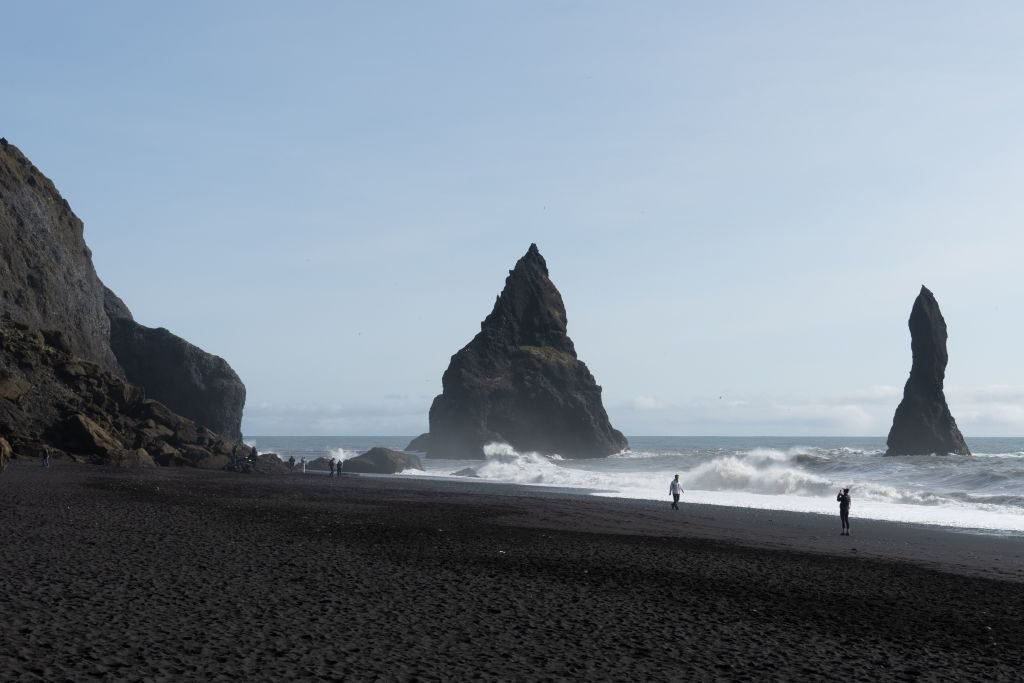
The jet-black sands of Reynisfjara, framed by the stark geometry of towering basalt columns and the jagged silhouette of the Reynisdrangar sea stacks, represent the raw, brutalist beauty of Iceland’s south coast. It is a landscape that draws thousands of international visitors annually, eager to witness the collision of the North Atlantic with the volcanic shoreline. However, this aesthetic allure masks a perilous reality: the beach is among the most dangerous tourist destinations in the country, and the natural forces shaping it are becoming increasingly difficult to manage.
For years, the Icelandic Tourist Board maintained a robust safety infrastructure at Reynisfjara, anchored by an illuminated traffic-light system. Green, amber, and red indicators were designed to categorize the volatile nature of the waves, providing visitors with a clear assessment of risk. Yet, the very environmental dynamics that make the beach hazardous have now dismantled the tools meant to protect those who visit it. In February 2026, officials confirmed the removal of the primary illuminated warning sign after coastal erosion and relentless wave action caused the structure to collapse.
The erosion of the physical safety signage serves as a grim metaphor for the unpredictable nature of the site. The primary threat to human life at Reynisfjara is not found in the depths of a swim—indeed, swimming is strictly discouraged—but at the water’s edge. The beach is notorious for “sneaker waves”: sudden, high-energy swells that surge significantly further up the sand than the preceding wave cycles. These surges can strike with little warning, knocking individuals off their feet and dragging them into the freezing Atlantic.
The physics of the coastline exacerbate these dangers. The violent backwash of a receding sneaker wave, combined with powerful localized rip currents, creates a trap from which recovery is nearly impossible. Given the near-freezing temperatures of the water, the onset of cold shock and hypothermia occurs rapidly, leaving little margin for error.
The human cost of these conditions has been stark. In recent years, at least five tourists have lost their lives at the site, with a much higher volume of emergency interventions required to assist those caught by the tide. Beyond the water, the beach poses geological hazards; the unstable cliffs above the shoreline are prone to rockfalls, prompting authorities to issue strict guidance for visitors to remain on the upper ridges of the beach, well away from the base of the basalt columns.
The absence of traditional lifeguard services—a choice dictated by the sheer unpredictability and volatility of the conditions—places the burden of safety almost entirely on the individual visitor’s ability to recognize danger. The removal of the warning signs in early 2026 underscores the necessity of a heightened public awareness campaign.
As climate patterns continue to influence coastal geomorphology and sea levels, the landscape of southern Iceland remains in flux. For those visiting Reynisfjara, the mantra remains simple but non-negotiable: never turn your back on the ocean. The beach stands as a powerful reminder that in the face of Iceland’s extreme environment, the most vital safety equipment is not an installation maintained by the state, but the cautious judgment of those who tread upon its sands.
Disclaimer: This content is auto-generated for informational purposes only.
Source: Read Original News