








The Rise of DIY Muse Gadgets
As Meta prepares to launch its Muse Charm—a hardware device designed to keep users connected to its AI ecosystem—a new movement of developers and hobbyists is bypassing the retail route. By utilizing low-cost development boards, tinkerers are building their own versions of the Muse hardware for a fraction of the cost. The Waveshare ESP32-S3 1.75C, a 1.75-inch touchscreen computer pendant, has emerged as the primary vehicle for these projects. This device, while basic out of the box, provides a blank canvas for users to integrate Meta’s open-source code and tokens, effectively turning a modest electronics purchase into a functional, personalized AI companion.
Bridging the Functional Gap
Out of the box, these development kits often lack the polished integration consumers expect from mass-market hardware. In initial testing, these devices functioned primarily as transcription tools rather than conversational partners. Without modification, the hardware struggled to provide audible responses or comprehensive information, limiting the user to brief text snippets. However, the open nature of the platform allows for significant software remediation. By leveraging advanced coding assistants like Claude, users have successfully implemented features that Meta’s base build omitted, such as persistent conversation history and secondary integration with high-quality text-to-speech services like ElevenLabs.
Expanding Hardware Utility
The utility of these DIY devices extends beyond simple text-based AI interaction. Through iterative programming, users are expanding the core capabilities of the ESP32-S3 hardware. With the addition of custom scripts, these pendants can now function as remote camera viewfinders, allowing for high-quality live previews and shutter control from across a room. By resolving initial orientation errors and optimizing Bluetooth data streaming, developers have managed to turn a stationary pendant into a capable remote photography accessory. This level of customization highlights the primary benefit of the development kit approach: the ability to force hardware to perform specific tasks that are not available on proprietary devices.
Gamification and User Experience
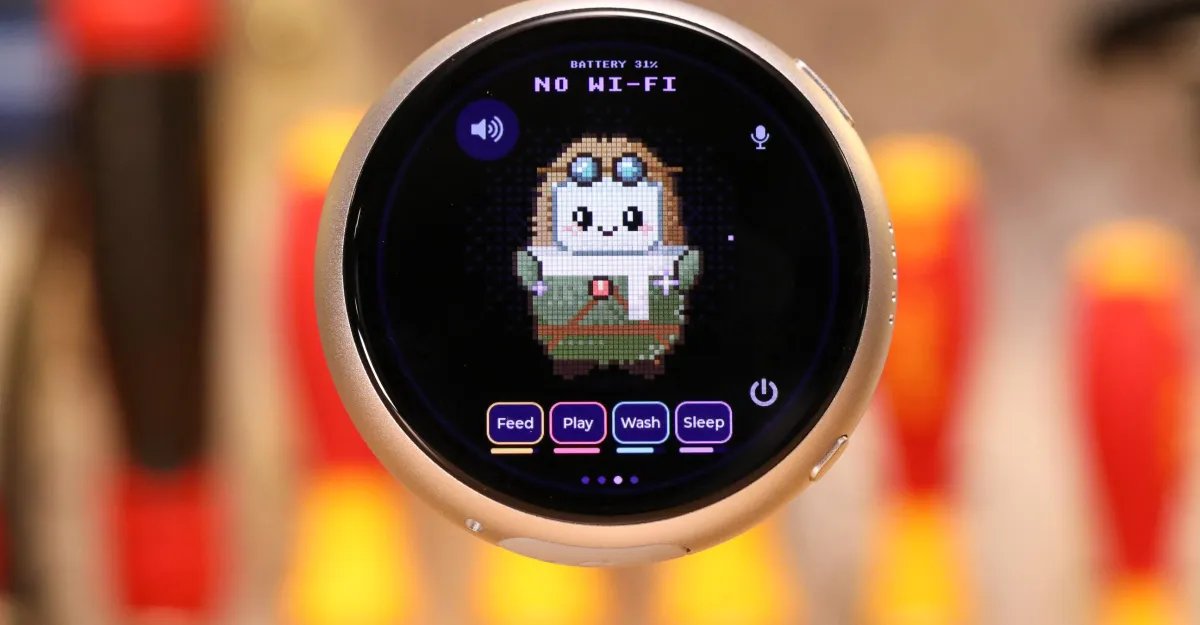
One of the most notable trends in the Muse-gadget community is the transformation of the AI into a virtual pet, reminiscent of the Tamagotchi craze. By writing custom logic into the device, users have implemented interactive avatars that require management of “needs,” such as food, rest, and hygiene. By defining specific thresholds for hunger, boredom, and cleanliness, the device encourages periodic engagement. This gamification strategy serves to make the AI interface more interactive, moving beyond standard command-and-response interactions to create a more dynamic, localized user experience that operates independently of the often-laggy cloud response times.
Security and Privacy Considerations
While the DIY approach offers significant freedom, it introduces substantial security concerns. Users running these devices are essentially managing an open, internet-connected endpoint that interacts with their personal data and smart home ecosystems. There is a documented risk of data exposure, including the potential for unauthorized access to personal location or network information. Consequently, experienced users recommend isolating these devices on guest networks to prevent them from accessing primary home infrastructure. The reliance on Meta’s cloud infrastructure for the underlying AI processing means that even with custom code, privacy remains a central challenge that the average consumer may not be equipped to mitigate.
The Future of Proprietary Versus Open Hardware
The existence of these custom projects raises a fundamental question about the future of AI wearables: Is there a legitimate need for a dedicated, closed-system device if a development kit can be modified to provide superior functionality? The primary argument for dedicated hardware is convenience and design, but for many, the value lies in the ability to tailor the device to personal preferences. If the official Muse Charm remains a “black box” that cannot be modified, it may struggle to compete with the sheer versatility of open-source development kits. As the technology matures, it remains to be seen whether manufacturers will embrace the modding community or attempt to lock down their AI ecosystems to maintain control over the user experience.
Disclaimer: This content is auto-generated for informational purposes only.
Source: Read Original News