



The current landscape for prospective PlayStation 5 buyers is fraught with challenges. While the console has maintained a dominant market position since its 2020 debut, the confluence of rising hardware costs, shifting corporate policies, and aging architecture makes the current period a difficult time to invest in Sony’s ecosystem. Potential buyers should carefully weigh the technical limitations and market trends before committing to a purchase.
PlayStation’s Discless Future is Anti-Consumer
Sony has signaled a definitive shift away from physical media, with reports indicating that the company will cease the inclusion of disc drives in future hardware starting in 2028. This move mirrors the company’s broader reduction in optical media support, underscored by the discontinuation of its dedicated 4K Blu-ray players.
For the gaming community, this transition represents a significant change in how content is owned and shared. The loss of physical discs eliminates the ability to resell games, trade titles with friends, or leverage the competitive pricing found in retail sales. While digital storefronts offer convenience, they also grant platform holders absolute control over pricing and access. As physical media fades, the PlayStation platform risks losing its historical identity as a versatile media hub—a role it championed for decades through the success of the PS2 and PS3.
No Version of the PS5 is Cheap
Contrary to historical trends where gaming consoles become more affordable as they age, the PlayStation 5 has seen its market price inflate over time. This pricing model is partially attributed to global shortages in memory and flash storage components, which have forced manufacturers to pass increased production costs to the consumer.
The fiscal reality for a new buyer is stark. The current retail prices for the PS5 disc-equipped model and the digital-only variant represent a significant markup compared to their 2020 launch prices. Furthermore, the high-performance PlayStation 5 Pro carries an even higher premium. Even outside official retail channels, the secondary market remains volatile, with resellers often demanding prices well above MSRP. These costs, combined with the necessity of purchasing optional accessories like external disc drives, mean that the total cost of ownership has increased substantially, reducing the overall value proposition of the hardware.
The PS5 Pro is Powerful, but its CPU Holds it Back
The PlayStation 5 Pro introduces impressive graphical capabilities, yet it remains anchored by a bottleneck in its central processing unit. Both the base PS5 and the Pro version utilize an AMD Zen 2 architecture. The upgrade provided by the Pro—a clock speed increase from 3.5GHz to 3.85GHz—constitutes a modest 10 percent performance improvement.
While the Pro significantly outclasses the standard model in graphical compute power—boasting 16.7 TFLOPS compared to the original 10.3 TFLOPS—the CPU limitations prevent a proportional increase in frame rates for logic-heavy titles. CPU-intensive games often require significant processing overhead to manage physics, artificial intelligence, and world simulation. Because the processor speed has not kept pace with the GPU capabilities, the Pro struggles to reach higher frame rate targets in demanding games, narrowing the perceived gap between the two consoles. Furthermore, the introduction of AI-based upscaling technologies to the base PS5 further diminishes the unique selling proposition of the Pro model.
The PS5 is Arguably the Ugliest Console Sony has Ever Made
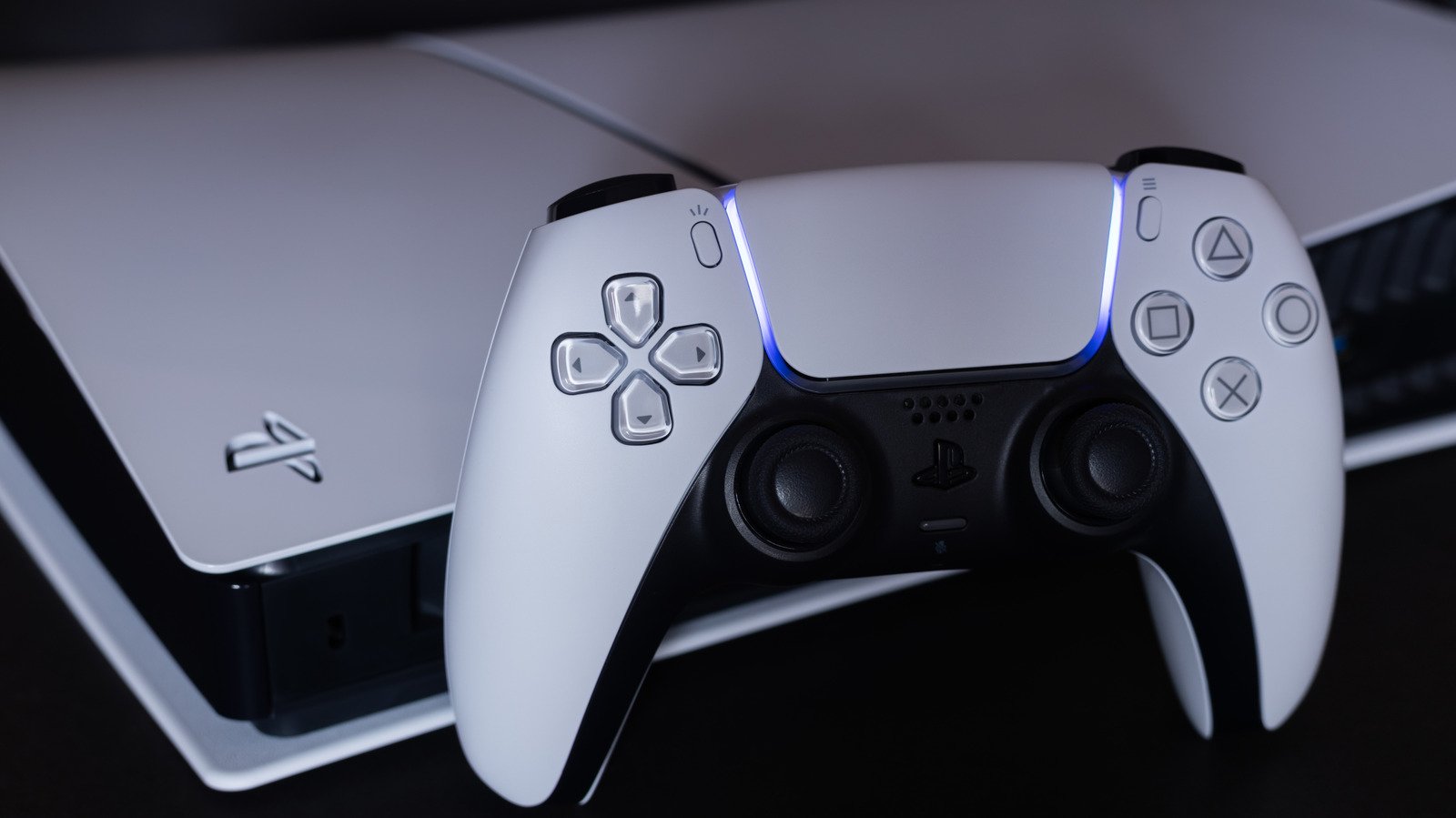
Beyond technical specifications and market strategy, industrial design remains a point of contention for many users. The PlayStation 5 series features a bold, aggressive aesthetic defined by asymmetrical panels and a large footprint. This design, while distinct, has proven difficult to integrate into standard living room furniture.
The aesthetic complexity of the chassis—particularly the protruding disc tray on the standard models—creates a bulky profile that dominates entertainment centers. Even the “Slim” variants and the Pro model retain a significant portion of this unconventional geometry. For households prioritizing interior design, the console’s large size and lack of a cohesive, minimalist look often result in it being relegated to hidden spaces or cabinets. Whether oriented horizontally or vertically, the hardware lacks the understated elegance seen in previous generations of gaming systems, serving as a jarring visual element in many home environments.
Conclusion
Investing in a PlayStation 5 at this stage requires ignoring several red flags. Between the impending obsolescence of physical media, the unexpected price increases for older hardware, the diminishing returns of the Pro model, and the divisive industrial design, the platform is currently in a state of transition. For those who can wait, monitoring the trajectory of the market through the next few years may reveal more clarity regarding the eventual shift to the next generation of hardware.
Disclaimer: This content is auto-generated for informational purposes only.
Source: Read Original News