








Delhi Paralyzed as Opposition Rallies Against Election Commission
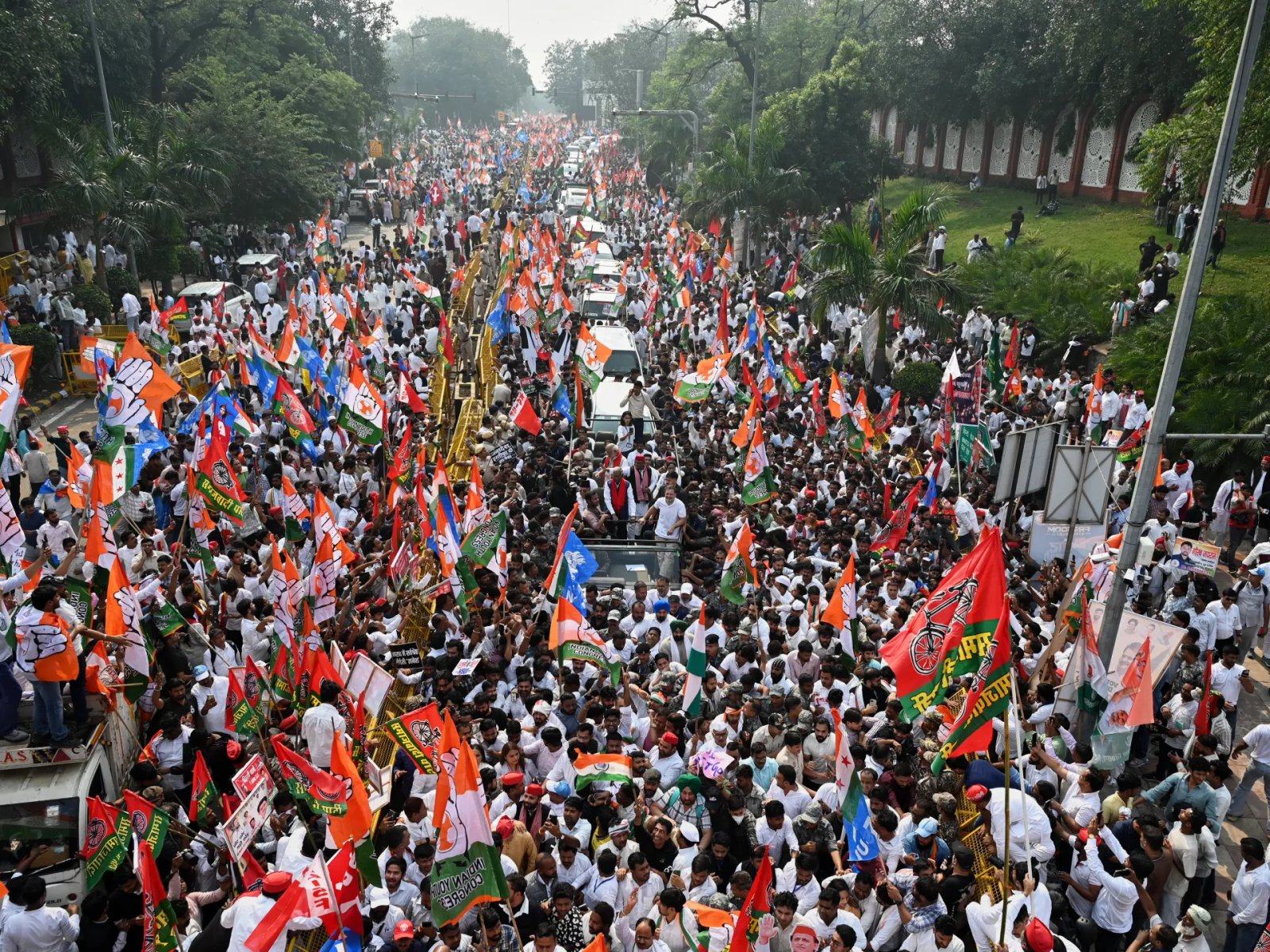
NEW DELHI – A sea of protesters flooded the streets of the national capital on Sunday, marking a significant escalation in the ongoing standoff between the political opposition and the Election Commission of India. Thousands of demonstrators converged on the historic Ramlila Maidan, demanding the immediate resignation of Chief Election Commissioner Gyanesh Kumar.
The protest, led by Indian National Congress leader Rahul Gandhi, serves as the crescendo to over a month of civil unrest sparked by sweeping revisions to national electoral rolls. Opposition leaders, supported by a coalition of student organizations and the youth-led Cockroach Janta Party, allege that the recent administrative overhaul is a thinly veiled attempt to tilt the electoral playing field in favor of Prime Minister Narendra Modi’s Bharatiya Janata Party (BJP).
Allegations of Demographic Manipulation
At the heart of the controversy is the removal of more than 130 million names from voter registries. Opposition figures claim the purge was not a routine cleanup but a targeted campaign that disproportionately impacted Muslim communities and other minority groups perceived to be non-supporters of the ruling party.
“This is not a simple administrative error; it is an assault on the fundamental rights of millions of Indian citizens,” Gandhi told the crowd from an open-top jeep, as supporters waved tricolor flags and banners calling for institutional accountability.
The Election Commission has consistently rejected these claims, characterizing the voter roll revisions as a standard, transparent process aimed at improving accuracy. Officials have stated that any eligible citizen whose name was mistakenly omitted is free to re-register through the established channels.
Security Tightens Amid Political Rhetoric
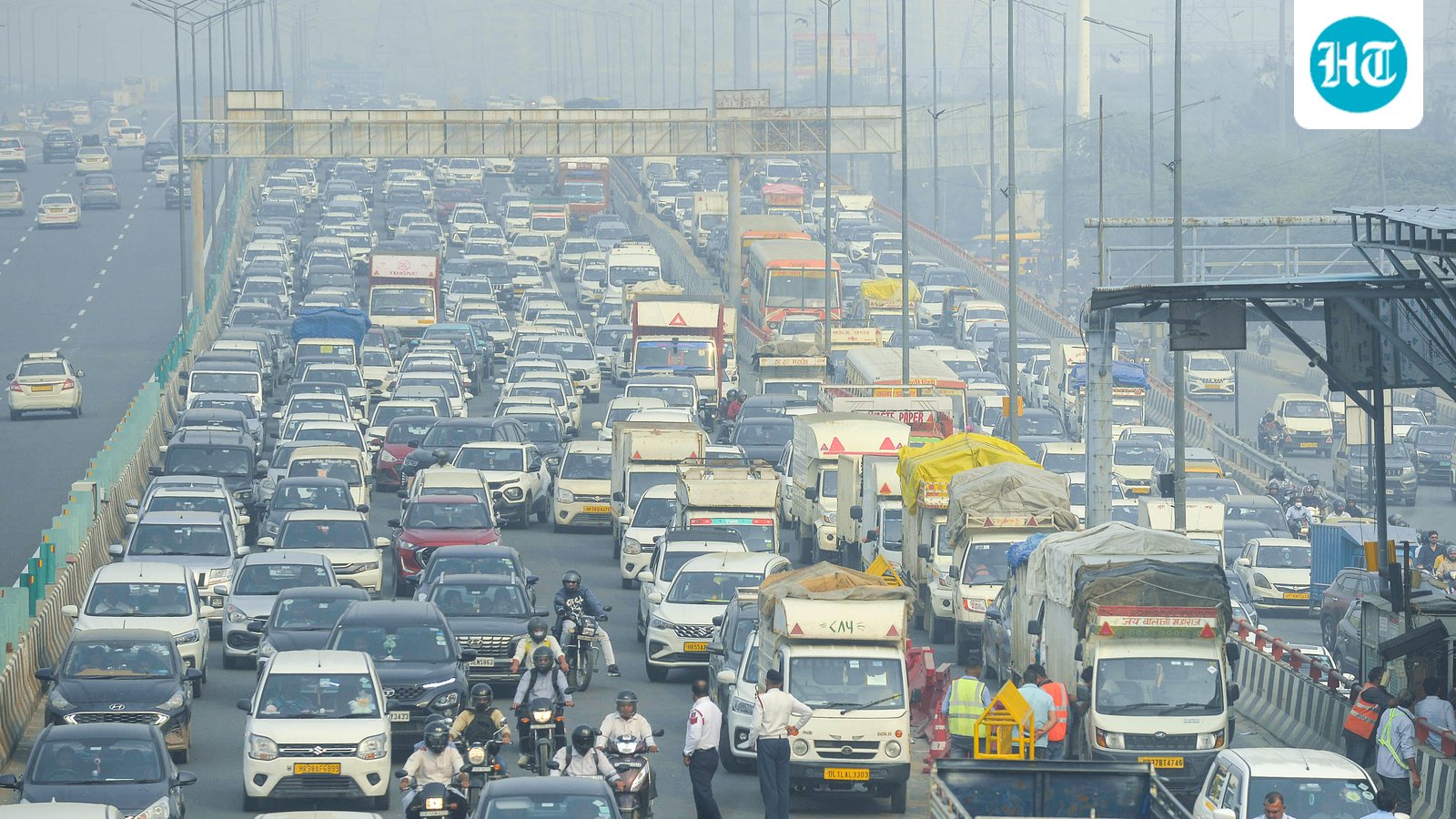
In anticipation of the mass gathering, authorities enforced heavy security measures across central New Delhi. Hundreds of police officers, equipped with riot gear, batons, and shields, formed a protective perimeter around the Ramlila Maidan. Several streets were barricaded to manage the massive influx of people, causing significant traffic disruptions throughout the city.
The government, however, remains unmoved. Union Health Minister Jagat Prakash Nadda dismissed the mass protest as a “carefully orchestrated drama.” Speaking to reporters, Nadda stated, “What is unfolding today at Ramlila Maidan is not an act of respect for democracy. It is a calculated conspiracy to plunge the nation into anarchy, all in the name of democracy.”
A Deepening Political Crisis
The unrest traces its roots back to late September, when internal dissent surfaced within the Election Commission itself. Reports that two of Commissioner Kumar’s deputies had raised formal objections regarding the integrity of the digital registration systems provided the initial momentum for the protest movement.
Political analysts are observing the situation with intense scrutiny, with many describing the current climate as the most significant challenge to Prime Minister Modi’s authority since he ascended to power in 2014. With the next general election scheduled for 2029, the opposition is clearly signaling that it intends to make the independence and transparency of election machinery a central pillar of its political strategy.
As the sun set on the rally, the atmosphere remained tense. While the immediate demonstration concluded without major reports of violence, the persistence of the protests suggests that the rift between the government and the opposition is deepening, leaving the nation’s democratic institutions under a persistent, public spotlight.
Disclaimer: This content is auto-generated for informational purposes only.
Source: Read Original News