








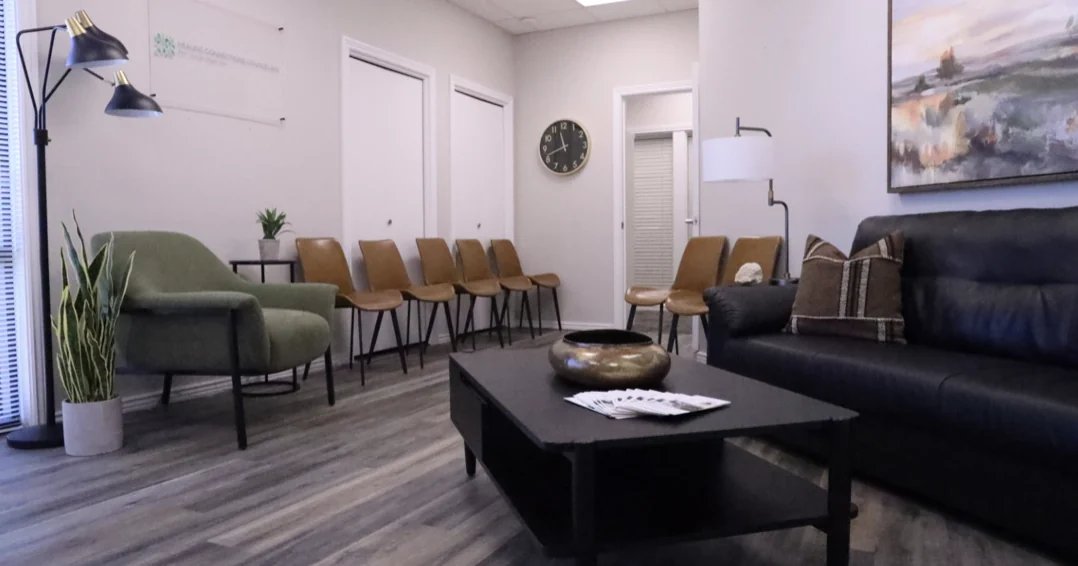
Healing Connections Counseling has recently completed a comprehensive redesign of its professional office space, aiming to foster a more intentional and therapeutic environment for its clientele. By integrating principles of environmental psychology and biophilic design, the practice seeks to enhance the efficacy of its mental health services through the strategic manipulation of the physical workspace.
The renovation effort reflects an increasing trend in healthcare architecture where the physical surroundings are viewed as an active component of the treatment process. Research in environmental psychology consistently suggests that lighting, color palettes, acoustic privacy, and the presence of natural elements can significantly influence a patient’s stress levels and emotional regulation. For individuals seeking counseling, the clinical environment often sets the stage for the therapeutic alliance, serving as the first point of contact for nervous system regulation upon entry.
“The objective was to move away from the traditional, sterile clinical aesthetic that can often feel intimidating or impersonal,” said a representative from the practice. “By prioritizing soft textures, adjustable ambient lighting, and natural materials, we aim to provide a ‘third space’—an environment that is neither home nor a cold office, but a neutral, safe sanctuary designed specifically for psychological work.”
The redesign incorporates several key environmental features intended to mitigate anxiety. Central to this approach is the use of biophilic elements—the inclusion of indoor greenery and organic wood finishes. Studies have shown that exposure to nature-based cues, even within indoor settings, can reduce cortisol levels and blood pressure. By softening the edges of the room and introducing organic forms, the practice hopes to create a grounding effect that helps clients remain present and focused during sessions.
Sound management was another critical priority during the redesign. In therapeutic settings, privacy is the cornerstone of trust. The office has been retrofitted with advanced acoustic dampening materials and white-noise technology to ensure that sessions remain strictly confidential. This auditory privacy is essential for fostering the vulnerability required for effective psychotherapy. By eliminating the fear of being overheard, the practice ensures that clients feel free to speak openly about sensitive subjects, which is fundamental to the healing process.
Furthermore, the lighting strategy was overhauled to favor circadian-friendly solutions. Rather than relying solely on harsh overhead fluorescent fixtures, which have been linked to increased sensory fatigue and agitation, the new design utilizes layered, warm-spectrum LED lighting. This flexibility allows therapists to adjust the illumination based on the specific needs of the session, whether that involves high-energy therapeutic work or more grounded, reflective practices.
The color palette of the redesigned space also utilizes muted, earth-toned hues intended to evoke stability and calm. According to color psychology, these neutral palettes are less stimulating than high-contrast environments, reducing cognitive load and allowing the client to direct their mental energy toward self-exploration rather than external stimuli.
As mental health awareness continues to grow, the infrastructure of clinics is increasingly scrutinized for its role in client outcomes. Healing Connections Counseling’s transition demonstrates a proactive commitment to evidence-based practice, acknowledging that the therapeutic environment is not merely a background for the session, but a primary tool in helping clients navigate the complexities of their mental health.
This renovation marks a shift in how outpatient facilities prioritize the sensory experience of their patients. By investing in a space that actively promotes comfort and security, the practice aims to reduce the barriers to entry for individuals who may feel overwhelmed by traditional medical settings. As the industry evolves, the integration of these therapeutic architectural elements is likely to become a standard expectation for providers aiming to deliver high-quality, comprehensive mental healthcare.
Disclaimer: This content is auto-generated for informational purposes only.
Source: Read Original News