








BERLIN — German political leaders are grappling with the fallout from a wave of unrest that swept across major cities on Saturday, as peaceful demonstrations organized by the youth movement “GenZ regelt!” (Gen Z has got this!) were overshadowed by outbreaks of looting and violence.
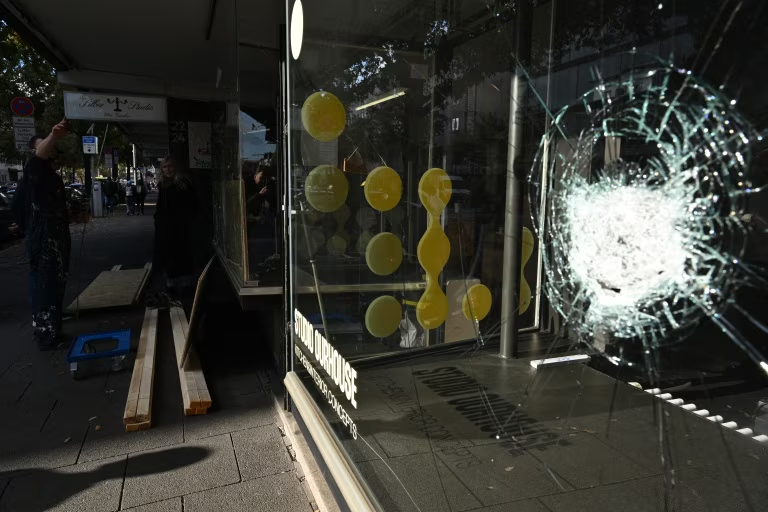
Tens of thousands of young people had gathered in cities including Berlin, Cologne, Hamburg, and Frankfurt to voice demands regarding the cost of living, education funding, and government budget cuts. However, the rallies took a dark turn on their margins, as masked rioters engaged in vandalism, looting local shops and clashing with law enforcement. In some instances, police were forced to deploy water cannons to disperse agitators who hurled Molotov cocktails at officers.
The violence has triggered a swift and sharp rebuke from across the political spectrum. Boris Rhein, the minister-president of Hesse, took to social media platform X to label the acts “totally unacceptable.”
Inside the government, Interior Minister Alexander Dobrindt offered a pointed assessment of the perpetrators. Speaking to the Bild daily, Dobrindt blamed the unrest on “leftist groups inclined to violence and troublemakers from migrant communities.” While he noted that the scale of the destruction did not reach the intensity of recent riots in Paris, he stressed that the behavior remained a serious breach of public order.
The AfD (Alternative for Germany) party echoed these sentiments, seizing the moment to call for stricter policies, specifically pointing to “left-wing extremism” and what they termed “uncontrolled migration” as the root causes of the disturbances.
Despite the condemnation, mainstream political figures urged the public to distinguish between the violent minority and the broader youth movement. Ines Schwerdtner, head of the far-left Die Linke party, emphasized that the underlying message of the protests remains valid regardless of the behavior of a few. “The demands made by those demonstrating peacefully will not disappear because small angry groups followed up with acts of vandalism,” she told the Rheinische Post.
Franziska Brantner, co-head of the Greens, agreed, stating that the violence ultimately “harmed the legitimate cause of many people who demonstrated peacefully.”
The “GenZ regelt!” movement, which draws inspiration from similar youth-led protests in France and Italy, addressed the events cautiously. While the group did not issue a formal apology for the rioting, they affirmed their commitment to their original mission, which focuses on addressing economic disparities facing the younger generation.
Defying the backlash, the organizers declared on their website that Saturday’s protests were “just the start.” The group has already called for a fresh wave of demonstrations to take place on November 14, setting the stage for a potentially volatile autumn as Germany’s political establishment navigates the intensifying demands of its youth.
Disclaimer: This content is auto-generated for informational purposes only.
Source: Read Original News