









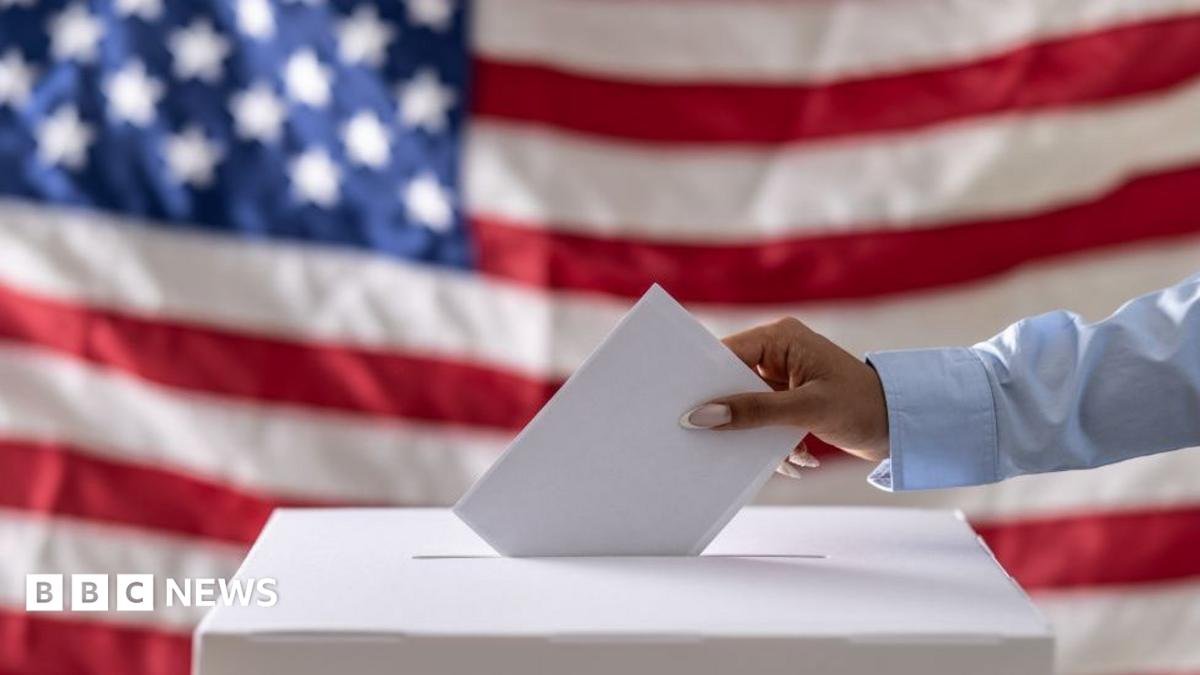
WASHINGTON — As American voters head to the polls this Tuesday, the Democratic Party is bracing for what many analysts describe as a potential watershed moment in US politics. Buoyed by months of favorable polling, a wave of economic dissatisfaction, and the historically low approval ratings of the incumbent Republican president, Democrats are projecting confidence as they push for a sweeping takeover of Congress.
The electoral landscape appears tilted in their favor. To secure control of the House of Representatives, the party needs to flip 218 seats, a threshold that current polling suggests is well within their reach. Meanwhile, the battle for the Senate—the chamber that holds the keys to judicial appointments and legislative confirmation—remains a knife-edge affair, with Democrats holding narrow leads or finding themselves in statistical dead heats in once-impenetrable Republican strongholds.
Perhaps most striking is the erosion of the GOP’s traditional base. A recent New York Times survey placed the Senate race in South Carolina—a state Donald Trump carried by an 18-point margin just years ago—in a dead heat. Similarly, CNN polling indicates that Democratic candidates are either leading or locked in fierce competition in traditionally deep-red states like Texas, Kansas, and Maine.
However, beneath this veneer of Democratic optimism lies a profound and pervasive skepticism regarding the accuracy of polling data. Recent US political history serves as a sobering reminder of how public opinion surveys can fail to capture the nuances of an unpredictable electorate. The shadow of 2016 and 2024 looms large, as Donald Trump consistently defied pollsters to secure unexpected victories. Even in 2020, while the outcome eventually favored Joe Biden, the margins by which he won were significantly narrower than many reputable national surveys had forecast.
This “polling anxiety” is further compounded by localized upsets that have rattled party strategists throughout the year. In Michigan’s Democratic Senate primary, for example, expectations of a double-digit blowout for Abdul El-Sayed evaporated overnight, resulting in a razor-thin victory of just one percent. A similar phenomenon occurred in Wisconsin’s gubernatorial primary, where a candidate polling with a 20-point advantage suffered a stunning defeat by the smallest of margins.
These discrepancies have led to a cautious atmosphere at Democratic headquarters. While the data suggests a tidal wave of momentum, the party is acutely aware that electoral math is rarely as linear as the charts suggest. For Democrats, Tuesday represents not just an opportunity to capitalize on public frustration over rising food and energy costs, but a high-stakes test of whether they can overcome the “hidden vote” phenomenon that has upended US elections in recent years. As the polls open nationwide, the question remains: are the surveys tracking a genuine shift in power, or are they once again missing the pulse of the American public?
Disclaimer: This content is auto-generated for informational purposes only.
Source: Read Original News