









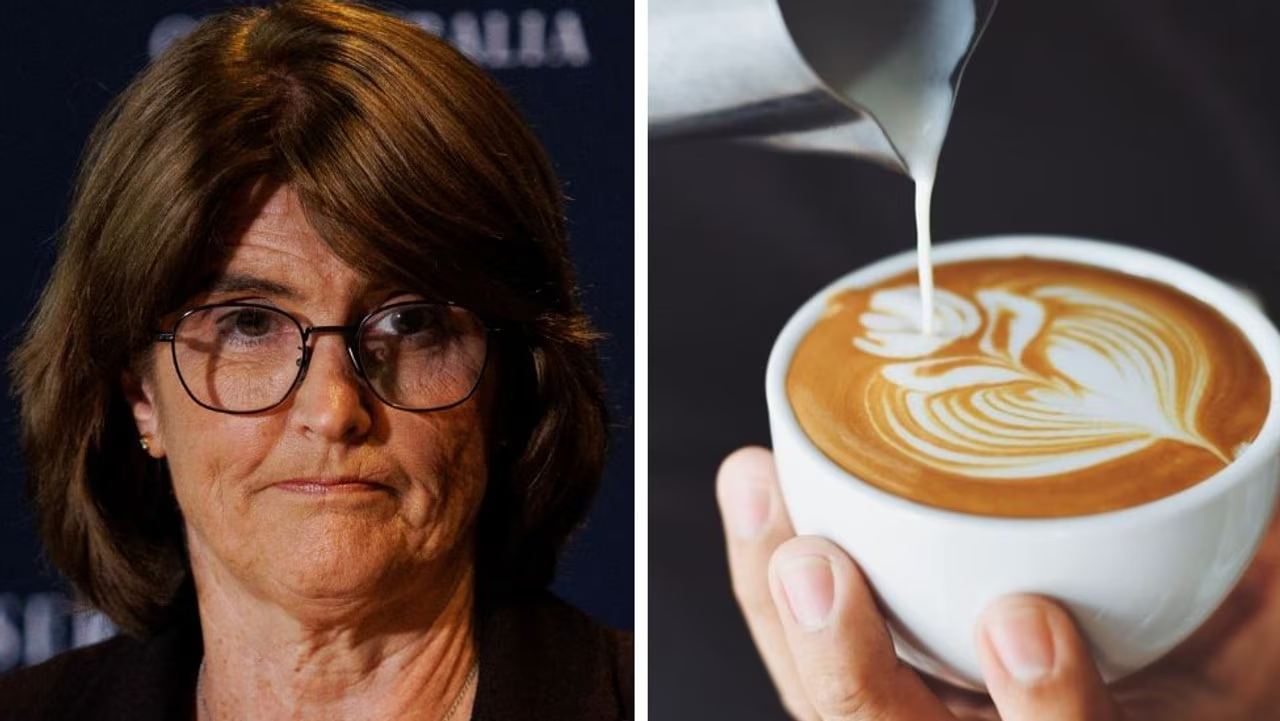
The Reserve Bank of Australia’s (RBA) October 1 mandate to eliminate credit and debit card surcharges was intended to streamline the payment landscape and offer relief to consumers who previously faced an estimated $1.6 billion in combined transaction fees. However, a new study suggests that instead of saving money, the policy may be triggering a wave of “inflationary catch-up” in the hospitality sector.
Data from the price-tracking platform SmallFlatWhite.com reveals that one in five Australian cafes increased their prices in October alone. This represents a surge in price adjustments occurring at roughly three times the rate observed over the preceding five months. For consumers expecting lower out-of-pocket costs, the reality has been an increase in menu pricing that in some cases significantly outpaces the surcharge fees they were previously paying.
The “Tipping Point” for Small Business
Industry analysts suggest that the surcharge ban served as a final “tipping point” for small businesses already straining under the weight of rising supply chain costs and thinning margins. While government officials aimed to protect customers, many venue operators have opted to bake transaction costs into their advertised prices rather than absorb them.
Chris Drake, the founder of SmallFlatWhite.com, notes that because suppliers are also increasing their prices, businesses are facing a compounding effect. “It’s not just the card fees,” Drake explained. “It’s a broader environment where businesses are being forced to pass on costs across the board to remain viable.”
For the average consumer, this translates to a small flat white now costing roughly $5.16, up from $5.01 earlier this year. Price hikes have been particularly notable in cities like Brisbane and Melbourne, where competition for thin margins remains fierce.
Analyzing the Market Impact via Data
While the headline figure of 20% of cafes raising prices sounds alarming, transaction data from payment provider Tyro offers a broader, more nuanced perspective. Their analysis suggests that nearly 90% of providers have maintained their current pricing structures since the ban came into effect. According to Tyro CEO Nigel Lee, the instances of businesses raising prices by three times the amount of the previous surcharge are relatively rare, representing only about 7.6% of the venues that previously applied fees.
This data highlights a critical challenge for modern retail analytics: the difficulty in distinguishing between price hikes caused by regulatory shifts and those driven by organic inflation or localized competition. As platforms continue to leverage AI-driven analytics to scan millions of menu items, the industry is gaining a more granular understanding of how consumer habits shift in response to both physical and digital price changes.
Regulatory Friction and the ATO Backflip
The implementation of the ban was not without bureaucratic controversy. The Australian Taxation Office (ATO) initially announced it would stop accepting credit cards to avoid paying merchant fees, drawing sharp criticism from business owners who argued the government was displaying a double standard.
The move prompted a significant public and political backlash, culminating in an intervention by Treasurer Jim Chalmers. ATO Commissioner Rob Heferen later admitted at a senate estimates hearing that the agency had “jumped to conclusions” regarding the impact on businesses. The subsequent delay of the ATO’s policy shift highlights the delicate balance between government efficiency and the practical realities of small business cash flow.
As Australia moves deeper into this new payment era, stakeholders are watching closely to see if the “January or February effect”—a predicted period where most remaining cafes will finally adjust their menus—materializes. For now, the transition serves as a stark reminder that in a high-cost economy, mandated fee removals often yield unexpected price realignments rather than instant consumer savings.
Disclaimer: This content is auto-generated for informational purposes only.
Source: Read Original News