








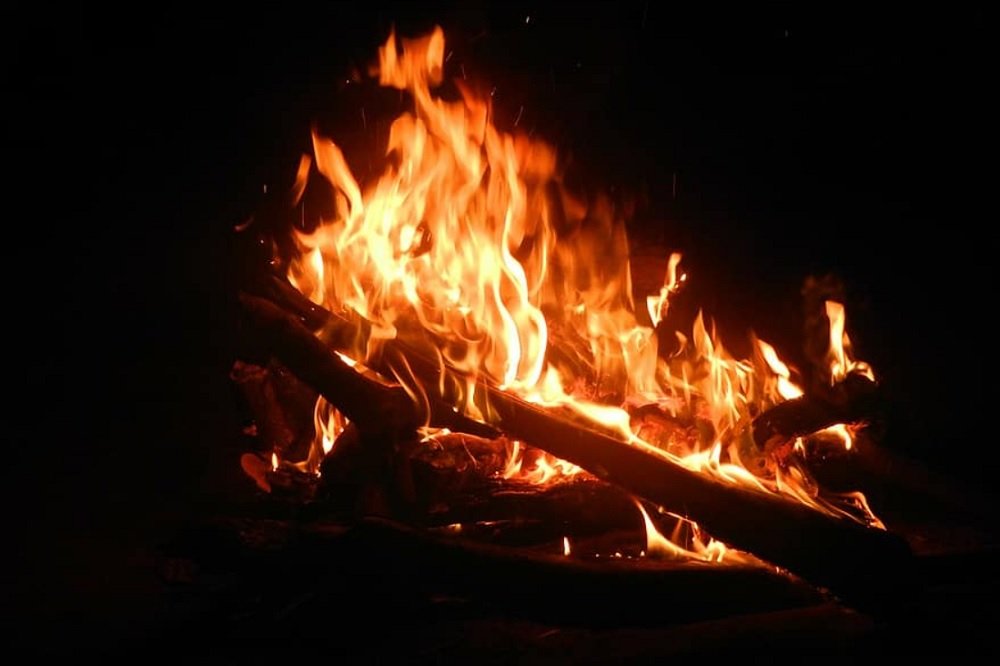
As the season of community gatherings and autumn festivities approaches, Natural Resources Wales (NRW) is issuing a timely reminder to the public regarding the environmental and safety responsibilities associated with hosting bonfires. While the tradition of gathering around a fire remains a staple of the season, officials are stressing that irresponsible burning can lead to significant ecological and health consequences.
The core of the NRW’s guidance focuses on the chemical composition of what ends up on the fire. It has become a common, yet hazardous, habit for some to use garden bonfires as a convenient method for disposing of household rubbish. Items such as old furniture, mattresses, plastics, rubber, and treated or painted wood are frequently added to piles. When incinerated in an open bonfire, these materials do not combust cleanly; instead, they release a cocktail of harmful pollutants and toxic gases into the atmosphere.
These emissions do not merely dissipate harmlessly. They significantly degrade local air quality, posing a tangible risk to human health, particularly for those with pre-existing respiratory conditions. Furthermore, the residue left behind—such as ash contaminated by chemical treatments—can seep into the soil, causing long-term damage to the land where the fire was lit.
“We know that the vast majority of people enjoy Bonfire Night responsibly, and we are not seeking to spoil anyone’s celebrations,” said Edward Davies, Team Leader of Industry & Waste Regulation at NRW. “However, we are encouraging anyone planning a bonfire in the coming weeks to consider the impact that burning waste can have on the environment, local communities, and wildlife.”
To mitigate these risks, the NRW advises that bonfires should be restricted to clean, dry, untreated wood and small amounts of garden waste. For larger household items, the organization emphasizes the importance of the legal “duty of care” that every citizen holds. Residents are urged to utilize local recycling centers or professional bulky waste collection services rather than resorting to burning. Beyond simple disposal, the NRW encourages a “circular” mindset: evaluating whether an item can be repaired, repurposed, or donated before it is discarded, thereby reducing the overall waste burden.
Beyond the impact on air quality, there is an immediate, often overlooked threat to biodiversity. As temperatures drop, piles of wood and garden debris become highly attractive shelters for small mammals, most notably hedgehogs. These creatures often seek out the hollows within a stacked pile for hibernation or warmth. The NRW strongly urges organizers to build their bonfires as close to the time of lighting as possible to prevent wildlife from moving in. If a pile has been standing for several days, it is imperative to conduct a thorough physical check of the structure to ensure no animals are trapped inside before the match is struck.
The guidance is clear: a responsible approach to a bonfire involves mindfulness—consideration for neighbors who may be affected by smoke and soot, respect for the local environment, and care for the creatures that share our landscapes. By adhering to these simple practices, the public can continue to enjoy seasonal traditions while minimizing their footprint on the Welsh environment. For those looking for further information on waste disposal and regulatory guidance, comprehensive resources are available on the Natural Resources Wales website.
Disclaimer: This content is auto-generated for informational purposes only.
Source: Read Original News